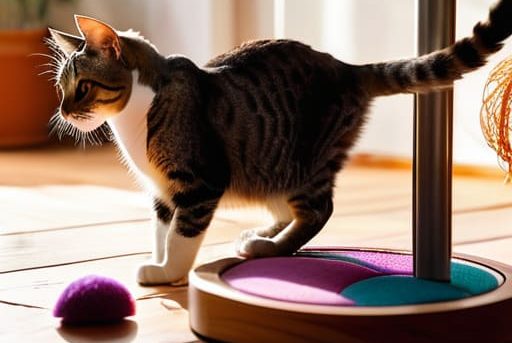
I’ve spent three decades watching people pour two hundred dollars into “smart” electronic cat toys that end up as expensive dust collectors under the sofa within a week. Every time I see a “complete guide to indoor cat enrichment” online, it’s usually a list of overpriced gadgets designed by people who have never actually had to clean cat vomit out of a high-pile rug. If you think a motorized laser pointer is going to solve your cat’s lethargy or behavioral issues, you’re not just wasting money; you’re ignoring the actual biological needs of the animal. Enrichment isn’t about buying shiny things; it’s about simulating the hunt and providing vertical security.
I’m not here to sell you a subscription box or a designer scratching post. What I am going to give you is a practical, no-nonsense breakdown of what actually works for a cat’s brain, from the perspective of someone who has seen exactly how boredom turns into chronic stress and medical issues. I’ll tell you what you can build for free with a cardboard box and what is actually worth your hard-earned cash, so you can stop guessing and start actually engaging with your pet.
Table of Contents
- Mental Stimulation for Indoor Cats Is It Play or Despair
- Sensory Stimulation for Cats Beyond the Basic Feather Wand
- The Enrichment Reality Check: Five Ways to Stop Managing Boredom and Start Meeting Needs
- The Bottom Line on Enrichment
- ## The Cost of a Bored Cat
- The Bottom Line
- Frequently Asked Questions
Mental Stimulation for Indoor Cats Is It Play or Despair

I’ve sat in exam rooms with owners who are convinced their cat is just “lazy” or “going through a phase,” only to find out the cat has been living in a state of chronic, low-grade depression. There is a massive difference between a cat that naps sixteen hours a day because they’re a senior, and a cat that is staring blankly at a wall because they have zero mental stimulation for indoor cats. When a cat loses interest in their favorite treats or stops investigating the window, that isn’t just a personality quirk; it’s often a sign of profound boredom that can manifest as physical illness.
If you want to fix it, you can’t just toss a ball across the floor once a week. You need actual interactive play techniques—think wand toys that mimic the erratic movement of a bird or a mouse—to trigger that predatory drive. If they aren’t hunting, they aren’t living. I’ve seen cats develop urinary issues and skin infections simply because their stress levels spiked from a lack of engagement. You aren’t just “playing” with them; you are providing the neurological input they need to stay physically stable.
Sensory Stimulation for Cats Beyond the Basic Feather Wand
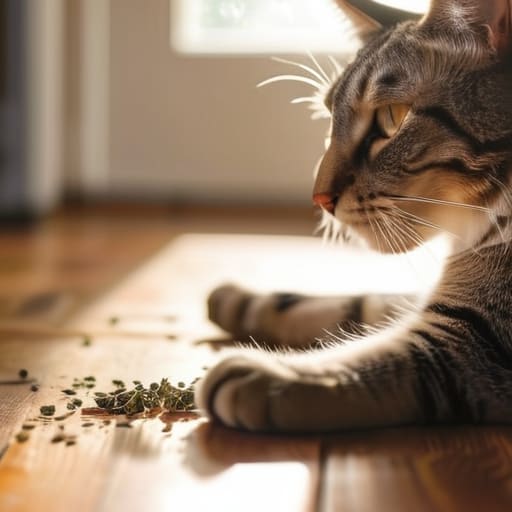
Most people think sensory stimulation for cats is just a pile of crinkle balls and a laser pointer, but after thirty years of seeing cats with stress-induced cystitis or obsessive over-grooming, I can tell you it goes deeper than that. If your cat is constantly pacing or staring at the same corner, they aren’t just “being a cat”—they are likely under-stimulated. You need to engage their nose and their ears, not just their eyes. I’ve seen more success with a simple silvervine stick or a bit of high-quality catnip than with a hundred-dollar electronic toy.
Don’t overlook the vertical aspect of feline environmental enrichment either. A cat that can’t climb is a cat that feels vulnerable. You don’t need a floor-to-ceiling cat tree that costs three hundred dollars; even a sturdy, cleared-off bookshelf can provide a much-needed vantage point. Also, stop ignoring the scratching post. A proper scratching post isn’t just a furniture saver; it’s a way for them to mark territory and stretch their muscles. If they’re shredding your sofa instead, it’s because your current setup is either too small or too flimsy to satisfy their instinct.
The Enrichment Reality Check: Five Ways to Stop Managing Boredom and Start Meeting Needs
- Stop buying those $40 “automated” laser toys that just spin in circles; most cats find them frustrating because they can never actually “catch” the light. If you want real engagement, get a cheap wand toy and learn to move it like a wounded mouse—erratic, quick, then still—rather than just waving it in their face like a windshield wiper.
- Vertical space isn’t just a luxury for “aesthetic” Instagram cats; it’s a survival necessity for an indoor predator. If your cat is constantly pacing the floor or hiding under the sofa, they likely feel exposed. A sturdy cat tree or even a cleared-off bookshelf allows them to monitor their “territory” from above, which lowers cortisol levels significantly.
- Food is the best enrichment tool you have, but stop using a bowl for everything. In a clinical setting, we see how much stress a sedentary lifestyle causes, and “foraging” mimics their natural hunting cycle. Use puzzle feeders or even just hide small amounts of kibble around the house. It forces them to use their brain and their nose, rather than just inhaling a meal in thirty seconds.
- Watch the “zoomies” closely. There is a massive difference between a healthy 10:00 PM sprint and the frantic, dilated-pupil pacing that signals hyperesthesia or neurological distress. If the “play” looks more like a frantic attempt to escape their own skin, stop trying to enrich them and start booking a vet appointment.
- Don’t neglect the “scent landscape.” Cats live through their noses more than their eyes. Bringing in a safe piece of dried catnip or even a cardboard box that smells like the outdoors can provide more mental stimulation than a dozen plastic balls. Just don’t go overboard with the catnip—some cats just get aggressive, and that’s a sign you need to dial it back.
The Bottom Line on Enrichment
Enrichment isn’t just about buying expensive towers; it’s about preventing the behavioral “acting out” that leads to expensive vet visits for urinary issues or stress-induced aggression.
If your cat stops engaging with even the most high-value toys, stop looking for a new gadget and start looking for a medical issue—boredom doesn’t look like lethargy.
You don’t need a massive budget to keep a cat’s mind sharp, but you do need consistency; five minutes of active play a day is worth more than a $200 cat tree that sits unused in the corner.
## The Cost of a Bored Cat
“People think enrichment is a luxury, like buying a designer scratching post or a motorized mouse, but it isn’t. When a cat is under-stimulated, they don’t just get ‘bored’—they develop urinary crystals from stress, they tear up your sofa, or they start self-mutilating. You can spend twenty dollars on a window perch or zero dollars by just moving a cardboard box, but you will spend thousands of dollars at the emergency clinic if you mistake a depressed, shut-down cat for a ‘lazy’ one.”
Marlene Ostrowski
The Bottom Line
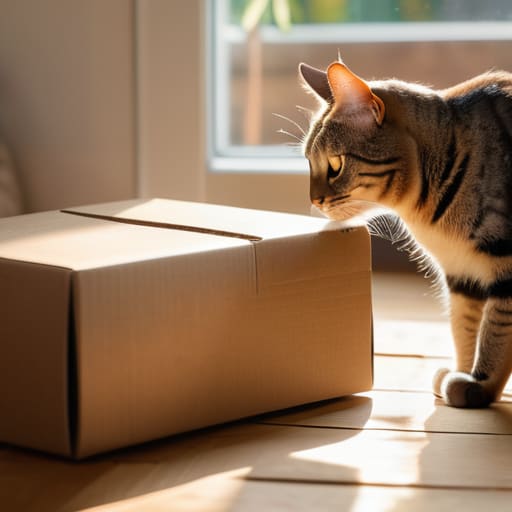
At the end of the day, enrichment isn’t about buying every expensive, motorized gadget on the pet store website. I’ve seen plenty of people drop two hundred dollars on a “smart” cat tree only to watch their cat ignore it in favor of the cardboard box it came in. Real enrichment is about the intentionality of your environment—mixing high-intensity play sessions with quiet sensory windows and, most importantly, monitoring the results. If you’ve introduced new puzzles and scent work but your cat is still hiding under the sofa or losing interest in food, you aren’t dealing with a “bored” cat; you’re likely dealing with a medical issue like hyperthyroidism or arthritis that no amount of catnip can fix. Watch the behavior, not just the toy.
I know it feels like a lot of extra work when you’re already tired from a long day, but your cat’s mental health is inextricably linked to their physical longevity. You don’t need to be a professional trainer to make a difference; you just need to be observant. Whether it’s five minutes of chasing a string or simply moving their food bowl to a new spot to engage their nose, these small shifts prevent the slow decline of cognitive function that I saw so often in my senior patients. You are their entire world, and providing a life that actually challenges them is the best way to thank them for the companionship they give you.
Frequently Asked Questions
My cat has stopped playing entirely and just stares at the window; is that a lack of enrichment or am I looking at a medical issue like hyperthyroidism or arthritis?
Look, staring at a window isn’t necessarily a crisis, but “stopped playing entirely” is a massive red flag. If he used to chase the red dot and now won’t even twitch a whisker, we aren’t talking about boredom; we’re talking about pain or metabolic shifts. Hyperthyroidism can make them hyper, but it can also make them crash, and arthritis will make them avoid any movement that hurts. Get him to the vet. Don’t wait for Monday.
How much should I actually budget for a decent setup—can I DIY most of this, or am I wasting money on cheap plastic toys that end up in the trash?
Look, don’t waste your money on those $2 plastic mice that disintegrate in ten minutes; you’re just buying landfill. For a solid setup, budget about $150 to $200. That covers a decent scratching post, some high-quality silvervine sticks, and a window perch. You can DIY a lot—cardboard boxes are better than most expensive toys—but don’t skimp on the heavy-duty stuff. If it’s cheap and flimsy, they won’t use it, and you’ve wasted the cash.
If I start introducing high-intensity play or new climbing structures, how do I know if I'm actually stimulating them or just stressing out a senior cat with joint pain?
Look for the “post-play slump.” If they hunt, pounce, and then groom themselves or nap peacefully, you’ve hit the sweet spot. But if they hide, over-groom, or show a sudden lack of appetite, you’re pushing them too hard. With seniors, watch their gait. If they’re hesitating before a jump or limping after a session, that’s not “tiredness”—that’s inflammation. Scale back the height, keep the sessions under five minutes, and focus on ground-level movement.