I’ve spent three decades cleaning up after animals, and if there is one thing that makes my blood boil, it’s the way the internet tries to turn a simple biological process into a $200 science experiment. You don’t need a “smart” self-cleaning box that costs as much as a used car, and you certainly don’t need a specialized pheromone spray that smells like a department store perfume counter. Most people fail at how to litter train a cat because they are following expensive, complicated advice from people who have never actually had to scrub urine out of a baseboard at two in the morning.
I’m not here to sell you a lifestyle brand or a subscription to a miracle cleaning kit. I’m going to tell you the unvarnished truth about what actually works, based on what I saw in the exam rooms and what I’ve had to manage in my own house with my senior rescues. We are going to talk about the right grit, the right number of boxes, and—most importantly—how to tell the difference between a stubborn kitten and a cat that is actually trying to tell you something is wrong medically.
Table of Contents
Kitten Potty Training Steps That Actually Work
First, let’s get one thing straight: kittens don’t “rebel” by peeing on your rug; they are simply following their instincts or responding to a bad setup. When I was working the floor, I saw so many owners blaming a kitten’s personality when the real culprit was a poorly placed box. Your first step in kitten potty training steps is location. You need a spot that is quiet, low-traffic, and—this is the part people miss—away from their food and water bowls. A kitten won’t want to eat where they eliminate, and if you force them to choose between a meal and a bathroom, they’ll choose the rug every time.
Next, you have to get the substrate right. I’ve seen people spend a fortune on scented, clumping crystals that actually irritate a kitten’s sensitive nose. If you’re struggling with why is my cat urinating outside the box, try switching to an unscented, fine-grain clay. It mimics the texture of natural soil, which is what they’re looking for. If an accident does happen, don’t just scrub it with soap; you need an enzymatic cleaner for cleaning cat accidents effectively. If you don’t break down those proteins, the scent stays there, and the kitten will think that spot is just another designated bathroom.
Choosing the Best Types of Cat Litter for Training
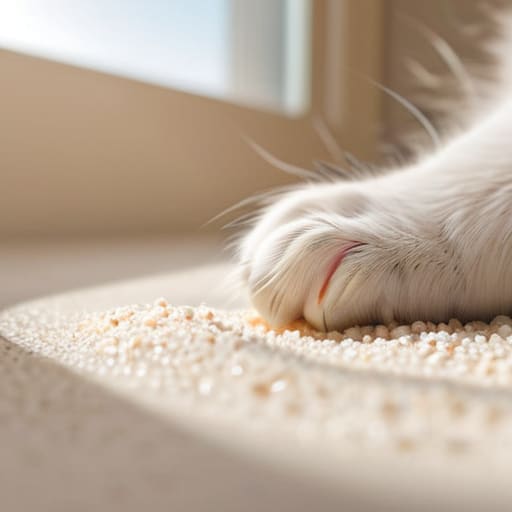
When you’re in the middle of kitten potty training steps, you’ll realize quickly that not all litters are created equal. Most people grab whatever is on sale at the grocery store, but if you’re trying to teach a tiny creature where the bathroom is, texture matters more than price. Kittens have sensitive paws and even more sensitive noses. I’ve seen far too many owners wonder why is my cat urinating outside the box only to realize they bought a heavy, scented clay litter that smells like a chemical factory to the animal. If it smells like “Spring Meadow” to you, it probably smells like a warning sign to them.
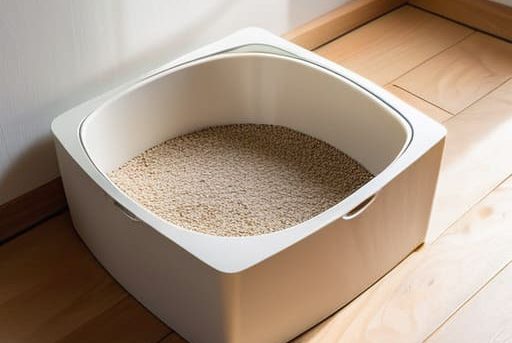
For training, I always recommend a fine-grained, unscented clumping litter. It mimics the feel of natural sand, which is what they’re biologically wired to seek out. Avoid the big, coarse crystals for now; they’re uncomfortable on small paws and can actually discourage a kitten from stepping in. If you end up dealing with a mess, remember that cleaning cat accidents effectively means more than just a paper towel. You need an enzymatic cleaner to break down the proteins, otherwise, that spot will forever be a “designated bathroom” in their mind.
Five Rules for When the Litter Box Fails
- Stop the “cleaning with bleach” reflex. I know it feels like you’re being hygienic, but to a cat, that smell is a chemical siren that says “this is a bathroom.” Use an enzymatic cleaner—the kind that actually breaks down the proteins—or you’ll just be masking a scent they can still smell perfectly well.
- Watch the “straining” vs. “splatting” distinction. If you see your cat going to the box, squatting, and nothing comes out, or if they are crying while they do it, you aren’t dealing with a training issue; you’re dealing with a potential urinary blockage. That is a $1,500+ emergency vet visit happening right now, not a “wait until Monday” problem.
- Location is everything, and “convenience” is a lie. You might think a box in a dark corner of the basement is fine, but if your cat feels trapped there, they won’t use it. If you have a multi-story house, you need a box on every level. A cat’s bladder doesn’t care that you don’t want to carry litter up the stairs.
- The math of the box count. The industry standard is N+1. If you have two cats, you need three boxes. I’ve seen people try to save space with one box for three cats, and all they end up with is a house that smells like an ammonia plant and a very stressed-out feline.
- Don’t punish the accident. I’ve seen owners try to rub a cat’s nose in it or yell, and all that does is teach the cat that you are unpredictable and scary. If they’re peeing outside the box, they’re either telling you the box is dirty, the litter is hurting their paws, or their body is failing them. Treat the symptom, don’t attack the animal.
The Bottom Line on Litter Training
If your cat is suddenly avoiding the box or straining, you need to figure out if it’s a behavioral quirk or a urinary blockage—and if it’s the latter, you don’t wait until Monday, you go to the vet tonight.
Don’t waste money on expensive “training” additives or scented litters that just mask problems; focus on consistency, cleanliness, and choosing a texture your cat actually finds tolerable.
Most “accidents” aren’t acts of defiance, they are signals—either the box is dirty, the location is wrong, or something is physically hurting them when they try to go.
The Difference Between a Mess and a Medical Crisis
When a cat stops using the box, your first instinct is to blame their attitude or a dirty litter tray, but after thirty years of cleaning up after them, I can tell you that a sudden change in where they go is rarely about spite—it’s usually a cry for help, and if they’re straining and nothing is coming out, you stop looking for training tips and start looking for your car keys.
Marlene Ostrowski
When the Training Hits a Wall
Look, if you’ve followed the steps, picked the right litter, and kept the boxes clean, you’ve done the heavy lifting. But let’s be real: sometimes you’ll still find a surprise on the rug. When that happens, don’t reach for the bleach and a lecture; reach for your notes. Check if you missed a spot cleaning with an enzymatic cleaner, or if the litter texture is suddenly bothering their paws. Most importantly, if the accidents are frequent and sudden, stop treating it like a behavioral issue. If a cat is suddenly urinating outside the box, it is often a medical red flag—like a UTI or crystals—and that’s when you stop the training manual and call the vet.
Training a cat isn’t about breaking their will; it’s about learning their language. It takes patience, a lot of trial and error, and occasionally a few ruined carpets that you’ll never quite get the smell out of. But once you find that rhythm—the right box, the right grain, and the right routine—the house settles. You aren’t just managing a pet; you are building a foundation of trust and predictability that will last for years. It’s a lot of work for something that seems so simple, but when you finally see them use the box without a second thought, you’ll know the effort was worth it.
Frequently Asked Questions
My cat is still going outside the box even though I followed all the steps; how do I tell if this is a behavioral issue or a medical problem like a UTI?
Look, if they’re straining, crying in the box, or leaving tiny drops of blood, stop reading this and go to the ER. That’s a potential blockage or a UTI, and waiting is how cats die. If they’re just choosing the rug instead, it’s likely behavioral—stress, a dirty box, or a litter preference. If you see blood or frequent, unsuccessful attempts, it’s medical. Don’t guess; a vet visit will cost you $150–$300, but a kidney failure emergency will cost triple that.
Is it worth spending the extra money on those expensive unscented litters, or can I just use the cheap stuff if I'm consistent?
Look, if you’re on a tight budget, you don’t need the $30 boutique crystals. Consistency matters more than the brand name. However, don’t go too cheap with the heavily scented stuff—artificial lavender or “fresh linen” smells are a fast track to a cat deciding your rug is a better option. I’ve seen plenty of litter box avoidance caused by a cat hating the smell of their own box. Stick to unscented, even if it’s the generic brand.
How do I get a cat to use the box if they have already started making a habit of peeing on my rug or my laundry?
If they’re peeing on your rug, they aren’t being “bad”—they’re telling you something is wrong. First, rule out a UTI or crystals; if it’s a blockage, you’re looking at a $1,000+ emergency visit tonight. If the vet clears them, you have a habit problem. Clean the spot with an enzymatic cleaner—not vinegar—or they’ll keep returning to that scent. Sometimes, adding a second box in a quiet corner does more than any training lecture.