
I spent twenty-eight years watching owners walk into my clinic with a look of pure, exhausted guilt because they’d missed three days of pills or, worse, because they were trying to “balance” a prescription with some expensive, unproven supplement they saw on a Facebook group. There is a massive difference between following a vet’s orders and getting lost in the noise of internet gurus who have never actually had to hold a dying animal while explaining a bill to a sobbing client. If you are currently struggling with how to manage a pet on long term medication, you don’t need a lecture on “holistic wellness” or a list of twenty different pill-concealing treats that cost forty dollars a bag. You need to know what a real side effect looks like and how to keep your budget from cratering while you’re trying to keep your best friend alive.
I’m not here to sugarcoat the reality of chronic care or pretend that it’s easy. I’m going to give you the straight clinical truth about what to watch for, how to track those subtle shifts in behavior, and when a “minor” change in appetite actually means you need to be in the emergency room tonight. We are going to talk about the actual logistics—the costs, the schedules, and the hard math—so you can stop guessing and start managing.
Table of Contents
- Managing Chronic Pet Illnesses Without Losing Your Mind
- Veterinary Medication Administration Tips That Actually Work
- Five Things I Learned from Three Decades of Cleaning Up Med Mistakes
- The Bottom Line: What You Need to Watch For
- The Danger of the "Wait and See" Approach
- The Long Haul
- Frequently Asked Questions
Managing Chronic Pet Illnesses Without Losing Your Mind

Managing chronic pet illnesses is less about the medicine itself and more about the mental load it places on you. When you’re dealing with a dog on daily steroids or a cat with thyroid issues, the sheer repetition can turn into a second job. I’ve seen owners burn out because they were trying to keep everything in their heads. You cannot rely on memory. You need a formal pet health monitoring schedule—and I don’t just mean a pill box. I mean a physical log where you note the time, the dose, and, most importantly, any changes in behavior.
The trick is knowing what to look for so you don’t spiral into unnecessary panic. You should be tracking pet medication side effects like changes in thirst, appetite, or bathroom habits. If your cat suddenly starts drinking twice as much water as usual, that isn’t just “getting older”; it’s a clinical data point you need to report. Don’t wait for your next scheduled appointment to mention it. If you see a shift, call the clinic. It’s better to have a five-minute phone call than to show up for an emergency visit because you ignored a subtle change for three weeks.
Veterinary Medication Administration Tips That Actually Work
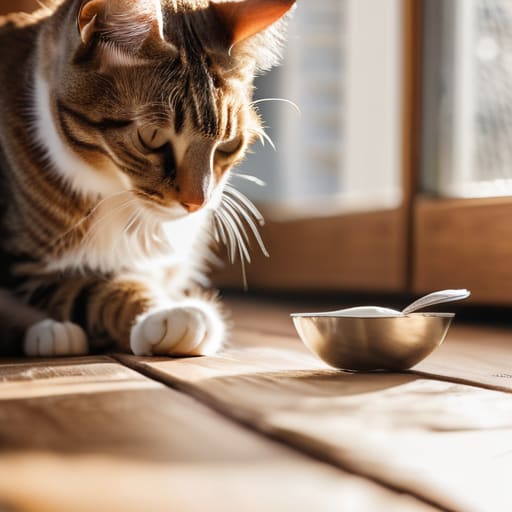
First, let’s talk about the actual delivery. If you’re struggling with pill administration techniques for dogs and cats, stop trying to win a wrestling match. For a stubborn cat, I’ve always found that a tiny bit of Churu or even a smear of plain Greek yogurt works better than any “pill pocket” you can buy at the grocery store. If you’re dealing with a liquid, use a needleless syringe and aim for the side of the mouth, not the back of the throat; you don’t want to trigger an aspiration pneumonia case because you were rushing.
Second, you need a system that doesn’t rely on your memory. I used to see owners come in three days late because they “thought they gave it Tuesday.” Use a physical pill box or a dedicated app, but don’t just check the box. You need a formal pet health monitoring schedule that includes more than just the dose. Keep a small notebook to start tracking pet medication side effects—not just the big stuff like vomiting, but the subtle shifts, like a slight change in thirst or a bit of lethargy. If the behavior changes, you need to know if it happened the day the new dose started or three weeks later.
Five Things I Learned from Three Decades of Cleaning Up Med Mistakes
- Stop relying on your memory. I’ve seen too many owners swear they gave the pill, only to realize the dog swallowed it whole or it’s sitting in the corner of the rug. Get a physical pill organizer—the kind with the days of the week—and use it. If the slot isn’t empty, the dose didn’t happen. It sounds basic, but when you’re tired or distracted, it’s the only way to be sure.
- Keep a “baseline” log, not a diary. You don’t need to write a novel every day, but you do need to know what ‘normal’ looks like for your specific animal. If your 10kg cat usually eats 50 grams of food and suddenly stops, that’s a data point. If they start drinking twice as much water as usual, that’s a data point. When you call the vet, don’t say “he’s acting weird”; say “he’s drinking 30% more water than last week.” It changes the conversation from a guess to a clinical observation.
- Watch for the “Side Effect Drift.” Most people wait for a dramatic reaction, like a seizure or a massive rash, but chronic meds often cause subtle shifts. A slight lethargy, a bit of a duller coat, or a change in bathroom habits are often the first signs that the dose needs adjusting or the drug isn’t agreeing with them anymore. If the “new normal” looks different from the “old normal,” call the clinic.
- Budget for the “Hidden Costs” of compliance. It isn’t just the cost of the pill itself. It’s the cost of the monthly bloodwork to make sure the medication isn’t wrecking their liver or kidneys. If you’re struggling to afford the meds, tell your vet. Don’t just stop giving them. We can often find a generic, or a different protocol, but if you just stop, you’re walking into a much more expensive emergency room visit two weeks from now.
- Master the “hidden” administration. If you’re fighting a cat for a pill, you’re going to get scratched, and you’re going to stress the animal out, which can actually mess with their physiological response to the med. Use a pill pocket, mix it into a tiny amount of high-value wet food (not a whole bowl, or they’ll just pick around it), or learn how to use a pill popper. If you can’t get it in them without a wrestling match, ask your vet if there is a liquid version or a compounded option. Stress is a physiological variable we don’t want in the equation.
The Bottom Line: What You Need to Watch For
Keep a “red flag” list on your fridge; if you see sudden lethargy, vomiting, or a complete refusal to eat, stop wondering if it’s a side effect and call the vet immediately—don’t wait for your scheduled appointment.
Track your costs and your supplies proactively; running out of a maintenance med because you forgot to refill it is a preventable crisis that turns a manageable condition into an emergency room bill.
Don’t just assume “no news is good news”—if your pet’s behavior shifts even slightly, even if they are still taking their pills, document it and report it, because subtle changes are often the first sign that a dosage needs adjusting.
The Danger of the "Wait and See" Approach
“The biggest mistake I saw in thirty years wasn’t people giving the wrong dose; it was people waiting for a crisis to happen before they called us. When a pet is on long-term meds, you aren’t just looking for the big stuff like vomiting or lethargy—you’re looking for the subtle shifts, the way they stop greeting you at the door or how they suddenly seem a little more stiff on the rug. By the time a symptom is obvious, you aren’t managing a chronic condition anymore; you’re managing an emergency, and that’s when the vet bills get heavy and the prognosis gets grim.”
Marlene Ostrowski
The Long Haul

At the end of the day, managing long-term meds isn’t about being a perfect pharmacist; it’s about being a consistent observer. You’ve got your pill organizers, your alarms set, and your backup supply of the expensive stuff tucked away in the cabinet. But more importantly, you’ve learned to distinguish between a minor side effect and a clinical emergency. Remember that the goal isn’t just to get the dose into the animal, but to monitor the results. If the medication is working, you should see it in their eyes, their energy, and their appetite. If you stop seeing those small wins, or if the cost of the meds starts feeling like a burden that’s changing how you treat them, call your vet. Don’t wait for the crisis to happen before you start the conversation about what is actually working.
I know it gets exhausting. I’ve seen owners walk into my clinic looking like they haven’t slept in a week because they’re terrified of missing a dose or causing a reaction. It is a heavy weight to carry, but please don’t let the logistics of medicine rob you of the joy of your pet’s company. You aren’t just a caregiver; you are the reason they get to have a “good day” tomorrow. The routine might feel clinical and sometimes even cold, but that structure is what provides them with stability and comfort. You are doing the hard, unglamorous work that keeps them here, and even on the days when it feels like nothing more than a battle of wills with a stubborn cat, it is worth it.
Frequently Asked Questions
What should I do if my pet starts acting differently right after I give them a new pill, and is that a side effect or an emergency?
Look, there’s a big difference between “this pill makes him sleepy” and “this pill is killing him.” If they’re just a little lethargic or their appetite dips, call the clinic in the morning. But if you see hives, facial swelling, or if they start vomiting repeatedly, don’t wait for a callback. That’s an anaphylactic reaction. That’s an ER visit tonight. When in doubt, trust your gut—if they look “wrong,” they usually are.
My pet refuses to take their meds; is there a way to hide them in food without messing up the dosage or causing stomach upset?
Look, I’ve spent decades wrestling pills out of stubborn jaws. If you’re hiding meds in food, you have to be careful. A tiny bit of peanut butter or a pill pocket works for most, but if you mix it into a whole bowl of kibble and they don’t finish it, you’ve just failed the dose. Use a high-value, small amount of something they can’t resist—like plain canned pumpkin or a lick of wet food—to ensure they swallow every bit. And watch for GI upset; some meds don’t play well with certain fats.
How do I keep track of all these different pills and refill dates without spending a fortune on fancy organizers or missing a dose?
Look, you don’t need a $40 smart-dispenser. I’ve seen people spend a fortune on gadgets that end up sitting in a drawer. Get a cheap, multi-compartment pill box from the drugstore and a dedicated kitchen timer. The trick isn’t the hardware; it’s the system. Mark your refill dates on a physical calendar on the fridge—not just your phone. If you wait until the bottle is empty to call the clinic, you’re already behind.