
I can still smell the antiseptic and the underlying scent of a sick Golden Retriever from a case I handled back in ’98. The owner was frantic, staring at her phone, trying to Google “how to take a pet’s temperature” while her dog was clearly shivering and listless. She was looking for a magic answer online, but all she really needed was a steady hand and a digital thermometer. Most people think you need a medical degree or some high-tech infrared gadget to figure out if your animal is running a fever, but they end up wasting precious time—and money—chasing myths instead of looking at the actual numbers.
I’m not here to give you a textbook lecture or sell you a fancy piece of equipment you don’t need. I’m going to show you exactly how to do this without getting bitten, scratched, or making a mess of your living room. I’ll tell you what a “normal” reading actually looks like, which numbers mean you can wait until morning, and which ones mean you need to grab your keys and head to the ER right now.
Table of Contents
Why Pet Temperature Reading Accuracy Actually Matters

Look, I know nobody enjoys playing doctor with their pet, especially when you’re trying to avoid a frantic midnight run to the ER. But here is the reality: a thermometer is one of the few objective tools you actually have at home. Most people rely on how their dog or cat looks—are they lethargic? Are they hiding under the bed? Those are valid pet health indicators, but they are subjective. A pet can look perfectly fine while their internal furnace is slowly cooking them from the inside out.
If you get a reading that’s off because you used a cheap oral thermometer or you didn’t get a deep enough reading with a rectal thermometer for pets, you are flying blind. An inaccurate number might give you a false sense of security when your cat is actually mounting a fever, or it might send you into a panic over a decimal point that doesn’t matter. Getting that number right is the difference between “we can monitor this until morning” and knowing exactly when to call a veterinarian before things turn irreversible.
Choosing the Right Rectal Thermometer for Pets
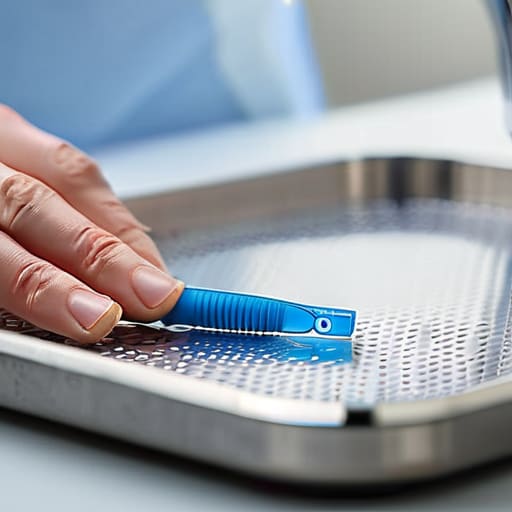
Don’t go running to the drugstore and grabbing a flimsy digital thermometer meant for a human child. I’ve seen people try it, and frankly, it’s a recipe for a broken device and a very stressed-out animal. You need a dedicated rectal thermometer for pets—one with a slim, flexible tip and a shorter probe length. Human thermometers are often too long and rigid; if you’re trying to navigate a squirming ten-pound cat, you don’t want to be fighting a piece of stiff plastic that feels like it’s going to snap.
I always tell my fosters to look for something digital with a fast readout. You want a reading in under thirty seconds if possible, because let’s be honest, most dogs aren’t going to sit still for a minute of precision. While pet temperature reading accuracy is the goal, the real priority is safety and speed. If you can, grab one that has a built-in memory function so you aren’t squinting at a tiny, blurry screen while trying to keep a heavy terrier from jumping off the exam table.
Five Things I Learned From Decades of Doing This in the Exam Room
- Forget the oral thermometer; it’s a waste of your time and a recipe for a bitten finger. Unless you’re dealing with a very cooperative, very large dog, you need to go rectal. It’s the only way to get a reading that actually reflects their core temperature, and after thirty years, I’ve stopped apologizing for that reality.
- Use enough lubricant to make it slide, not just a smear. I’m talking about a generous amount of water-soluble lube—not Vaseline, because that’s a nightmare to clean out—to ensure you aren’t causing discomfort or injury. If you’re struggling, you’re doing it wrong; stop, calm the animal, and try again.
- Lubricate the thermometer, but also lube your finger. If you’re restraining a cat or a nervous terrier, you need one hand for the thermometer and the other for stability. A little bit of lube on your index finger makes the whole process faster and less stressful for both of you.
- Watch the clock, not just the beep. Most digital thermometers take about 30 to 60 seconds. Don’t pull it out the second you hear a click; hold it steady. I’ve seen plenty of people pull it too early and get a reading that’s a full degree off, which is the difference between “call the vet Monday” and “go to the ER now.”
- Keep a “normal” number in your head. For dogs and cats, that’s usually between 100°F and 102.5°F (37.8°C to 39.2°C). If you hit 103.5°F, you aren’t looking at a “wait and see” situation; you’re looking at a fever, and you need to be prepared to call your vet immediately.
The Bottom Line on Temperature
Don’t trust an ear thermometer or a forehead scan; if you want a number you can actually base a medical decision on, you have to go rectal, or you’re just guessing.
A temperature above 103°F (39.4°C) or below 99°F (37.2°C) isn’t a “wait and see” situation—that is a “call the emergency vet now” situation.
Keep a digital thermometer in your kit and use plenty of water-based lubricant; it’s uncomfortable for a second, but it’s a lot better than the alternative if they’re actually sick.
The Difference Between a Number and a Crisis
“I’ve spent three decades watching owners stare at a thermometer like it’s a math problem they can’t solve, but here is the reality: a temperature isn’t just a number on a screen, it’s your first real warning shot. If you’re hovering at 101, you can breathe; if you hit 104, stop reading my blog and start your car, because by the time they look lethargic, you’re already behind the curve.”
Marlene Ostrowski
The Bottom Line

Look, I know nobody wakes up excited to play the part of a nurse to their own pet, especially when it involves a rectal thermometer and a bit of a struggle. But if you’ve followed what I’ve said, you know the drill: get a digital thermometer designed for medical use, use plenty of lubricant, and keep a steady hand. Remember that a normal temperature for most dogs and cats sits between 100.5°F and 102.5°F (roughly 38°C to 39.2°C). If you hit 103.5°F or drop below 99°F, stop playing detective and call your vet immediately. Don’t waste time trying to “cool them down” with a bath or waiting for the morning if they are lethargic or refusing food alongside that fever.
At the end of the day, being a pet owner is about more than just the fun stuff like walks and treats; it’s about being the one person who actually knows what’s going on when their body starts to fail. You are their only advocate. When you take that temperature, you aren’t just checking a number on a screen—you are gathering the most vital piece of data that can bridge the gap between a routine appointment and an emergency room visit. It isn’t glamorous, and it certainly isn’t easy, but your ability to stay calm and precise is exactly what will save their life when it matters most.
Frequently Asked Questions
What exactly is a "normal" temperature for a dog versus a cat, and at what specific number should I stop reading and start driving to the emergency vet?
For both dogs and cats, “normal” sits between 100.5°F and 102.5°F (38°C–39.2°C). If you’re seeing 103°F, they’re running a fever; if it’s 99°F, they’re dropping. But listen to me: if that number hits 104°F or dips below 99°F, stop reading this and start driving. Don’t wait for a callback from your vet. At those extremes, you aren’t just dealing with a sniffle; you’re dealing with potential organ failure or shock. Go now.
I've tried using a digital thermometer on my cat's mouth and it didn't work; is there any way to get an accurate reading without the rectal method?
Look, I’ll be blunt: if you aren’t going rectal, you aren’t getting a clinical reading. Oral temperatures in cats are notoriously unreliable because they pant, they lick, or they just won’t hold the probe still. You might get a number, but it’s a guess, not a measurement. If you’re trying to gauge a fever, a “guess” can be the difference between monitoring them at home and rushing to the ER. Use the rectal method. It’s unpleasant, I know, but it’s the only way to know for sure.
If my pet is shivering or acting lethargic, does that change how I should interpret the temperature reading I just took?
If they’re shivering or lethargic, that temperature reading is your most important piece of data, but don’t read it in a vacuum. Shivering can be a sign of a fever trying to break, or it could mean they’re actually hypothermic. If the number is high (over 103°F) and they’re lethargic, they’re sick. If it’s low (under 99°F) and they’re shivering, they’re crashing. In either case, stop playing thermometer and call the vet.