I spent twenty-eight years in a small clinic watching owners pour money into “kidney support” supplements they saw in flashy Facebook ads, all while missing the actual signs right under their noses. People think they’re being proactive, but they’re usually just chasing expensive marketing instead of learning how to spot kidney disease in cats before the damage is irreversible. I’ve seen too many people treat a sudden increase in water intake as “just a thirsty kitty,” only to show up in my triage area three days later with a cat that is dangerously dehydrated and a vet bill that looks like a mortgage payment.
I’m not here to sell you a magic diet or a miracle pill, and I’m certainly not going to sugarcoat the reality of chronic illness. What I am going to do is give you the clinical truth stripped of the fluff. I’ll tell you which changes in behavior are worth a phone call on a Tuesday and which ones mean you need to grab your keys and drive to the emergency vet right now. We’re going to look at the real symptoms, the actual costs, and exactly what you need to watch for to keep your cat stable for as long as possible.
Table of Contents
Recognizing Feline Chronic Kidney Disease Symptoms Early
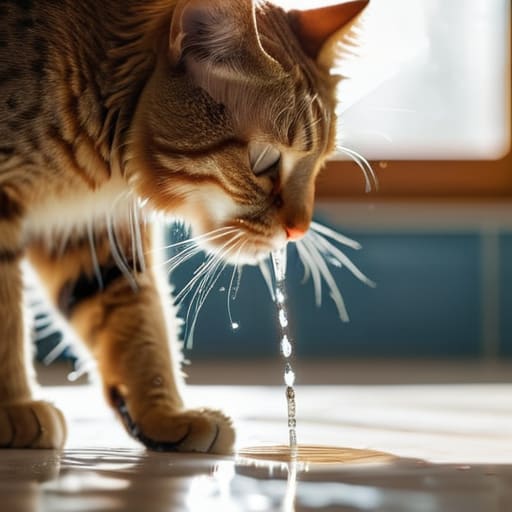
The trick with feline chronic kidney disease symptoms is that they don’t usually hit like a freight train; they arrive like a slow leak in a faucet. You won’t see a cat collapse in the kitchen; instead, you’ll notice they’re spending more time at the water bowl or that the litter box seems to be filling up faster than usual. This increased urination in cats is often the very first red flag. Because the kidneys aren’t concentrating urine properly anymore, the cat is essentially trying to flush out a system that isn’t working, and they’ll drink more to compensate.
You also need to watch for subtle cat appetite changes. It’s rarely a total refusal of food at first; it’s more of a “pickiness” that owners often mistake for old age or a bad batch of kibble. They might skip a meal here or there, or start gravitating toward the wet food because they’re feeling a bit nauseous from the buildup of toxins in their blood. If you see them losing weight while their belly stays round, or if they seem to be fading into the background of the house, don’t just shrug it off. That’s when the early detection of feline renal failure becomes a race against the clock.
When Increased Urination in Cats Becomes a Crisis
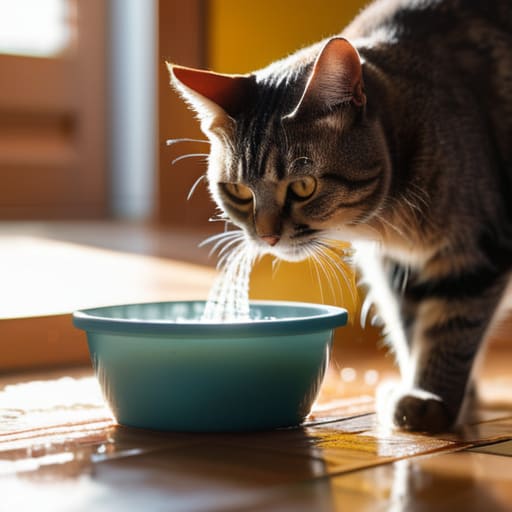
Most people notice the litter box is getting heavy or that the clumps are getting larger, and they think, “Oh, he’s just drinking more.” But there is a massive difference between a cat who is simply more hydrated and a cat who is struggling to maintain their electrolyte balance. If you see increased urination in cats paired with a sudden, frantic attempt to access the water bowl every ten minutes, you aren’t just looking at a thirsty pet; you are looking at a system that is failing to concentrate urine. This is one of the most common feline chronic kidney disease symptoms, and if it’s accompanied by lethargy, you’re moving out of the “monitor them” phase and into the “call the clinic” phase.
The real crisis hits when the volume of urine goes up, but the output becomes irregular or painful. If your cat is straining in the box or crying while trying to go, that is an immediate emergency—not a Monday morning appointment. Between the cost of an emergency visit (which can easily start at $200-$400 just for the exam and stabilization) and the risk of a total blockage, you need to know the difference. Don’t wait for the weight loss to become obvious before you act; by then, the damage is often well advanced.
Five things I’ve learned from watching cats fade
- Watch the water bowl, not just the litter box. If your cat is drinking significantly more than usual—what we call polydipsia—it’s often the first red flag. I’ve seen owners think, “Oh, it’s just hot out,” while the cat is actually trying to compensate for kidneys that aren’t filtering properly. If they’re acting like they’re in a desert, they need bloodwork.
- Check the “quality” of their weight loss. There is a massive difference between a cat that’s lost a little muscle because they’re getting older and a cat that is wasting away despite eating like a horse. If they are ravenous but their spine is starting to feel like a row of marbles under their skin, that’s a classic sign of metabolic dysfunction, not just “getting old.”
- Don’t ignore the “stinky breath” trap. People often assume a cat has bad breath because they ate something gross, but if it smells sweet, fruity, or like ammonia, that’s not a dental issue—that’s uremia. It means toxins are building up in the bloodstream because the kidneys aren’t clearing them out. That’s a “call the vet tomorrow morning” situation, not a “wait and see” one.
- Monitor the coat and the “vibe.” A healthy cat usually has a sleek, somewhat oily coat. When kidney function drops, they often stop grooming. You’ll see a cat that looks “spiky,” dull, or unkempt. If they also seem lethargic—meaning they aren’t just napping, but they aren’t even interested in the treats they usually go crazy for—their system is struggling.
- Keep an eye on the vomit, but look for the pattern. Occasional hairballs are fine. But if your cat is hacking up bile or undigested food every single morning, it’s often due to the buildup of waste products in the blood irritating the stomach lining. If the vomiting is frequent, the cost of an emergency visit is going to be significantly higher than the cost of a standard senior blood panel, so don’t let pride or your bank account delay the lab work.
The bottom line: What you need to watch for
Don’t mistake “drinking more” for just being thirsty; if your cat is polishing off a whole can of water and then passing large, dilute clumps in the litter box, their kidneys are likely struggling to concentrate urine, and you need to book a blood panel before the damage becomes irreversible.
Weight loss is the most deceptive symptom because it happens slowly, but if you notice your cat’s spine or hip bones becoming prominent despite them eating like nothing can stop them, you aren’t looking at “getting old”—you’re looking at a metabolic crisis.
Know the difference between a “wait until morning” symptom and a “get to the ER” emergency: a gradual decrease in appetite is a vet appointment for Monday, but if your cat stops eating entirely, starts vomiting bile, or seems lethargic and unresponsive, you’re looking at an acute crisis that will cost you triple in emergency fees if you wait.
## The cost of waiting
“People always ask me if a little extra water intake is something they can just ‘watch’ over the weekend. I tell them the same thing every time: by the time you notice they’re drinking like they’ve found a desert oasis, the kidneys have already been struggling for months. You aren’t ‘watching’ a symptom; you’re watching a slow-motion collapse, and waiting until they stop eating is just choosing the most expensive way to realize you should have called us last Tuesday.”
Marlene Ostrowski
The Bottom Line
Look, I know it’s overwhelming to watch your cat change, but you can’t manage what you don’t measure. Keep a sharp eye on the water bowl, the litter box, and the weight scale. If they are drinking more, peeing more, or suddenly looking like they’ve lost five percent of their body mass, stop Googling and start calling. Chronic kidney disease isn’t a sudden lightning strike; it’s a slow leak. Catching that leak early—when you can manage it with a change in diet or some subcutaneous fluids—is the difference between a few hundred dollars in maintenance and a four-figure emergency bill for a crisis that could have been avoided. Trust your gut when something feels off; your cat can’t tell you their kidneys are struggling, so you have to be their voice.
At the end of the day, having a diagnosis doesn’t mean the end of the road. I’ve seen cats live three, even four years past their initial diagnosis because their owners were diligent, not because they had a magic cure. You aren’t just a pet owner; you are the primary caregiver, the observer, and the one who knows their quirks better than any vet ever will. It isn’t always easy, and it isn’t always cheap, but providing a comfortable, dignified life for an aging cat is the greatest way to thank them for the years they’ve given you. You’ve got this.
Frequently Asked Questions
I noticed my cat is drinking more, but if I start giving him more water or wet food, am I just masking a problem that needs a vet?
You aren’t masking the problem; you’re managing a symptom, but you aren’t fixing the cause. If his kidneys are struggling to concentrate urine, he’s losing water faster than he can process it. Giving him more water or switching to wet food helps keep him hydrated for now, but it won’t stop the underlying damage. Think of it like putting a bucket under a leaking roof—it keeps the floor dry, but the shingles are still gone. Get him to the vet.
My vet mentioned a creatinine level of 2.5, but what does that actually mean for his daily life and how much is this going to cost me in monthly management?
A creatinine of 2.5 means your cat is officially in Stage 2 or 3 kidney disease, depending on his other numbers. He isn’t “dying” today, but his kidneys are definitely struggling to filter waste. Expect him to be a bit more lethargic or picky with food. Monthly, budget about $100–$200 for prescription renal diet and maybe some subcutaneous fluids or supplements. It adds up, but it’s cheaper than an ER visit for dehydration.
If he's still eating and acting mostly normal, do I really need to rush in for an appointment, or can this wait until my regular clinic opens on Monday?
If he’s still eating and his energy is steady, you likely don’t need the emergency vet tonight. That’s a $500+ mistake most people can’t afford. But there is a line. If he stops eating, starts vomiting, or becomes lethargic—meaning he’s not just sleepy, but actually “out of it”—you go now. If it’s just the increased thirst and urination, call your regular clinic first thing Monday morning. Don’t wait until Wednesday.