
I’ve spent three decades in exam rooms watching people walk in with a pet that’s clearly shutting down because their environment changed too fast, and frankly, most of the advice you’ll find online is useless fluff. You don’t need a Pinterest-worthy checklist of “cute ways to travel with your cat”; you need to know how to prevent a gastrointestinal crisis or a behavioral meltdown when your entire world is packed into cardboard boxes. If you’re looking for a whimsical, sunshine-and-rainbows version of relocation, you’re in the wrong place. I’m writing this complete guide to moving house with pets because I know that moving isn’t just a logistical headache—it is a massive physiological stressor that can turn a healthy animal into a patient overnight.
I’m not going to sell you on expensive calming pheromone diffusers that might not even work, or tell you that a “happy transition” is guaranteed. Instead, I’m going to give you the clinical reality of what to watch for, from the specific signs of stress-induced colitis to the exact costs you should set aside for emergency vet visits during the transition. I’ll tell you what to pack, what to ignore, and—most importantly—when a change in behavior means you need to call the vet immediately rather than waiting until Monday.
Table of Contents
- Your Essential Pet Relocation Checklist and Necessary Supplies
- The Veterinary Checkup Before Moving Dont Skip the Basics
- Five Ways to Keep Your Animals (and Your Sanity) From Spiraling
- The Bottom Line Before You Pack the Last Box
- ## The Hidden Cost of Rushing
- The Final Word Before the Moving Truck Arrives
- Frequently Asked Questions
Your Essential Pet Relocation Checklist and Necessary Supplies

Don’t just throw a bag of kibble and a leash in a cardboard box and call it a day. You need a dedicated pet relocation checklist that focuses on the things that actually keep an animal stable when their world is being upended. Start with a “survival kit” for the first 48 hours: familiar bedding, their current food (don’t switch brands mid-move, or you’ll be dealing with GI upset in a house that doesn’t smell like home yet), and any medications. If you have a senior dog or a cat with chronic issues, I cannot stress this enough: schedule a veterinary checkup before moving to ensure their baseline is stable and to get a written plan for any stress-induced flare-ups.
When it comes to gear, invest in quality pet-friendly moving supplies rather than the cheapest crate you can find on a discount site. I’ve seen too many animals panic in flimsy carriers that don’t latch properly or provide enough ventilation. You want hard-sided crates for safety and soft-sided ones for comfort during the actual car ride. Most importantly, pack a small, portable kit with paper towels, enzyme cleaners, and extra absorbent pads; accidents are almost a mathematical certainty when a pet is stressed, and you don’t want to be hunting for cleaning supplies while trying to unpack a kitchen.
The Veterinary Checkup Before Moving Dont Skip the Basics
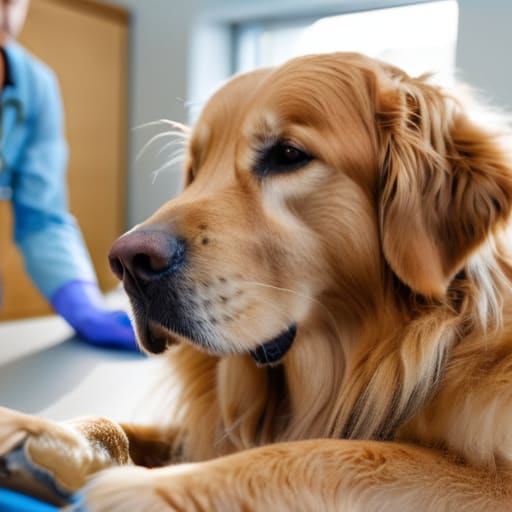
Don’t let the chaos of packing fool you into thinking a veterinary checkup before moving is a luxury you can push to next month. I’ve seen too many owners realize, three days into a cross-country haul, that their dog’s chronic ear infection has flared into a full-blown abscess because of the stress. You need to schedule an appointment at least two weeks before the movers arrive. This isn’t just about a physical exam; it’s about updating microchips, ensuring prescriptions aren’t about to run out, and getting a fresh baseline on their health. If your cat has a history of urinary issues, a quick urinalysis now can prevent an expensive, middle-of-the-night emergency room visit when they’re already stressed by a new zip code.
While you’re there, have a real conversation with your vet about reducing pet anxiety during transit. If your dog tends to panic in the car, ask about short-term sedative options or pheromone protocols. I’ve seen people try to “tough it out” with a nervous animal, only to end up with a terrified pet that refuses to leave the crate or, worse, an animal that has physically injured itself trying to escape. Knowing exactly what your vet recommends for your specific animal’s temperament is much better than guessing with home remedies when you’re stuck on the side of an interstate.
Five Ways to Keep Your Animals (and Your Sanity) From Spiraling
- Stick to the old routine like your life depends on it. If your dog eats breakfast at 7:00 AM in the old house, he eats at 7:00 AM in the new one, even if you’re surrounded by half-unpacked cardboard boxes. Animals don’t care about your new floor plan; they care about the predictable rhythm of their lives. When that rhythm breaks, the stress hormones spike, and that’s when you start seeing the GI upset or the inappropriate urination.
- Don’t forget the “Scent Anchor.” When you pack up, grab a few old blankets or even a t-shirt you’ve worn that hasn’t been through the wash yet. Put them in the crates or the new sleeping area immediately. A new house smells like paint, cleaning products, and strangers; having a piece of “home” that smells like you can be the difference between a cat hiding under the sofa for three days and a cat that actually comes out for dinner.
- Budget for the “Stress Tax.” Moving is expensive, and I know that. But you need to set aside a couple hundred dollars specifically for the fallout. Whether it’s a sudden bout of colitis that requires a round of metronidazole, an emergency visit because a nervous cat bolted out a propped-open door, or just a massive bag of prescription calming treats, don’t let a lack of liquid cash turn a manageable stressor into a medical crisis.
- Manage the transport like a clinical procedure. If you have a high-anxiety pet, don’t just throw them in the back of a van and hope for the best. Use pheromone sprays like Feliway or Adaptil—I’ve seen them work, and I’ve seen them fail, but they are worth the ten dollars. Keep the car temperature stable, avoid heavy music, and if you’re driving more than two hours, plan for stops where they can sniff the grass, but don’t let them roam off-leash in an unfamiliar area. One distraction and they are gone.
- The “First Night” Survival Kit. On moving day, you won’t be able to find your pet’s specific kidney diet or their flea preventative buried in a sea of bubble wrap. Pack a dedicated, clearly labeled bin that stays in the front seat of your car or right by the door. It needs their food, their bowls, their medications, and their favorite toys. You do not want to be searching for a pill bottle at 11:00 PM in a dark, empty house because you’re too exhausted to think.
The Bottom Line Before You Pack the Last Box
Don’t treat moving day like a casual trip; your pet’s routine is their safety net, so pack a “survival kit” with at least seven days of their current food and any medications so you aren’t hunting for a pharmacy in a town where you don’t know the vets yet.
Budget for the “stress tax”—moving is a massive physiological stressor that can trigger underlying issues like GI upset or urinary incontinence, so have a contingency fund ready for an unexpected vet visit in the first week.
Paperwork is just as important as the carrier; ensure you have digital and physical copies of vaccination records and microchip info ready to go, because trying to prove your dog is up-to-date while standing in a new clinic’s lobby is a headache you don’t need.
## The Hidden Cost of Rushing
“Most people focus on the cost of the moving truck or the new security deposit, but they forget to budget for the vet visit that comes two weeks later when their cat stops eating or their dog starts panting through the night. Moving isn’t just a logistical headache; it is a physiological shock, and if you aren’t prepared to handle the medical fallout of that stress, you aren’t actually prepared to move.”
Marlene Ostrowski
The Final Word Before the Moving Truck Arrives

Look, moving is a logistical nightmare for humans, but for a dog or a cat, it’s a complete dismantling of their entire sensory world. You’ve checked the microchips, you’ve updated the vet records, and you’ve budgeted for the inevitable “stress-related” GI upset that usually costs about $150 in exam fees and meds. You’ve done the heavy lifting by securing their routine and their medical safety net. Just remember: the checklist is your roadmap, but your observation is their lifeline. Don’t just assume they’re “fine” because they aren’t hiding under the bed; watch for the subtle shifts in appetite or energy that tell you they’re struggling to adjust to the new scent of the house.
At the end of the day, your pets don’t care about the square footage of the new kitchen or whether the movers scratched the hardwood. They only care about the consistency of your presence and the familiarity of their smallest comforts. Moving is exhausting, and there will be moments when you’re too tired to play or too stressed to provide the perfect routine, and that is okay. You are their entire world, and as long as you keep their medical needs steady and their hearts calm, you’ll get through the chaos together. Now, go double-check that the carrier is by the door and get some sleep.
Frequently Asked Questions
My dog has severe separation anxiety; how do I prevent a full-blown panic attack during the actual transit between houses?
Look, if they’re already panicking, a new car ride isn’t going to fix it. You need to talk to your vet about situational medication—think Gabapentin or Trazodone—now, not the morning of the move. Don’t wait until you’re in the driveway. I’ve seen dogs literally hyperventilate until they seize because they felt trapped. Get the prescription, practice the dosage in a calm environment first, and for heaven’s sake, don’t make the car a place of high tension.
What are the actual costs I should be setting aside for emergency vet visits if my pet gets sick or injured during the move?
Look, I’ve seen owners freeze in the lobby because they didn’t realize an emergency visit isn’t just a co-pay. If your dog swallows something in a new yard or your cat gets stuck in a moving box, you’re looking at a minimum of $200–$500 just to get through the door and get stabilized. A real crisis—trauma or acute toxicity—can easily hit $1,500 to $3,000 before you even talk about hospitalization. Set aside at least $2,000. Don’t let a math problem become a tragedy.
How do I transition my cat to a new environment without them hiding under the furniture for three weeks straight?
Stop trying to give them the whole house at once. That’s how you end up with a cat that disappears under a sofa for a month. Pick one small, quiet room—a spare bedroom or even a large bathroom—and make that their “safe zone” with their litter, food, and familiar scents. Once they’re eating and using the box there, expand their territory. If they stop eating for more than 24 hours, call the vet; that’s stress turning into a medical issue.