I’ve spent thirty years watching people fall for the “luxury weight management” trap, spending a fortune on boutique, grain-free, freeze-dried salmon morsels that are essentially just expensive junk food in a fancy bag. If you think buying a $60 tin of “slimming” pâté is the magic answer to how to help an overweight cat, you’re being sold a bill of goods. I’ve seen enough cats on my exam table—cats with diabetes, joint pain that makes them cry, and livers that are shutting down—to know that weight loss isn’t about the brand name on the bag; it’s about the math of calories versus movement.
I’m not here to sell you a lifestyle brand or a miracle supplement. I’m going to tell you exactly how to manage the caloric intake, how to tell if their weight is a slow creep or a metabolic emergency, and what a realistic timeline for weight loss actually looks like. I’ll give you the real numbers, the uncomfortable truths about portion control, and I’ll tell you when a “heavy cat” is actually a medical crisis that requires a vet visit before the damage becomes permanent.
Table of Contents
Recognizing the Signs of Feline Overweight and Hidden Risks
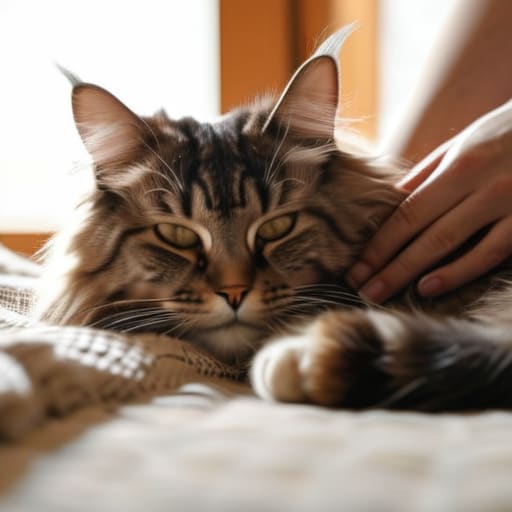
You can’t always tell just by looking at them, especially if you have a long-haired breed masking the situation. I used to tell owners to stop looking for a “roundness” and start feeling for the ribs. If you have to press down hard just to find the bone, or if there’s a literal roll of fat over the spine, you aren’t just looking at a chubby pet; you’re looking at signs of feline overweight that lead to real trouble. I’ve seen too many cats where the owner thought they were just “sturdy” until the diabetes diagnosis hit the table.
The real danger isn’t just the extra pounds; it’s the silent metabolic shift. Feline obesity risks include everything from joint inflammation that makes them stop jumping, to hepatic lipidosis—which is a fancy way of saying their liver starts failing because they can’t process the fat. Once a cat stops eating because they feel unwell, you aren’t just looking at a diet change anymore; you’re looking at a multi-thousand-dollar hospital stay. Don’t wait until they’re lethargic to start thinking about their weight.
Why Low Calorie Cat Food Isnt Always a Quick Fix

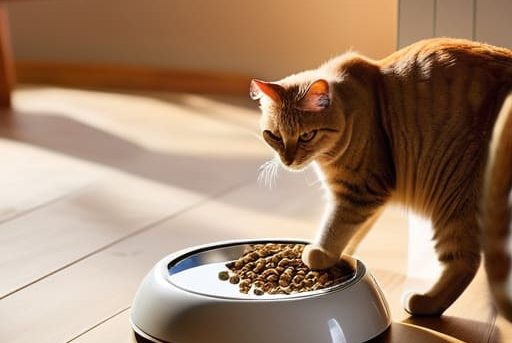
Look, I see it every single week: an owner comes in, looking guilty, and says they’ve already switched to a low calorie cat food but the scale hasn’t budged. Here is the truth they don’t tell you on the back of the bag: calories are still calories. If you’re still overfilling that bowl by even a handful of kibble every day, you aren’t dieting; you’re just feeding them slightly less expensive weight gain. Most people think they are measuring cat food portions accurately, but unless you are using a digital gram scale, you are likely guessing. And in my thirty years, I’ve learned that “guessing” is usually where the progress dies.
The real danger isn’t just the extra pounds; it’s the metabolic shift. If you just slash their intake without a structured approach, you risk hepatic lipidosis—liver failure—which is a fast, expensive, and terrifying way to lose a cat. That’s why veterinary weight loss plans exist. We don’t just cut food; we manage the transition so their body doesn’t shut down. It’s not about being stingy with the kibble; it’s about being precise so you don’t end up in the ER paying for an ICU stay.
Real-World Tactics for Shrinking the Waistline
- Stop feeding by the “cup” and start using a gram scale. Most people think they’re being careful, but a “level cup” of kibble can vary by twenty grams depending on how much you scoop. In a ten-kilogram cat, those extra calories add up to a metabolic nightmare. If you want precision, you use grams. It’s the only way to be sure you aren’t accidentally overfeeding.
- Don’t fall for the “free feeding” trap. Leaving a bowl of kibble out all day is the easiest way to turn a cat into a sedentary loaf. It’s convenient for you, but it’s a slow death for them. Break those calories into four or five small meals. It keeps their metabolism moving and, more importantly, it stops them from treating the food bowl like a 24-hour buffet.
- You have to play, even if they act like they’re too good for it. I’ve spent many an afternoon in the clinic seeing cats with hepatic lipidosis—liver failure—because they were too heavy to move. Use a wand toy, a laser, or even a crumpled piece of paper. If they won’t run, make them swat. Five minutes of movement three times a day is better than an hour of nothing.
- Check the label for “fillers,” but don’t get distracted by the marketing. I see people spend sixty dollars on “premium” grain-free food that is still packed with high-calorie carbohydrates. Look at the protein-to-carb ratio. If the first three ingredients are corn, wheat, or peas, you aren’t feeding a predator; you’re feeding a starch-processing machine.
- Watch the “hidden” calories like a hawk. That little bit of deli ham you dropped, or the extra splash of tuna juice, or the “treat” you give because they looked at you funny—it all counts. If you’re trying to drop weight, those scraps are like trying to empty a bathtub with a spoon while the faucet is still running. Stick to the plan, or the plan won’t work.
The Bottom Line: What You Actually Need to Do
Stop guessing with the bag; get a precise weight in kilograms, because if you’re feeding based on “a handful” instead of actual grams, you’re just feeding a slow-motion medical crisis.
Watch for the “crash”—if your cat stops eating or becomes lethargic while dieting, don’t try a home remedy; that’s likely hepatic lipidosis, and an emergency vet bill for a liver biopsy is a hell of a lot more expensive than a prescription diet.
Measure progress in months, not days; weight loss in cats has to be slow and steady, or you risk metabolic damage that’s harder to fix than the fat was in the first place.
The Real Math of Feline Obesity
People think they’re being kind by letting a cat lap up whatever is in the bowl, but you aren’t feeding a pet; you’re managing a slow-motion metabolic crisis. If your cat is heavy enough that you can’t feel their ribs through a light touch, you aren’t just looking at a ‘chunky’ kitty—you’re looking at a massive increase in the risk for diabetes and hepatic lipidosis, and those aren’t cheap or easy things to fix once they’ve actually set in.
Marlene Ostrowski
The Reality of the Long Game

Look, I know this feels like a mountain to climb. You’ve realized that those extra few hundred grams aren’t just “fluff,” and you’ve learned that throwing a bag of generic diet kibble at the problem isn’t a magic wand. You have to manage the caloric math, watch for the subtle signs of joint pain or lethargy, and realize that consistency is the only thing that actually works. It’s not about a three-week crash diet; it’s about the slow, steady adjustment of their daily intake to prevent the diabetes or hepatic lipidosis that I’ve seen tear families apart. If you’re seeing a sudden drop in activity or a refusal to jump, stop trying to fix it yourself and call the vet.
At the end of the day, this isn’t about aesthetics or making your cat look good for a photo. It is about the quality of the years you have left with them. I’ve sat in exam rooms with owners who realized too late that their “spoiling” was actually shortening their best friend’s life, and that regret is a heavy thing to carry. You are doing the hard work now so that when they are ten or fifteen, they can still walk to their food bowl and greet you at the door. Be the advocate they can’t be for themselves. It’s going to be slow, and it’s going to be frustrating, but the extra time you buy them is worth every single ounce of effort.
Frequently Asked Questions
If I start cutting my cat's food in half today, am I going to trigger hepatic lipidosis—that liver failure issue that happens when they stop eating too fast?
Don’t do that. You’re absolutely right to be worried. If you slash their intake overnight, you aren’t just “dieting” them; you’re potentially triggering hepatic lipidosis. When a cat stops eating—even if it’s because you’re being “helpful”—their liver starts processing fat too quickly to compensate, and that can kill them. We do this in increments. Cut the calories by maybe 10% a week. Slow is steady, and steady keeps them alive.
How much am I actually going to be charged for a professional weight management plan versus just trying to do it myself with store-bought diet food?
Here’s the reality: DIYing with store-bought diet food might cost you $40 a bag, but if you guess the caloric intake wrong, you’re just delaying the inevitable. A professional plan—bloodwork to check thyroid levels, a consultation, and prescription metabolic food—will likely run you $300 to $500 upfront. It feels steep, I know. But paying for a metabolic panel now is significantly cheaper than paying for diabetes management and kidney failure treatment later.
Is there a way to tell if my cat is actually overweight or if they just have a thick coat or a certain body shape, and how do I measure that without a scale?
Forget the scale; most home scales are useless for a ten-pound feline. You need to use your hands. Run your palms along their sides, just behind the ribs. If you can’t feel the outline of the ribs without pressing down hard, they’re overweight. If you have to dig through a layer of fat to find them, they’re obese. A thick coat can hide a lot, but it won’t hide the lack of a visible waistline when looking from above.