
I’ve spent thirty years watching people spend two hundred dollars on “miracle” anti-pulling harnesses that look like something out of a science fiction movie, only to come back to the clinic three weeks later with a dog that is even more frustrated and a shoulder that’s gone stiff. Most of the advice you find online is either selling you a piece of expensive plastic or telling you to “just be consistent,” which is about as helpful as telling a person with a broken leg to just walk more carefully. If you are searching for how to stop a dog pulling on the lead, you don’t need more gear; you need to figure out if your dog is actually being a brat or if they are reacting to something they can’t control.
I’m not going to give you a list of “life hacks” or tell you that a specific brand of treats will solve everything. What I am going to do is help you differentiate between a simple lack of manners and a physical pain response that could be causing the tension in the first place. I’ll give you the practical, no-nonsense steps to manage the behavior, and I’ll tell you exactly when that pulling is a sign that you need to stop training and start calling your vet.
Table of Contents
Common Leash Pulling Mistakes That Only Make It Worse
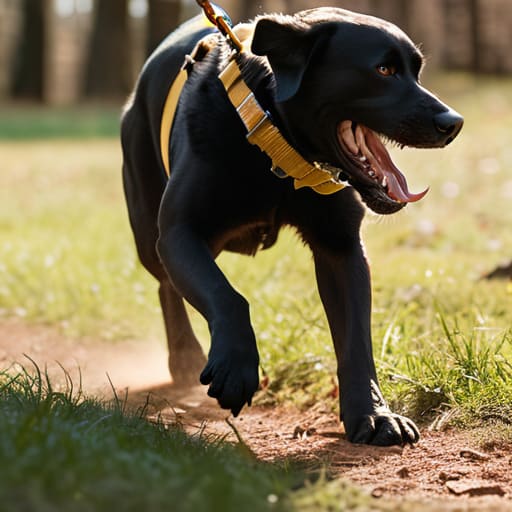
The first mistake I see—and I’ve seen it in every clinic waiting room for thirty years—is the “tug-of-war” mentality. When a dog lunges, the instinct is to yank back. You think you’re asserting dominance, but you’re actually just teaching them that tension is part of the game. If you’re constantly fighting the leash, you’re essentially training them to be a stronger puller. It turns a walk into a physical struggle that leaves both of you exhausted and the dog even more hyper-focused on the tension.
Another big one is ignoring the equipment. People love their heavy-duty collars, but if your dog is a powerhouse, you might be doing more harm than good. I always talk to owners about the front-clip harness benefits; it shifts the center of gravity so when they pull, they turn toward you rather than just dragging you down the sidewalk.
Finally, don’t fall into the trap of only paying attention when things go wrong. If you only use positive reinforcement training techniques when they happen to walk nicely for three seconds, you’re missing the mark. You have to catch them being good before they decide the squirrel across the street is more important than your shoulder socket.
Rewarding Loose Lead Walking Instead of Chasing the Problem

Most people think training is about stopping the bad behavior, but in my experience, it’s actually about teaching the good behavior you want to see. If you spend the whole walk yanking back every time they lunge, you’re just playing a game of tug-of-war where the dog always wins because they’re the ones driving the momentum. Instead of focusing on the tension, try rewarding loose lead walking by carrying high-value treats—I’m talking real chicken or freeze-dried liver, not those stale biscuits from the supermarket. The second that leash goes slack, that’s when the jackpot happens. You want them to realize that a loose leash is a vending machine, and a tight leash is a dead end.
If you’re struggling with a dog that’s physically too strong to manage, don’t beat yourself up; look into the front-clip harness benefits first. It changes the physics of the walk by redirecting their momentum toward you rather than letting them put their full weight into a forward pull. It’s not a magic fix, but it buys you the physical control you need to actually implement positive reinforcement training techniques without getting dragged into a bush.
Five Hard Truths About Getting Your Dog to Walk Beside You
- Check the hardware first. If you’re using a standard collar and your dog is a heavy puller, you’re essentially asking them to perform a slow-motion tracheotomy on themselves every time they see a squirrel. I’ve seen enough collapsed airways to know that a front-clip harness isn’t just a “training tool”—it’s a mechanical necessity to redirect their momentum toward you instead of away from you.
- Stop the “tug-of-war” mentality. When your dog lunges and you yank back with everything you’ve got, you aren’t teaching them to stop; you’re teaching them that the leash is a toy meant for combat. If they hit the end of the line, don’t fight the tension. Become a tree. Stop moving entirely. You wait for the slack to return before you even think about taking another step. It’s boring, and it’s frustrating, but physics doesn’t lie.
- Watch for the “pain pull.” This is the part the internet ignores. If a dog that used to walk fine suddenly starts lunging or, conversely, refusing to move, they might not be being “stubborn”—they might be hurting. I’ve had owners come in after months of failed training only to find out the dog had early-onset arthritis in the hips. If the pulling is accompanied by a stiff gait or a sudden change in temperament, stop the training and call the vet.
- Use high-value rewards, not just “good boy” pats. If you’re trying to teach a dog to focus on you while a neighbor’s Golden Retriever is twenty feet away, a piece of dry kibble isn’t going to cut it. You need the “jackpot” stuff—small bits of boiled chicken or freeze-dried liver. It should cost you a little extra at the grocery store, but it’s cheaper than the frustration of a wasted walk.
- Manage the environment before you fail. If you know your dog is a disaster around other dogs, don’t test your progress by walking down the main street at 5:00 PM. Training happens in increments. Start in your hallway, move to the driveway, then the quiet side street. You wouldn’t expect a student to pass a surgical exam on day one; don’t expect your dog to master a crowded park before they’ve mastered your living room.
The Bottom Line on Leash Pulling
Stop treating every pull like a discipline issue; if your dog is suddenly lunging or stiffening, check for a physical cause like a neck injury or joint pain before you start yelling at them for being “disobedient.”
Ditch the retractable leash—they are a safety nightmare and they teach your dog that tension is the norm rather than the exception.
Consistency beats intensity every single time; you won’t see results in a day, but if you stop rewarding the tension and start rewarding the slack, the habit will eventually break.
The Difference Between Naughtiness and Pain
“Before you spend six months fighting a tug-of-war with a stubborn dog, you need to rule out the physical stuff. I’ve seen plenty of owners try to ‘train’ the pulling out of a dog, only to find out later the animal was actually lunging because their neck was stiff from arthritis or their hips were screaming every time the tension hit the collar. If they’re pulling because they’re excited, that’s a training job; if they’re pulling because they’re trying to escape a sensation that hurts, no amount of treats is going to fix that.”
Marlene Ostrowski
The Long Walk Ahead

At the end of the day, fixing a pulling habit isn’t about finding a magic piece of equipment or a “hack” you saw on a thirty-second video. It’s about recognizing that if your dog is lunging, it’s either a learned behavior you’ve accidentally reinforced by letting them lead, or it’s a physical response to pain—like a sore shoulder or a neck injury—that needs a vet’s eyes, not a trainer’s. Stop chasing the dog when they bolt, stop using gear that causes unnecessary friction, and start rewarding the quiet moments when they actually choose to look at you. If you stop treating the leash like a tug-of-war rope and start treating it like a communication tool, you’ll find that consistency is more important than intensity.
I know it’s exhausting. I’ve spent many afternoons in the clinic explaining to owners that their dog isn’t being “bad,” they’re just being a dog, and that training takes time and a lot of missed walks. There will be days when you feel like you’ve gone three steps back, but don’t let a bad afternoon make you throw in the towel. You aren’t just teaching them to walk nicely; you are building a relationship based on mutual respect and clear boundaries. It’s a slow process, but when you finally get to that point where you can walk side-by-side in silence, it is worth every single frustrating minute.
Frequently Asked Questions
Is my dog pulling because they're excited, or could this be a sign of hip dysplasia or neck pain?
Here is the truth: if they’re lunging because they saw a squirrel, that’s excitement. If they’re stiff, hesitant, or yelping when the tension hits the collar, that’s pain. I’ve seen too many owners try to “train out” a limp. If your dog is pulling with a frantic, rhythmic energy, it’s likely behavioral. But if they’re bracing their body or pulling unevenly, stop the training and call the vet. A physical exam and maybe some radiographs will cost you a few hundred, but it beats a chronic injury.
Should I switch to a front-clip harness, or am I just going to end up training them to pull against the new gear?
Look, a front-clip harness isn’t a magic wand; it’s a mechanical advantage. It redirects their momentum toward you instead of letting them use their full shoulder strength to plow forward. If you just slap it on and keep letting them lunge, you’ll just end up with a dog that pulls against the new gear. Use the harness to make management easier, but keep working the training. It’s a tool, not a cure.
If I use a prong or choke collar to stop the pulling, am I doing more damage to their trachea than the habit is worth?
Look, I’ve spent too many shifts intubating dogs with crushed tracheas to give you a sugar-coated answer. If you’re using a choke chain on a small breed or a dog with any history of coughing, yes, you’re risking permanent damage. A collapsed trachea isn’t a “training setback”; it’s a lifelong, expensive respiratory crisis. If the pulling is a habit, use a front-clip harness. If it’s pain, see a vet. Don’t trade a nuisance for a medical emergency.