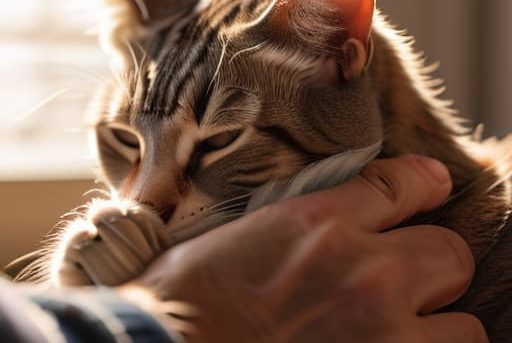
I’ve spent thirty years watching people walk into my clinic with bleeding paws and shredded upholstery because they thought they could just “muscle through” a grooming session. There is a common myth that if your cat is fighting you, you just have to be tougher, but let me tell you: aggression is a fast track to a trip to the ER. I once spent twenty minutes trying to convince a panicked owner that learning how to trim a cat’s claws isn’t about winning a wrestling match; it’s about technique and knowing when to walk away before someone—human or feline—ends up needing stitches.
In this guide, I’m skipping the fluff and the “make it a bonding experience” nonsense you see on social media. I’m going to give you the clinical reality of what tools you actually need, how to identify the quick so you don’t cause a hemorrhage, and most importantly, how to handle the unavoidable tension of a difficult cat. I’ll tell you exactly what to do when things go sideways and how much a vet visit for a torn nail will actually cost you, because knowing the difference between a minor nick and a real emergency is the only way to keep your sanity and your cat’s safety intact.
Table of Contents
- Step-by-Step Instructions
- Understanding Cat Paw Anatomy and Quick to Avoid Disasters
- The Right Cat Grooming Supplies for a Calm Session
- Five Rules to Keep the Peace (and Your Skin)
- The Bottom Line: When to Stop and When to Call
- The Difference Between a Trim and a Trauma
- Knowing When to Walk Away
- Frequently Asked Questions
Guide Overview
Tools & Supplies
- Cat nail clippers (specifically designed for feline claws)
- Flashlight (to clearly see the quick/blood vessel)
- High-value treats (1 small bag or handful)
- Towel (1 for swaddling if necessary)
Step-by-Step Instructions
- 1. First, you need the right tools, and no, those cheap supermarket grinders aren’t going to cut it if you have a cat with thick, fast-growing nails. Get a pair of professional-grade guillotine or scissor-style clippers that feel sturdy in your hand. If you’re using dull blades, you’ll end up crushing the nail instead of slicing it, and that is a one-way ticket to a very angry, very bleeding cat.
- 2. Before you even touch the clippers, you have to assess the “quick”—that’s the pink part inside the nail that holds the blood vessels and nerves. If your cat has dark nails, this is much harder. I always tell people to look for a tiny shadow of pink just inside the translucent tip; that is your hard stop. If you can’t see the quick, you are playing a guessing game, and I’ve seen too many owners end up in the exam room with a bleeding paw because they were too ambitious.
- 3. Don’t try to be a hero and grab the whole cat at once; that’s how you end up with three new lacerations on your forearms. I prefer the “one-paw-at-a-time” method. If your cat is particularly high-strung, wrap them in a thick towel—what we used to call a “purrito”—so only one limb is exposed. This keeps them contained and calm, and it prevents them from using their back legs to launch themselves off your lap.
- 4. Once you have the paw, hold it firmly but don’t squeeze like you’re trying to stop a hemorrhage. Place the clipper blade at the very edge of the nail and make a clean, swift snip. Do not saw at the nail; that’s just asking for a jagged edge that will snag on your carpets and cause the cat to pull away mid-trim.
- 5. If you do accidentally clip too deep and see a bead of blood, do not panic and do not start scrubbing it with alcohol—that’s just going to hurt like hell and make them hate you. Reach for some styptic powder or, if you’re caught without it, a little bit of cornstarch. Press it firmly against the tip of the nail for a solid minute to help the clotting process.
- 6. Keep the session short. If the cat starts dilated their pupils or their tail starts thumping against the floor, stop immediately. You aren’t going to finish all four paws in one sitting, and that’s perfectly fine. It is much better to do one nail a day for a week than to have a traumatic experience that makes your cat hide under the bed for the next three days.
Understanding Cat Paw Anatomy and Quick to Avoid Disasters
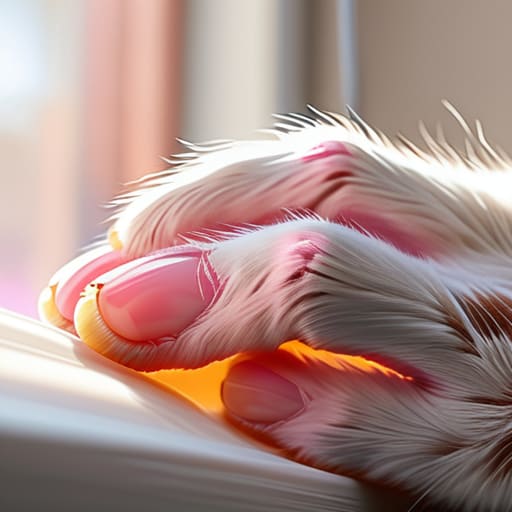
Look, you don’t need a degree in biology to do this, but you do need to understand that a cat’s claw isn’t just a piece of keratin like your fingernail. It’s living tissue. When we talk about cat paw anatomy and quick, the “quick” is that pink, fleshy core inside the nail sheath that carries blood vessels and nerves. If you slice into that, your cat isn’t just going to meow; they are going to experience a sharp, stinging pain that will make them view you as a predator rather than a provider. Once that happens, you’ve lost their trust for a week, minimum.
I’ve spent enough time cleaning up bloody paws in exam rooms to know that panic is your worst enemy. If you do nick the quick, don’t scramble for the hydrogen peroxide—that stuff can actually damage the tissue. Instead, have some styptic powder or even a bit of cornstarch on hand for preventing bleeding during nail trim mishaps. It’s a simple physical plug that stops the capillary flow immediately. If you’re using the wrong cat nail clipper types—like those cheap, dull scissors from a grocery store aisle—you’re more likely to crush the nail rather than slice it, which makes the whole process much more traumatic for everyone involved.
The Right Cat Grooming Supplies for a Calm Session
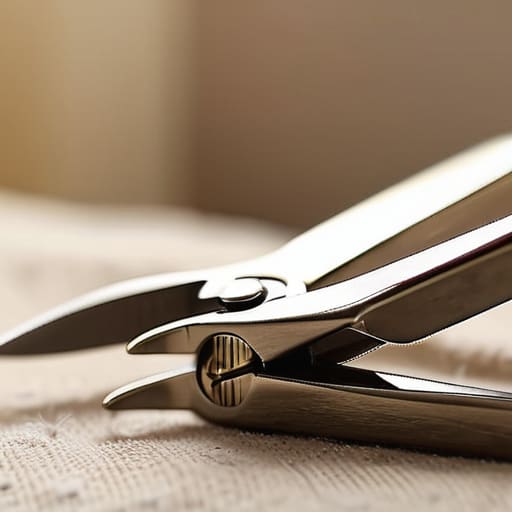
Don’t go wandering into the pet aisle and grabbing the first pair of scissors you see. You need proper cat grooming supplies that actually do the job without crushing the nail. In my experience, the best tools are the scissor-style clippers for smaller cats or the heavy-duty plier types for the big, thick-nailed tabbies. If you’re using dull blades, you aren’t cutting; you’re splintering, and that is a one-way ticket to a very stressed-out cat.
I also tell every new owner to keep a tube of styptic powder—or even just cornstarch—within arm’s reach. It’s not about being pessimistic; it’s about preventing bleeding during nail trim if you accidentally nick the quick. If you hit the vein, the cat will panic, and you will panic, and then nobody is winning.
Finally, if you’re dealing with a spicy feline, don’t underestimate the power of calming techniques for cats. I’ve used everything from high-value Churu treats to heavy-duty towel wraps (the “burrito” method) to keep a session manageable. If the cat is panting or their pupils are huge, stop. It’s better to do one nail a day than to end up in an emergency room with a scratched-up face and a traumatized pet.
Five Rules to Keep the Peace (and Your Skin)
- Stop trying to do the whole cat at once. I’ve seen owners try to power through a full manicure on a stressed tabby, only to end up with a bleeding quick and a cat that won’t let them near them for a month. Trim two claws, give a high-value treat, and walk away. You can finish the rest tomorrow.
- Watch the body language, not just the claws. If the ears go flat, the tail starts thumping like a drum, or the skin along their spine starts twitching, you are done. Pushing through a “fight or flight” response isn’t being a good owner; it’s just asking for a trip to the ER for a bite wound or a scratched cornea.
- Keep styptic powder or cornstarch on the counter next to you. Even if you’re careful, you will eventually nick a quick. It happens to the best of us. Don’t panic and start scrubbing the wound—just press the bleeding area firmly into the powder. If you can’t stop the bleeding within five minutes, call the vet.
- Use the “Burrito Method” if you have a fighter. I used to do this for years with the senior rescues. Wrap them snugly in a thick towel with only one paw exposed. It limits their range of motion and keeps them feeling secure, and it’s much safer for your hands than trying to wrestle a loose limb.
- Timing is everything. Do not attempt this when they are in “zoomie” mode or right before dinner. Wait for that post-meal lethargy or that specific window of afternoon nap time. A sleepy cat is a cooperative patient; a hungry cat is a predator.
The Bottom Line: When to Stop and When to Call
If you hit a quick and see bleeding, stop immediately; don’t go hunting for styptic powder in a junk drawer while your cat is panicking—just clean it, apply pressure, and call your vet to see if they want you to come in for an antibiotic.
Learn the difference between “my cat is being a jerk” and “my cat is in pain”; if your cat’s behavior changes from typical grumpiness to sudden, aggressive lunging or hiding, they might have an underlying issue like arthritis or a dental problem that makes touching their paws a medical trigger rather than just a grooming nuisance.
Don’t let the “perfect” trim become the enemy of the “good” trim; I’ve seen owners waste hundreds of dollars on specialized grooming tools when all they really needed was a steady hand and the discipline to stop after one nail instead of trying to do all ten at once.
The Difference Between a Trim and a Trauma
“I’ve spent half my career cleaning up blood from owners who thought they could ‘just power through’ a stubborn cat; if you find yourself wrestling a screaming animal just to take off one nail, stop—you aren’t grooming anymore, you’re just building a reason for that cat to never let you touch them again.”
Marlene Ostrowski
Knowing When to Walk Away
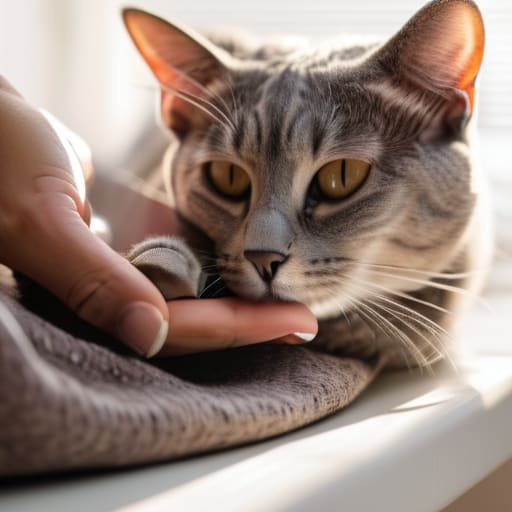
At the end of the day, trimming claws is about finding a rhythm that works for both of you. You’ve got your tools, you know where that pink quick is hiding, and you understand that a single nick isn’t the end of the world—though it’s a bloody mess you’d rather avoid. Remember that it is perfectly okay to stop halfway through if your cat starts looking like they’re ready to stage a coup. It is better to do one claw a day for a week than to force a full session that ends with a scratched face and a broken bond. If you hit a vein, don’t panic; just apply pressure and keep an eye on it, but if the bleeding doesn’t stop within a few minutes, that is when you stop playing nurse and call the vet.
I’ve spent three decades watching people treat grooming like a battle to be won, but it’s really just a small part of the stewardship we owe these animals. When you approach the task with patience instead of frustration, you aren’t just keeping your furniture intact; you are building a level of trust that shows up in how they settle into your lap when they’re old and tired. It isn’t always pretty, and some days you’ll end up with more scratches than trimmed nails, but that’s just the reality of living with a predator. Focus on the consistency over perfection, and eventually, it will become just another quiet moment in a life well-lived together.
Frequently Asked Questions
My cat’s nails are thick and curved like talons; can I just use regular human nail clippers instead of buying special pet ones?
Absolutely not. Don’t even think about it. Human clippers are designed for flat, thin nails; cat claws are thick, curved, and structurally different. If you try to use human tools on “talon-like” nails, you’re likely to crush the nail wall instead of slicing it. That causes a split, which is incredibly painful and leads to infection. It’s worth the twenty dollars for proper pet trimmers to avoid a traumatic vet visit for a cracked claw.
What do I do if I accidentally cut the quick and it starts bleeding heavily?
Deep breaths. First, don’t panic; your cat can smell the adrenaline and it’ll only make them fight harder. Grab some styptic powder—or if you’re empty-handed, cornstarch or flour will do. Pack it firmly against the bleeding tip. If it’s a heavy bleed that won’t stop after five minutes of pressure, call your vet. An infection in the bone is a $1,500 problem you don’t want. For now, keep them quiet and contained.
My cat absolutely loses it and tries to bite me every time I touch their paws; is there a way to do this without sedation?
Look, I’ve spent half my career being bitten by cats who were just terrified, so I get it. If your cat is truly aggressive, stop fighting them. You’re risking a puncture wound that’ll cost you $400 in antibiotics and a clinic visit. Try a “burrito” wrap with a heavy towel to limit movement, or use high-value treats to create a positive association. If they still lose it, talk to your vet about Gabapentin—it’s cheap, safe, and much better than a trip to the ER.