I spent twenty-eight years in a small practice watching owners walk in with a “sturdy” Labrador and a heart full of excuses, convinced that a little extra padding was just part of getting older. They’d buy the expensive, grain-free, boutique-branded kibble that costs more than my mortgage, yet the dog still looked like a walking loaf of bread. If you are looking for a fancy scale or a high-tech app to figure out how to tell if a dog is overweight, you are wasting your time and your money. The truth isn’t in a bag of premium treats; it’s in your hands and your fingertips.
I’m not here to give you a lecture or sell you a miracle weight-loss supplement. I’m going to show you exactly how to feel for those ribs, how to judge a waistline without a ruler, and—most importantly—when that extra weight stops being a cosmetic issue and starts being a ticking financial time bomb for joint surgeries and diabetes management. I’ll give you the clinical reality of what a healthy body condition score actually looks like, without the fluff.
Table of Contents
- Using a Dog Body Condition Scale Like a Pro
- The Truth About Dog Waist Visibility and Ribs
- Five Reality Checks for When You’re Not Sure if They’re Chonky or Just Healthy
- The Bottom Line: When to Stop Guessing and Start Acting
- The Cost of "A Little Extra Fluff"
- The Bottom Line on the Scale
- Frequently Asked Questions
Using a Dog Body Condition Scale Like a Pro

Look, you don’t need a fancy scale or a degree to do an ideal dog weight assessment, but you do need to stop relying on the number on the kitchen scale. I’ve seen plenty of owners panic because their lab went up two pounds, only to realize the dog actually looks leaner. Instead, you need to use a visual and tactile approach—what we call a dog body condition scale. I want you to get down on the floor with them. If you’re just looking at them from a standing position, you’re going to miss the subtle shifts in their frame.
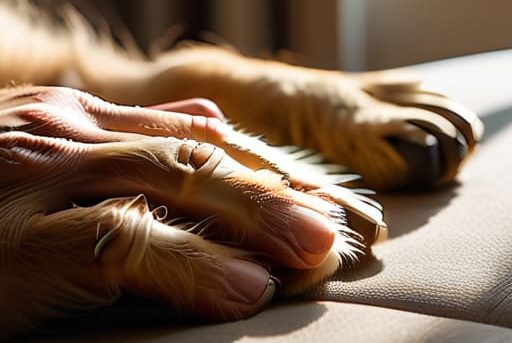
Start by running your hands along their sides. You aren’t looking for a “soft” belly; you are checking dog fat coverage over the ribs. If you have to dig or press hard to find those bones, they are officially overweight. A healthy dog should have ribs you can feel easily, like the knuckles on the back of your hand, without a thick layer of padding obscuring them. Most importantly, look for dog waist visibility from above. When they are standing naturally, you should see a clear inward curve behind the ribs. If they look like a literal loaf of bread with no indentation, you’re already in the danger zone.
The Truth About Dog Waist Visibility and Ribs
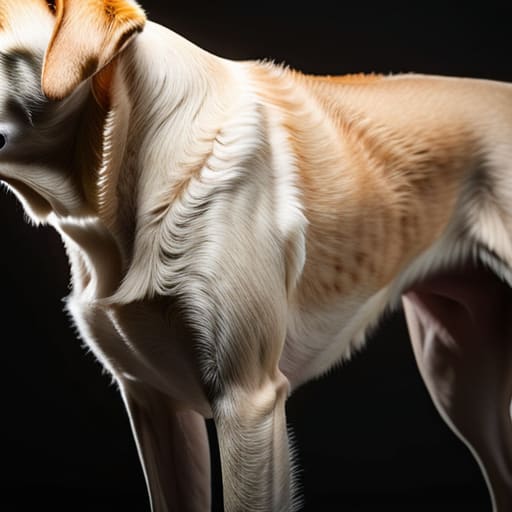
Here is the reality: most people think if they can see their dog’s ribs, the animal is starving, and if they can’t, it’s just “sturdy.” That is nonsense. When I was working in the clinic, I saw owners come in with “sturdy” Labradors that were actually walking around with massive amounts of visceral fat—the kind that wraps around the organs like bubble wrap. For a proper ideal dog weight assessment, you have to stop looking at the ribs in isolation and start looking at the silhouette.
If you run your hands along their sides and it feels like you’re pressing into a bag of flour, you’re looking at significant fat coverage. You should be able to feel the ribs under a thin layer of tissue, not a thick cushion of padding. But the real tell is the dog waist visibility from above. If you look down at them while they’re standing and they look like a literal rectangle or a cylinder, they are overweight. You want to see that gentle inward curve behind the ribs. If that curve is gone, you aren’t just dealing with a cute, chubby pup; you’re looking at the beginning of the long list of canine obesity risks that eventually lead to diabetes and joint failure.
Five Reality Checks for When You’re Not Sure if They’re Chonky or Just Healthy
- Stop relying on the scale alone. A 30kg dog can be a fit athlete or a walking metabolic disaster depending on their frame. I’ve seen owners freak out because their dog gained a single kilogram, and I’ve seen owners ignore a ten-kilogram gain because “he’s just a big breed.” You need to look at the silhouette, not just the number on the scale.
- The “Hand Test” is your best friend. Run your hands along their sides. You aren’t looking for a skeletal outline like a Greyhound; you should be able to feel the ribs under a thin layer of padding. If it feels like you’re pressing on a bag of flour or a thick memory foam mattress, they are overweight. If you have to hunt for the ribs, you’ve waited too long.
- Watch how they move when they think no one is looking. When you’re out for a walk, do they struggle to get up after a nap? Do they seem to “waddle” rather than trot? If you see a heavy dog dragging their hindquarters or breathing hard after just five minutes of sniffing a bush, that extra weight is already taxing their joints and heart.
- Check the “Tuck.” Stand behind your dog and look at their profile. A healthy dog has an upward slope from the ribs toward the hindquarters—a clear waistline. If they look like a loaf of bread or a cylinder from the side, that’s fat storage. It’s not just about looks; that belly fat is an active endocrine organ pumping out inflammation that messes with their whole system.
- Be honest about the “Treat Tax.” I spent three decades watching owners tell me their dog “eats nothing” while I’m looking at a dog that’s clearly morbidly obese. If you’re giving a handful of kibble plus “just a few” treats, you’re feeding a dog, not a pet. If you can’t account for every single calorie in a day, you’re likely overfeeding.
The Bottom Line: When to Stop Guessing and Start Acting
If you can’t feel the ribs under a thin layer of fat, your dog isn’t just “sturdy”—they are carrying extra weight that is actively taxing their joints and heart.
Don’t wait for a dramatic weight drop to realize there’s a problem; if the waistline disappears, start a controlled calorie reduction now to avoid the massive costs of managing diabetes or orthopedic surgery later.
Use your hands, not just your eyes; a visual check can be deceiving, but the tactile test of feeling for those bony landmarks is the only way to know if you’re actually looking at a healthy weight or a ticking time bomb.
The Cost of "A Little Extra Fluff"
“Don’t let them tell you your dog is just ‘sturdy’ or ‘well-fed’ to make you feel better; if you can’t find the waistline with your hands, you aren’t just looking at a cute, round belly—you’re looking at a future of expensive joint supplements, insulin shots, and a much shorter life expectancy.”
Marlene Ostrowski
The Bottom Line on the Scale
Look, I’m not telling you this to make you feel guilty about that extra handful of kibble or the piece of cheese you dropped. I’m telling you because I’ve spent far too many shifts watching owners realize their “chubby” dog actually has metabolic issues or failing joints once it’s too late to fix them easily. Whether you’re feeling for those ribs or looking for that waistline from above, remember that consistency matters more than perfection. If your dog is even a point or two above their ideal score, don’t wait for them to start limping or slowing down. Weight management is preventative medicine, and it is significantly cheaper to buy a bag of prescription diet food now than it is to pay for orthopedic surgery or diabetes management three years down the line.
At the end of the day, your dog doesn’t know they’re on a diet, and they certainly don’t care about the “Body Condition Score” numbers. They just want to be near you. But if you want them to be able to walk beside you for as many years as possible, you have to be the one to make the tough calls. It isn’t always easy, and it isn’t always fun, but loving them means protecting them from the things they can’t see themselves. Do the math, watch the ribs, and stay steady. You’ve got this.
Frequently Asked Questions
My dog looks thin from the top but feels chunky when I pet his sides; am I doing this wrong?
You aren’t doing it wrong; you’re likely just feeling the difference between muscle and fat. If he looks thin from above but feels “chunky” on the sides, you’re probably feeling subcutaneous fat—that soft layer right under the skin—rather than the actual ribcage. If you can’t find the ribs by running your hands along his sides, he’s overweight. It’s not an emergency today, but if you don’t tighten up the treats now, you’re looking at a massive vet bill for joint surgery in two years.
If I decide to start a weight loss plan, how much should I actually be cutting from his daily kibble?
Don’t just eyeball it. If you want to see results, you need to calculate his target weight—not his current weight—and find the calorie count for that. Usually, you’re looking at a 10% to 20% reduction in daily intake. I always tell people: use a kitchen scale, not a measuring cup. Those cups are notoriously inaccurate, and in my experience, “a little extra” is exactly how we end up with a dog that can’t walk by age ten.
How do I know if his weight gain is just "puppy fat" or if he's actually heading toward a health problem?
Look, if he’s under a year old, a little softness is normal—puppy fat is real. But don’t let “he’s just a growing boy” fool you. If you can’t feel his ribs at all, or if he’s losing that waistline entirely, he’s not “filling out,” he’s gaining fat. At this age, excess weight isn’t just about looks; it’s about putting stress on developing joints. If he’s heavy, start adjusting the kibble now.