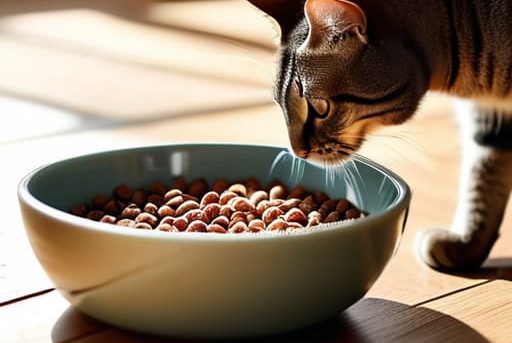
If I see one more influencer trying to sell you a $90 bag of “ancestral grain-free superfood” that looks more like compressed sawdust than actual meat, I might actually lose my mind. Most people think learning how to feed a cat properly means following the latest expensive trend or reading a dozen conflicting blogs written by people who have never actually seen a cat with a kidney crisis. I’ve spent thirty years in a clinic watching owners realize—far too late—that they spent a fortune on “boutique” kibble while their cat was actually starving for moisture.
I’m not here to sell you a subscription box or a miracle supplement. I’m going to tell you what the biology actually requires, what the bloodwork tells us, and exactly where you can save your money and where you absolutely cannot afford to skimp. We’re going to talk about calories, hydration, and the real difference between a picky eater and a cat in metabolic trouble. No fluff, no marketing hype—just the stuff you need to know to keep them alive and well.
Table of Contents
- Meeting Feline Nutritional Requirements Without the Marketing Fluff
- The Best Food for Indoor Cats vs the Expensive Gimmicks
- Real-World Feeding: What Actually Matters When the Bowl Hits the Floor
- The Bottom Line: What Actually Matters When You’re Standing in the Pet Food Aisle
- ## The Real Cost of "Budget" Food
- The Bottom Line on the Bowl
- Frequently Asked Questions
Meeting Feline Nutritional Requirements Without the Marketing Fluff

You can spend an hour reading the back of a bag that claims to be “grain-free, holistic, and biologically appropriate,” but most of that is just expensive adjectives designed to make you feel better about the price tag. At the end of the day, cats are obligate carnivores. They don’t care about the marketing fluff; they care about taurine, arachidonic acid, and protein. If you aren’t looking at the actual guaranteed analysis on the label, you’re just guessing. I’ve seen too many owners buy the “premium” dry kibble because the bag looks pretty, only to bring in a cat with kidney issues three years later because that kibble was essentially just compressed starch.
One of the biggest mistakes I see—and I saw it every single day in the clinic—is ignoring cat hydration and wet food ratios. Dry food is convenient, but it’s a desert. If your cat is eating nothing but kibble, you’re playing a dangerous game with their renal health. I always tell people to look for moisture. If you’re struggling to gauge how much to actually put in the bowl, use a cat food calorie calculator instead of relying on the “suggested serving” on the bag, which is usually a gross overestimation. Most cats are actually overfed, and preventing feline obesity is much cheaper than treating the diabetes that follows it.
The Best Food for Indoor Cats vs the Expensive Gimmicks
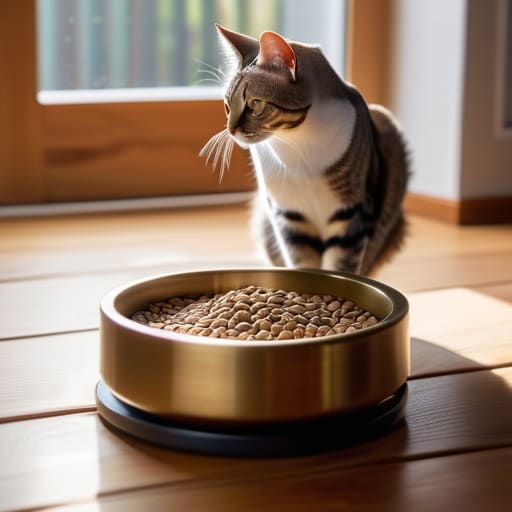
You’ll walk into any pet store and see bags of food claiming to be “grain-free,” “ancestral,” or “human-grade.” Most of that is just expensive packaging designed to make you feel better about your purchase. If you have an indoor cat, your biggest enemy isn’t a lack of exotic bison meat; it’s a lack of movement. Indoor cats are prone to sedentary lifestyles, which makes preventing feline obesity a daily battle of math rather than brand names. I’ve seen too many “premium” kibbles that are so calorie-dense a single cup turns a healthy ten-pound cat into a ten-pound-plus-two-pounds disaster within a year.
Don’t get caught up in the marketing fluff; look at the protein-to-carb ratio and, more importantly, the moisture content. I always tell people that cat hydration and wet food are non-negotiable for indoor cats. Relying solely on dry kibble is a fast track to urinary crystals or kidney issues down the line. If you’re struggling to figure out how much to actually put in the bowl, use a cat food calorie calculator instead of eyeballing it. A handful of food might look small to you, but for a cat, it’s the difference between a healthy weight and a metabolic crisis.
Real-World Feeding: What Actually Matters When the Bowl Hits the Floor
- Stop treating “grain-free” like a magic wand. I’ve seen plenty of cats on grain-free diets develop heart issues because the manufacturer swapped the grain for cheap peas and lentils to bulk it up. Look at the actual ingredient list, not the shiny label; if the first three things are corn, wheat, or soy, put it back. If it’s a high-protein kibble with a decent meat source, it’s fine.
- Hydration isn’t optional, especially for cats. They are desert animals by evolution; they aren’t built to get all their moisture from a dry pebble in a bowl. If you’re only feeding dry food, you’re asking for kidney disease or crystals down the line. I always tell people to mix in a little warm water or, better yet, switch to canned food. Wet food is much harder to “cheat” on when it comes to hydration.
- Watch the weight, because “chonky” isn’t a cute personality trait—it’s a death sentence for a cat’s joints and pancreas. If you can’t feel your cat’s ribs without pressing hard, they’re overweight. I used to weigh every patient in kilograms to be precise, and even a half-kilo difference on a small cat is a massive deal. If they’re gaining weight, cut the treats and stop letting them graze 24/7.
- The “free feeding” trap. Leaving a mountain of kibble out all day is easy, but it’s how you lose track of how much they’re actually eating. If a cat stops eating, you need to know immediately. If the bowl is always full, you won’t notice they’ve skipped a meal until they’re lethargic and you’re looking at a $500 vet bill for hepatic lipidosis. Controlled portions make monitoring much easier.
- Treat them like individuals, not a demographic. A senior cat with dental issues needs soft food, even if the bag says “Adult Formula.” A kitten needs calories, not a “weight management” diet. Don’t just follow the generic advice on the back of the bag; if your cat is acting sluggish or their coat looks dull, their food isn’t working, and you need to talk to your vet before it turns into a crisis.
The Bottom Line: What Actually Matters When You’re Standing in the Pet Food Aisle
Stop looking at the pictures of real salmon on the bag; look at the guaranteed analysis and the first five ingredients. If the first thing listed is “corn gluten meal” or “meat by-products” and the protein percentage is under 30%, you’re paying for filler that’s going to end up as expensive, mushy stool and potentially contribute to urinary crystals later on.
Monitor the weight, not the hunger. A cat that’s begging for food isn’t necessarily a hungry cat; they’re often a bored cat or a cat with metabolic issues. If you can’t feel your cat’s ribs without pressing hard, you’re overfeeding, and a heavy cat is a cat heading toward diabetes or joint failure—and those vet bills are significantly higher than the cost of a better bag of food.
Know the difference between “picky” and “pathological.” If your cat skips one meal, they’re being a brat; if they skip two full days, they are in a medical crisis. Cats can develop hepatic lipidosis (fatty liver disease) incredibly fast when they stop eating, and once that starts, you aren’t looking at a bag of treats to fix it—you’re looking at a $1,500 hospitalization.
## The Real Cost of "Budget" Food
“Stop looking for the prettiest bag on the shelf and start looking at the ingredient list; I’ve spent thirty years seeing the clinical fallout of ‘bargain’ diets, and believe me, the money you save at the grocery store today is exactly what you’ll be paying the vet in kidney disease treatments and specialized diets three years from now.”
Marlene Ostrowski
The Bottom Line on the Bowl
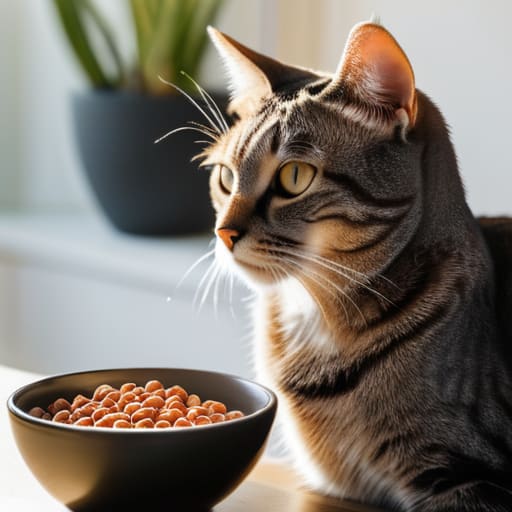
At the end of the day, feeding your cat isn’t about chasing the newest “grain-free” trend or spending half your paycheck on a bag of food that promises miracle results. It is about the boring, fundamental stuff: high protein, controlled calories, and enough hydration to keep their kidneys from failing in five years. You need to watch their weight like a hawk—if you can’t feel their ribs without a struggle, you’re feeding them too much. Remember, a sudden change in appetite or a refusal to eat for more than twenty-four hours isn’t just a “picky phase”; it is a medical red flag that requires a vet, not a new brand of treats. Don’t get distracted by the fancy packaging and ignore the actual ingredient list.
I’ve spent three decades watching cats age, and the ones that make it into their late teens with decent quality of life almost always have one thing in common: owners who paid attention to the small, daily details of their nutrition. You don’t have to be a perfect nutritionist, and you certainly don’t need a massive bank account to do right by them. You just need to be observant and consistent. Feeding your cat well is one of the most direct ways you can show them love, and while it might feel like a chore sometimes, it is the foundation for every healthy year they have left with you.
Frequently Asked Questions
My cat is a picky eater and refuses the expensive wet food I bought; should I keep trying or is this a sign of an underlying medical issue?
First, check the basics: is the food room temperature or slightly warmed? Cats rely heavily on scent. If they can’t smell it, they won’t eat it. However, if your cat hasn’t eaten a full meal in 24 hours, or if they are acting lethargic, stop playing picky eater games and call the vet. Anorexia in cats can trigger hepatic lipidosis—liver failure—fast. If it’s just a refusal of one brand, try a different protein; if it’s a total shutdown, that’s an ER visit.
How much does a monthly budget for high-quality canned food actually look like compared to the cheap kibble?
Let’s look at the math, because “quality” is a vague word until you see the receipt. If you’re feeding a 4kg cat a budget kibble, you might spend $30 a month. If you switch to high-quality canned food—the kind where the first ingredient isn’t “corn”—you’re looking at closer to $80 or $100. It’s a jump. But in my experience, that extra $60 a month is a lot cheaper than the $2,000 bill for treating chronic kidney disease or obesity-related diabetes later.
If I want to transition my cat to a raw diet, how do I do it without causing a massive GI upset or a trip to the ER?
Don’t just swap the bowl overnight; you’ll end up with a cat that has explosive diarrhea and a very expensive vet bill for dehydration. Start by mixing 25% raw with 75% their current food, increasing the ratio by about 10% every few days. Watch the stool closely. If it goes from firm to mushy, back off. Also, if you’re making it yourself, you better be measuring vitamins precisely—imbalances are silent killers.