
I’ve spent three decades watching people walk into my clinic at 2:00 AM, eyes wide and frantic, because they thought “pet proofing” meant buying expensive, designer-labeled pet gates and organic chew toys. They spent a fortune on the aesthetics while leaving a half-empty bottle of concentrated floor cleaner under the sink or a stray chocolate bar on the coffee table. If you’re looking for a lifestyle blog filled with cute wicker baskets and overpriced gadgetry, you’ve come to the wrong place; this isn’t a complete guide to pet proofing a home designed to make your living room look like a magazine spread. I’m interested in the real hazards—the things that actually end up in a syringe or require a $3,000 emergency laparotomy to remove.
I’m going to skip the fluff and give you the checklist that actually matters, based on what I’ve seen on the exam table. We are going to talk about the specific toxins that cause rapid organ failure, the household items that are deceptively lethal, and exactly which “safety” trends are a total waste of your money. My promise to you is simple: I will tell you what is a minor inconvenience and what is a life-or-death emergency, so you can stop guessing and start protecting.
Table of Contents
- Toxic Foods for Dogs and Cats Whats Actually Lethal
- Securing Electrical Cords for Pets Before the Damage Begins
- The Stuff You Won't Think About Until You're Sitting in an ER Waiting Room
- The Bottom Line: What You Can't Afford to Ignore
- The Real Cost of "I'll Fix It Tomorrow"
- The Bottom Line
- Frequently Asked Questions
Toxic Foods for Dogs and Cats Whats Actually Lethal
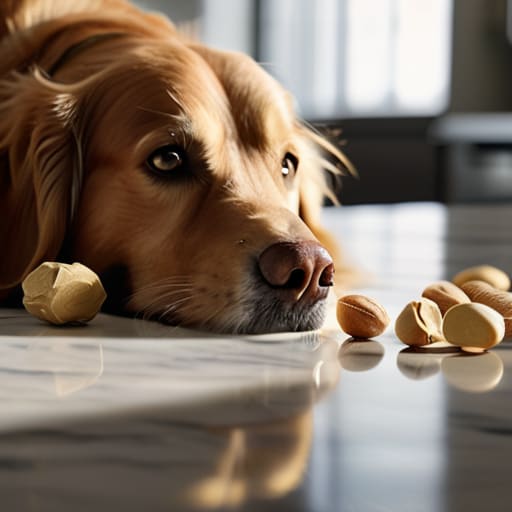
Look, I’ve spent enough shifts in the ER to know that most “emergencies” start with a person thinking, “Oh, it’s just a little piece of chocolate, he’ll be fine.” They aren’t fine. When we talk about toxic foods for dogs and cats, I’m not talking about a stray piece of broccoli. I’m talking about Xylitol—that sugar substitute in peanut butter and gum—which can drop a dog’s blood sugar and cause liver failure before you even get them into the car. Then there’s the classic: grapes and raisins. Even a single one can cause acute kidney failure in some dogs. If your pet eats these, you aren’t waiting for a symptom to show up; you are heading to the vet immediately.
It’s not just the obvious stuff, either. People forget about onions, garlic, and even certain spices that can cause hemolytic anemia. I’ve had owners come in crying because they thought a “natural” diet was safer, only to realize they were feeding their cat something that was essentially slow-acting poison. If you’re looking to create a truly petproof home, you need to treat your kitchen counters like a high-security zone. If it isn’t 100% safe, it shouldn’t be within reach of a nose.
Securing Electrical Cords for Pets Before the Damage Begins

I’ve spent enough nights in an emergency clinic to know that a “little chew” isn’t just a destroyed cable; it’s a frantic, expensive trip for an IV under anesthesia and a terrifying wait to see if the heart rhythm holds. When you’re securing electrical cords for pets, don’t just assume a heavy piece of furniture will hide them. A curious puppy or a bored teenager of a cat can wedge a nose into a gap you didn’t even know existed. I always tell people to use hard plastic cord protectors or split loom tubing. It’s not about aesthetics; it’s about creating a physical barrier that a set of teeth can’t penetrate.
If you think you’ve done enough, remember that there is a real difference between a childproof vs petproof home. A toddler might be deterred by a locked cabinet, but a determined terrier will chew through almost anything to get to the copper underneath. If you can’t hide the cord, buy the heavy-duty braided covers. They aren’t cheap, but they are significantly less expensive than a $2,000 emergency bill for an electrical burn to the mouth and throat.
The Stuff You Won't Think About Until You're Sitting in an ER Waiting Room
- Get your cleaning supplies off the floor and out of the reach of curious noses. I can’t tell you how many times I’ve seen a puppy come in with chemical burns on their tongue because someone left a bottle of multi-surface cleaner on the bottom shelf of a pantry. If it’s under the sink, it needs a childproof latch or a lock—and don’t tell me your dog “doesn’t do that,” because they do.
- Watch your houseplants like a hawk. People spend a fortune on beautiful greenery only to realize their new Monstera or Peace Lily is basically a slow-motion poison pill for their cat. Check the ASPCA list before you buy anything; a little bit of leaf chewing might just turn into a massive vet bill for gastric upset or, worse, kidney failure.
- Secure your trash cans. It sounds trivial until you’re paying a $400 emergency exam fee because your dog decided to scavenge a chicken bone or, heaven forbid, a discarded medication packet. If you have a scavenger, get a bin with a heavy, locking lid. It’s cheaper than a surgical intervention.
- Mind the small objects—the “it’s just a bead” fallacy. I have seen more intestinal obstructions caused by a single stray earring or a swallowed LEGO than almost anything else. If it can fit in a mouth, it can get stuck in an intestine, and once it’s in there, you aren’t looking at a pill; you’re looking at an ultrasound and potentially an expensive abdominal surgery.
- Check your “low-level” hazards like loose threads and dangling cords. It’s not just about electricity; it’s about the drawstring on a hoodie or a loose piece of twine from a package. A kitten or a puppy can get a thread caught around their neck or, worse, swallow it, which can lead to a linear foreign body—a nightmare scenario where the intestine starts bunching up like a drawstring bag.
The Bottom Line: What You Can't Afford to Ignore
Learn the difference between a “wait and see” symptom and an immediate ER trip; if your pet ingests something toxic, don’t waste time on Google or home remedies—call the vet or head to the clinic immediately.
Budget for the “oops” moments; pet-proofing isn’t just about safety, it’s about avoiding the $3,000+ emergency bills that come from swallowed foreign objects or toxic ingestions.
Stop treating pet safety like a checklist for later; if a cord is exposed or a chemical is reachable, it is a problem that needs fixing today, not when you have a free weekend.
The Real Cost of "I'll Fix It Tomorrow"
People think pet-proofing is about being organized, but it’s actually about preventing the $3,000 emergency vet visit that happens at 2:00 AM because you left a bottle of ibuprofen on the nightstand or a loose drawstring hanging from the crib. I’ve spent too many nights scrubbing blood off an exam table to tell you that ‘being careful’ isn’t a safety plan; securing your home is the only way to make sure you aren’t paying for your procrastination with your pet’s life.
Marlene Ostrowski
The Bottom Line

Look, I know it feels like you’re turning your home into a padded cell, but that’s exactly what it is. We’ve covered the big stuff: the toxins that will land you in a $2,000 emergency vet bill by midnight, the cords that turn a bored puppy into a casualty, and the small gaps that swallow a cat whole. It isn’t just about tidying up; it’s about eliminating the variables that lead to a frantic, middle-of-the-night drive to the ER. If you’ve secured your trash, checked your plants, and tucked away those loose wires, you’ve already done more than most owners to prevent the kind of preventable tragedies I spent thirty years seeing in my clinic.
At the end of the day, pet proofing isn’t about being a perfect owner—it’s about being a prepared one. You are going to miss something eventually; I’ve seen even the most careful people slip up. But if you build these habits now, you aren’t just protecting your wallet from massive vet invoices, you are protecting the life of your companion. Go do a walkthrough of your house right now, get down on your hands and knees at their eye level, and see what they see. It’s the most important thing you’ll do for them all week.
Frequently Asked Questions
If my dog swallows a small piece of a plastic toy or a bit of a household plant, how do I know if it's a "wait and see" situation or an immediate trip to the emergency vet?
If it’s a soft leaf of a non-toxic plant, you’re likely looking at a little upset stomach and some expensive stool. But if he swallowed a sharp piece of plastic or something from a Lily or Sago Palm, stop reading this and grab your keys. If he’s vomiting, acting lethargic, or straining to go, that’s not a “wait until Monday” situation—that’s an emergency. An ER visit for a blockage or toxin will easily run you $500–$1,500 before they even start treatment. Don’t gamble.
I've heard about certain common cleaning supplies being toxic, but how much of a spill or ingestion is actually enough to cause organ failure?
There is no “safe” amount when it comes to concentrated cleaners. If a 5kg cat licks a puddle of bleach, you aren’t looking at a stomach ache; you’re looking at chemical burns to the esophagus. For things like essential oils or xylitol, even a tiny amount can trigger a crisis. Don’t play chemist. If they ingest it, don’t wait for symptoms to appear. Call the ER immediately. By then, the damage is already done.
Beyond the obvious things like chocolate or wires, what are the "hidden" household items that people constantly forget to secure but end up costing them thousands in vet bills?
It’s rarely the chocolate; it’s the stuff sitting in your junk drawer. I’ve spent way too many late shifts treating dogs that ate Ibuprofen or Tylenol because they thought it was a snack. Then there’s the “natural” stuff—lilies for cats are absolute killers, and essential oil diffusers can cause real respiratory distress. Even certain houseplants like Sago Palms are a death sentence. If it’s small, colorful, or smells “good,” keep it behind a closed door.