I remember sitting on a linoleum floor in a dimly lit exam room, holding a trembling, parvo-stricken puppy while the owner sobbed because they thought they’d “done everything right” with the shots. It’s the hardest part of this job: watching someone realize that a piece of paper from the vet isn’t a guarantee of immortality. People get so caught up in the debate over whether to vaccinate or not that they miss the actual mechanics of how vaccines protect and when they do not. A vaccine is a training manual for the immune system, not a magic shield, and if you don’t understand the difference between a breakthrough infection and a total failure, you’re going to be blindsided when things go sideways.
I’m not here to sell you on a specific brand or lecture you with textbook jargon that sounds like it was written by a committee. I’m going to tell you what those shots actually do, why they sometimes fail, and—most importantly—which symptoms mean you need to head to the ER immediately. I’ll give you the straight truth about the efficacy and the costs, without the fluff, so you can make a decision based on reality rather than internet rumors.
Table of Contents
- The Reality of Immune System Memory
- Why Pathogen Mutation Changes the Rules
- Five Things I Wish Every Client Understood Before They Left the Exam Room
- The Bottom Line: What You Need to Know Before Your Next Vet Visit
- ## The Safety Net Isn't a Shield
- The Bottom Line on Protection
- Frequently Asked Questions
The Reality of Immune System Memory
Think of your pet’s immune system like a library. When they get a vaccine, it’s like handing the librarian a “Most Wanted” poster. The body studies that poster, learns the face of the enemy, and files it away under immune system memory. If that specific virus ever tries to walk through the door, the body recognizes it immediately and shuts it down before the pet even feels a sniffle. That is the goal, and for most core shots, it works beautifully.
But here is the part people get tripped up on: libraries can get dusty, and sometimes the books get misplaced. This is what we call waning vaccine effectiveness. Over time, those “Most Wanted” posters can fade. The memory is still there, but the response isn’t as sharp as it was during the initial booster series. This is why we see vaccine breakthrough infections—the virus sneaks in because the body’s reaction was just a little too slow to catch it. It’s not that the vaccine failed its job; it’s that the protection wasn’t maintained at the level needed to keep the door locked.
Why Pathogen Mutation Changes the Rules

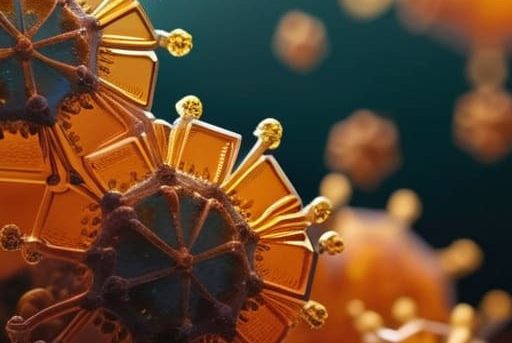
Here is the reality: viruses and bacteria aren’t sitting still waiting for your pet’s booster shot to catch up. They are constantly shifting, and when we talk about pathogen mutation and vaccine response, we’re talking about a moving target. Think of a vaccine like a “Wanted” poster. It tells the immune system exactly what the criminal looks like. But if the virus decides to put on a mask or change its coat, your pet’s immune system might look right at it and go, “Nope, not the guy I’m looking for.”
This is where you see those frustrating vaccine breakthrough infections. It’s not necessarily that the vaccine failed or that your dog is “unvaccinated” in spirit; it’s just that the biological lock and key don’t match as perfectly as they did three years ago. You’ll hear people online panicking about waning vaccine effectiveness, but often, it’s just the virus playing defense. You can’t prevent every single sniffle, but you can ensure the immune system has enough of a head start to keep the infection from turning into a full-blown, hospital-stay-level crisis.
Five Things I Wish Every Client Understood Before They Left the Exam Room
- Don’t mistake a “breakthrough” for a “failure.” If your dog is vaccinated against Parvo and still gets sick, it’s a catastrophe; if they’re vaccinated against Bordetella and still coughs, it’s just a nuisance. Vaccines are built for different levels of threat, and you need to know which one you’re actually fighting.
- Watch the “window of vulnerability” in puppies. I’ve seen too many owners think a single shot at eight weeks makes a puppy bulletproof. It doesn’t. You are essentially building a bridge while the enemy is already crossing it; you have to keep dosing until their own immune system actually takes the baton.
- Cost is a factor, but so is the “over-vaccination” trap. I’ve had owners come in wanting every single thing on the menu because they’re afraid of missing something. Most of the time, you’re paying for unnecessary boosters that won’t change the outcome, but you should never, ever skip the core ones—Rabies and Distemper are non-negotiable.
- Know the difference between a reaction and an allergy. If your cat gets a little lethargic or a bit of swelling at the injection site, that’s usually just the body doing its job. But if they start vomiting or their face swells up like a pufferfish, that’s an anaphylactic emergency, and you don’t wait until Monday to call the vet.
- Vaccination status isn’t a permanent shield; it’s a subscription. Immunity wanes, especially in senior dogs like the ones I foster. If you haven’t checked their titers or their booster schedule in three years, you aren’t “protected,” you’re just hoping for the best, and hope is not a clinical strategy.
The Bottom Line: What You Need to Know Before Your Next Vet Visit
Vaccines are a safety net, not a suit of armor; they significantly lower the chance of a catastrophic infection, but they don’t make your pet invincible to every single germ on the planet.
Don’t let a “breakthrough” case trick you into thinking vaccines are useless; a vaccinated dog getting a mild case of something is a much better outcome than a non-vaccinated dog ending up in an ICU facing a $3,000 bill for intensive care.
Keep your eyes on the animal, not just the vaccination record; if your pet is lethargic, vomiting, or acting “off,” you go to the vet regardless of whether they are up to date on their shots.
## The Safety Net Isn't a Shield
“I’ve spent thirty years watching owners walk into my clinic thinking a vaccination certificate is a magic shield that makes their dog invincible. It isn’t. Think of it more like a seatbelt: it’s designed to keep them from flying through the windshield when things go sideways, but it doesn’t mean you should drive like a maniac or expect to walk away unscathed if the crash is big enough.”
Marlene Ostrowski
The Bottom Line on Protection

At the end of the day, you have to stop looking at a vaccination record as a “get out of jail free” card. We’ve talked about how immune memory works and why those pesky mutations keep moving the goalposts, but the takeaway is simple: vaccines are a layer of defense, not a suit of armor. They significantly lower the chance of a catastrophic, fast-moving illness, but they don’t make your pet invincible. If your dog is fully vaccinated and still comes in with parvo or a respiratory infection, it isn’t because the vaccine “failed” in a vacuum; it’s because the biological reality of the pathogen outweighed the current level of protection. You have to manage the risk, not just check a box on a form.
I know it’s frustrating. It feels like you’re doing everything right and still getting hit with a $1,500 emergency vet bill because of a breakthrough case. But please, don’t let that frustration turn into apathy. The goal isn’t perfection; it’s mitigating the worst-case scenario. We vaccinate so that when they do get sick, it’s a manageable hurdle rather than a fatal crash. Keep your vet in the loop, keep an eye on those subtle changes in behavior, and remember that informed caution is the best tool you have in your kit. You’re doing the work, and that’s what matters.
Frequently Asked Questions
If my dog is fully vaccinated but still gets sick, am I just wasting my money on these shots?
No, you aren’t wasting your money, but you are paying for insurance, not a guarantee. Think of it like a seatbelt: it doesn’t stop the car crash, but it keeps you from flying through the windshield. If your dog catches something despite being vaccinated, the shot usually means they’re fighting a manageable illness instead of dying of Parvo by Tuesday. You’re paying to keep the stakes low, not to make them invincible.
How do I know if my cat is having a minor reaction to a vaccine or if I need to rush them to the ER?
Look, there’s a difference between a sleepy cat and a dying one. If your cat is just a little lethargic or has a tiny bump at the injection site, you can usually wait until morning. But if you see facial swelling—eyes puffy, muzzle looking thick—or if they start vomiting or struggling to breathe, stop reading this and go to the ER. Anaphylaxis doesn’t wait for business hours, and neither should you.
Is it actually worth paying for the expensive "core" boosters if my pet never even leaves my backyard?
Look, I hear this every week. You think because your dog is a couch potato in a fenced yard, he’s safe. But viruses don’t respect property lines. A neighbor’s dog walks past your gate, or a stray slips through a gap, and suddenly your “safe” backyard is a delivery system. Those core boosters—Distemper, Parvo, Rabies—are non-negotiable. They aren’t lifestyle choices; they’re insurance against things that kill quickly and expensively. Don’t gamble on a fence.