
I spent nearly three decades watching people pour money into “boutique” weight-loss treats and overpriced, grain-free miracle kibbles, thinking they were doing something noble while their dogs slowly became unliftable. It’s a racket, and frankly, it’s dangerous. I’ve had to perform orthopedic surgeries on pets that could have easily avoided the operating table if their owners had understood the basics of caloric math instead of following a trendy influencer. If you are looking for a magic pill or a way to make your dog feel “full” while they’re actually starving, you’re in the wrong place; I’m here to talk about the unglamorous, boring reality of how to keep a pet’s weight healthy for life without draining your savings account.
I’m not going to give you a list of “superfoods” or tell you that a specific brand of expensive canned food is the holy grail. Instead, I’m going to give you the clinical truth about portion control, how to actually read a label, and when a sudden weight shift means you need to stop dieting and start calling the vet. I’ll tell you what works, what’s a waste of your paycheck, and exactly how to monitor those numbers so you aren’t caught off guard when a routine checkup turns into a crisis.
Table of Contents
Calculating Pet Caloric Needs Without the Expensive Errors

Most people think feeding their dog is just following the numbers on the back of the bag, but those bags are written for a “standard” animal that doesn’t exist. If you have a sedentary Bulldog or a high-energy Border Collie, that bag is lying to you. When I was at the clinic, I saw way too many owners who thought they were being generous, but they were actually just fueling a slow-motion health crisis. To get this right, you have to start with calculating pet caloric needs based on their actual Resting Energy Requirement (RER), not just a generic suggestion. For a 10kg cat, that math is precise; for a 40kg dog, it’s a different world.
The real trap is ignoring metabolic changes in senior pets. As they age, their engines slow down, but their appetite doesn’t always follow suit. You can’t just keep feeding them the same amount they ate at age three and expect them to stay lean. I always tell people: stop looking at the scale alone and start monitoring pet body condition score instead. Feel their ribs. If you have to press hard to find them, they’re overweight. If you can feel them easily without a layer of fat, you’re on the right track.
Monitoring Pet Body Condition Score Before It Becomes a Crisis

Stop relying on the scale alone. I’ve spent decades watching owners swear their dog “looks fine” while the animal is actually carrying an extra five pounds of fat that’s grinding down its joints. A scale tells you the number, but it doesn’t tell you the composition. You need to be monitoring pet body condition score by hand, not just by sight. Run your hands along their sides. You should be able to feel the ribs with a light touch, like the back of your hand, without a thick layer of padding obscuring them. If you have to dig through a layer of “insulation” just to find the bone, you’ve already lost the battle.
This becomes a high-stakes game as they age. You’ll see metabolic changes in senior pets that make weight management feel like a moving target; they slow down, their muscle mass drops, and suddenly that “healthy” portion from two years ago is a recipe for obesity. When I was in the clinic, the worst part wasn’t the surgery—it was the owner who realized too late that their “spoiled” senior was actually a metabolic ticking time bomb. Don’t wait for the vet to tell you they’re overweight; by then, you’re often managing consequences rather than prevention.
Five Hard Truths About the Scale and the Bowl
- Stop treating treats like a free pass. I’ve seen too many owners think that because they bought the high-end, grain-free kibble, they can toss in an extra handful of dental chews or bits of cheese without consequence. Those “little extras” can easily add up to 100 or 200 calories a day—that’s a massive chunk of a 5kg cat’s daily requirement. If you’re giving treats, you subtract that amount from their measured meal. No exceptions.
- Learn to read the “rib test” better than a spreadsheet. You don’t need a scale to tell you your dog is gaining weight; you need your hands. You should be able to feel the ribs easily under a thin layer of fat, like the back of your hand. If you have to press down to find them, or if they feel like a layer of padding under a sweater, you aren’t “feeding them well,” you’re making them work harder to breathe.
- Beware the “empty bowl” guilt trip. One of the biggest mistakes I saw in the clinic was owners overfeeding because their pet seemed “hungry.” A hungry pet isn’t always a starving pet; sometimes they are just bored or conditioned to expect more. If your dog is pacing and whining at mealtime, don’t just dump more kibble in. Add some fiber or water to the existing portion to make it more satiating, but do not increase the caloric load.
- Don’t let “healthy” supplements become hidden calories. People love buying specialized oils, powders, and toppers for their pets’ coats or joints. I get it—you want the best. But if you’re adding two tablespoons of salmon oil every single morning without adjusting the base diet, you’re essentially feeding them a side dish of pure fat. Check the calorie count on those supplements; they count just as much as the kibble.
- Schedule the “reality check” with your vet. Don’t wait for your annual exam to find out your pet has put on three pounds. Ask your vet for their specific target weight in kilograms and check it every few months. It is much cheaper—and much less stressful for the animal—to adjust a diet by 10% now than it is to manage the diabetes or joint inflammation that comes from five years of gradual obesity.
The Bottom Line: What You Can't Afford to Ignore
Stop treating “weight gain” as a slow process; if your dog’s ribs disappear under a layer of fat and they start panting while just lying down, you aren’t looking at a diet issue, you’re looking at a metabolic crisis that will cost three times as much to fix in an ER than it would at a routine check-up.
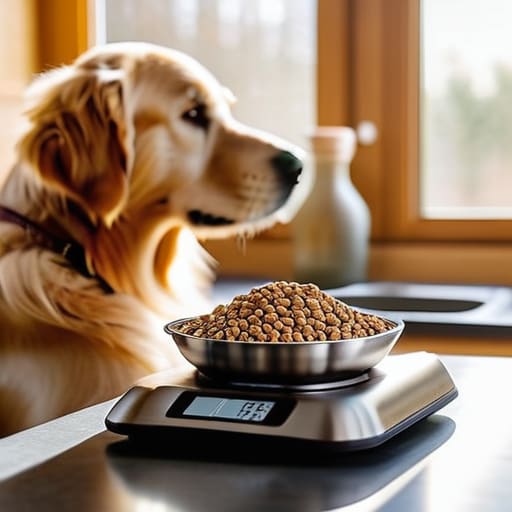
Don’t trust the bag; those calorie counts are often wildly inaccurate, so stop guessing and start measuring—if you aren’t using a digital scale to weigh their actual food in grams, you’re essentially just throwing kibble at a math problem you can’t solve.
Learn the difference between a “picky eater” and a sick animal—if a sudden drop in appetite is paired with lethargy or vomiting, skip the expensive boutique treats and get them to a vet immediately, because a pet that stops eating is usually a pet that is already fighting something significant.
The Real Cost of "A Little Extra"
I’ve spent thirty years watching owners try to negotiate with their dog’s weight, thinking a few extra treats or a slightly larger scoop won’t matter, until the day they’re standing in my exam room staring at a bill for a diabetic crisis or a heart murmur that shouldn’t be there. Keeping a pet thin isn’t about being stingy with the food; it’s about realizing that every extra pound you’re “pampering” them with is actually just a ticking clock on their joints and their organs.
Marlene Ostrowski
The Long Game
At the end of the day, managing a pet’s weight isn’t about following a trendy grain-free diet or buying the most expensive bag of kibble on the shelf. It’s about the math and the discipline. It’s knowing your dog’s resting metabolic rate, tracking those grams of protein, and actually using a Body Condition Score instead of just feeling their ribs and guessing. I’ve spent three decades watching owners realize too late that “a little extra” every day adds up to a massive systemic failure in a senior dog’s joints or a cat’s pancreas. If you can master the calorie count and stay honest about their shape, you’ve already won half the battle. Don’t wait for a vet to tell you your pet is overweight; by then, you’re often just managing the fallout of obesity rather than preventing it.
I know it feels like a chore sometimes, especially when they give you those eyes while you’re holding the measuring cup. But I want you to think about the alternative. I have sat in exam rooms with people who were mourning a pet that died from preventable metabolic complications, and the heartbreak in those rooms is heavy. Keeping them lean is the single most effective way to buy them more time in your life. It isn’t always easy, and it isn’t always fun, but consistency is the greatest gift you can give them. You aren’t just managing a number on a scale; you are protecting their ability to walk, play, and stay with you for as long as possible.
Frequently Asked Questions
My dog is acting fine but has lost his appetite; is this a weight management issue or something more serious like kidney disease?
Listen, if he’s losing weight because he’s eating less, that’s not a “diet” issue—that’s a clinical symptom. In my experience, sudden anorexia in an older dog is rarely about calories and usually about something internal. Kidney disease is a massive possibility, and it won’t wait for a scheduled appointment. Don’t try to force-feed him expensive toppers to “fix” it. Get him bloodwork done. If he’s also drinking more water than usual, go tomorrow morning.
If I switch my cat to a prescription weight management diet, how much should I expect the monthly cost to jump compared to standard kibble?
Listen, don’t let the sticker shock paralyze you, but prepare yourself: you’re looking at a significant jump. If you’re currently spending $30 a month on a standard grocery store bag, expect that to climb to $60 or even $80 for a prescription diet like Hill’s m/d or Royal Canin Satiety. It’s essentially doubling your cost. It’s frustrating, I know, but you’re paying for the precise fiber-to-protein ratio that actually works.
I’ve tried cutting back on treats, but my dog still seems ravenous—how do I tell if it's just behavior or a metabolic problem like diabetes?
There is a massive difference between a dog who’s “begging” and a dog who is truly starving. If he’s eating more but losing weight, or if he’s suddenly drinking water like he’s running a marathon, that isn’t behavior—that’s a metabolic red flag. I’ve seen too many people wait until the dog is in ketoacidosis because they thought he was just “greedy.” If the thirst and hunger are new, don’t wait for a scheduled appointment. Get the bloodwork done.