I spent twenty-eight years in a small clinic watching owners walk in with a handful of expensive, color-coded training clickers and a mountain of confusion, thinking they were doing the right thing. They’d spend sixty dollars on a “miracle” treat pouch and three hours a day trying to follow some influencer’s video, only to end up with a dog that ignores them the second they step outside. The truth is, most people make this way too complicated because they think there’s a secret formula, but learning how to use positive reinforcement properly isn’t about the gear you buy; it’s about understanding the timing of a reward and the biology of why your dog is actually looking at you.
I’m not here to sell you a subscription to a training app or tell you that a specific brand of freeze-dried liver is the magic key to obedience. I’ve seen enough nervous animals and frustrated owners to know that what you actually need is a realistic way to communicate that doesn’t involve shouting or expensive gimmicks. I am going to give you the straight-up, clinical reality of what works, what’s a waste of your time, and how to actually build a connection that lasts longer than a single session in the living room.
Table of Contents
- Mastering Operant Conditioning Principles Beyond the Youtube Tutorials
- Effective Reward Systems That Actually Work in Real Life
- Five Things the Internet Won't Tell You About Training for Real
- The Reality Check: What You Actually Need to Remember
- The Difference Between Rewarding and Just Being a Pushover
- The Long Game
- Frequently Asked Questions
Mastering Operant Conditioning Principles Beyond the Youtube Tutorials
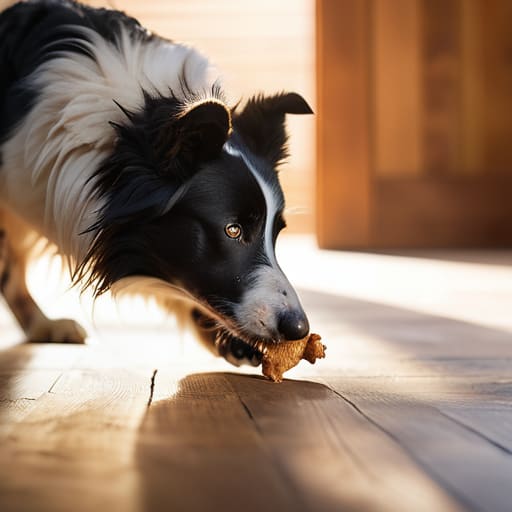
Look, you can watch a thousand hours of high-production training videos, but they won’t teach you the nuance of timing. In the clinic, I saw owners try to “reward” a dog that was actually just displaying a displacement behavior—like a nervous lick or a paw flick—because they thought they were being positive. That’s not training; that’s accidental conditioning. To actually master operant conditioning principles, you have to understand that the reward must hit the millisecond the desired behavior occurs. If you’re three seconds late with that piece of chicken, you aren’t reinforcing the sit; you’re just teaching the dog that sitting is the precursor to a snack, which leads to a lot of frustrated barking.
It’s also about your reinforcement schedules. If you treat your dog like a vending machine where every single action gets a jackpot, they’ll eventually stop working when the treats run dry. You need to transition from continuous rewards to a variable schedule once the behavior is solid. I’ve seen too many people fall into the trap of the consequences of improper reinforcement, where they accidentally reward the “wrong” behaviors by being inconsistent. It’s not about being a drill sergeant; it’s about being precise.
Effective Reward Systems That Actually Work in Real Life
Most people think a reward system is just a bag of chicken liver and a “good boy.” If that’s your plan, you’re going to hit a wall. In the clinic, I saw owners try to fix aggression or house training with random treats, only to end up with a dog that ignored them unless they were holding a steak. To build effective reward systems, you have to understand reinforcement schedules. If you reward your dog every single time they sit, they’ll learn fast. But if you want that behavior to stick when there’s a squirrel or a delivery driver in the driveway, you eventually have to move to an intermittent schedule—essentially gambling with them so they keep working for that occasional jackpot.
It’s also about timing, and I mean split-second timing. If your dog does something right and you wait three seconds to reach for the treat, you aren’t rewarding the behavior; you’re just rewarding the fact that you finally stopped moving. This is where most people fail at shaping behavior through praise or food. If the reward doesn’t land at the exact moment of the action, you’re just creating noise. You have to be precise, or you’re just wasting your time and theirs.
Five Things the Internet Won't Tell You About Training for Real
- Timing isn’t a suggestion; it’s the whole point. If your dog sits and you wait three seconds to reach for the treat bag, you aren’t rewarding the sit—you’re rewarding the moment they look up at you wondering where the food went. In the clinic, we call it precision, and in your living room, it’s the difference between a trained dog and a confused one.
- Stop using the same “high-value” treat for everything. If you use a piece of boiled chicken for a simple “sit” in the kitchen, that chicken loses its magic by Tuesday. Save the real stuff—the freeze-dried liver or the smelly bits—for the hard stuff, like walking past a distracted squirrel or meeting a new person.
- Learn to read the “shut down.” I’ve seen plenty of owners think their dog is “focusing” when really the animal is just frozen in fear or cognitive overload. If the ears go flat, the tail tucks, or they stop taking the treats, you’ve pushed too hard. Positive reinforcement isn’t a hammer; if they aren’t participating, you’re just barking at a wall.
- Variable reinforcement is how you actually make it stick. If you give a treat every single time a dog does something, they become “bribe-dependent”—they won’t move unless they see the hand go to the pocket. Once they’ve mastered a command, switch to a gambling model: sometimes they get the jackpot, sometimes they just get a “good boy” and a pat. That unpredictability is what keeps them working when you don’t have a pocket full of snacks.
- Don’t ignore the “bad” stuff while focusing on the “good.” You can’t just reward the sits and ignore the jumping. If you’re rewarding the good behavior but letting the bad behavior slide because you’re “trying to stay positive,” you’re actually teaching them that the bad behavior is a free pass. You don’t have to be mean, but you do have to be consistent, or you’re just wasting your own time.
The Reality Check: What You Actually Need to Remember
Stop treating treats like candy; if you aren’t controlling the timing and the value of the reward, you aren’t training, you’re just participating in a chaotic snack session that teaches your dog nothing.
Consistency isn’t a suggestion, it’s the baseline—if you let a behavior slide once because you’re tired or in a hurry, you’ve just spent the last twenty minutes teaching them that your rules are actually optional.
Watch for the “shutdown”—if your dog stops engaging or looks stressed, you’ve pushed too hard or used a reward that isn’t working, and at that point, you need to stop the session entirely rather than trying to power through.
The Difference Between Rewarding and Just Being a Pushover
“If you’re just tossing treats every time your dog breathes in your general direction, you aren’t training them; you’re just paying them to be a nuisance. Real reinforcement is about timing—catching that exact micro-second of a good choice—and if you can’t be consistent with the value of your reward, don’t be surprised when your dog decides your ‘training’ isn’t worth the effort.”
Marlene Ostrowski
The Long Game
Look, if you’ve followed what I’ve said, you know that positive reinforcement isn’t just about waving a bag of chicken bits around whenever your dog sits. It’s about understanding the timing, recognizing that a reward given three seconds too late is just a random event, and knowing that consistency is the only thing that actually builds a reliable behavior. You have to move past the surface-level tutorials and start paying attention to the nuance—the way your pet’s ears twitch or the way they look to you for direction. It takes more work than just yelling “No!” when they jump, but it’s the difference between a dog that obeys out of fear and a dog that actually understands the language you’re speaking.
At the end of the day, you aren’t just training a set of behaviors; you are building a relationship. I’ve spent thirty years watching people struggle with animals they didn’t truly connect with, and I’ve seen how much easier life becomes when that connection is built on trust rather than intimidation. It won’t always be easy, and there will be days when you feel like you’re getting nowhere, but don’t give up on the process. You are teaching them how to navigate their world alongside you, and when it finally clicks, that bond is worth every bit of the effort you’re putting in right now.
Frequently Asked Questions
My dog only responds to treats when he's hungry, so am I actually training him or just bribing him?
Here’s the truth: right now, you’re bribing. A bribe is something you hold out to get them to do the behavior; training is rewarding them after they’ve done it. If he won’t move unless the chicken is in your hand, he’s just negotiating. To fix this, start fading the food and move to life rewards—a tug on the leash, a favorite ball, or even just your undivided attention. You want him working for the connection, not just the calories.
How do I know if my dog is actually learning something or if he's just "shutting down" and acting submissive because he's overwhelmed?
Look for the “wiggle.” If your dog is learning, you’ll see a focused, albeit slightly confused, engagement—ears twitching toward you, eyes searching for the next cue. If he’s shutting down, he’ll go limp, avoid eye contact, or start “pancaking” against the floor. That isn’t politeness; it’s a physiological freeze response. If he’s staring at the ceiling or licking his lips incessantly, stop the session immediately. You aren’t training anymore; you’re just stressing him out.
I've tried using high-value rewards like chicken, but he still ignores me for a squirrel; at what point do I admit this specific reinforcement method isn't going to work?
If he’s ignoring chicken for a squirrel, you aren’t dealing with a “reward” problem; you’re dealing with a distraction problem. In my experience, if the environment is too high-stakes, no amount of boiled poultry will bridge that gap. Stop trying to compete with the squirrel in the open yard. Move back to the porch, then the driveway, then the sidewalk. You don’t change the treat; you change the distance from the distraction.