I’ve spent thirty years watching people stare at a Google search result for “how to handle urinary problems” while their cat is literally screaming in a litter box, hoping a miracle supplement or a specialized water fountain will fix a life-threatening blockage. Let me tell you something: no amount of expensive, boutique “urinary support” kibble is going to do the job of a catheter and a vet technician when a male cat is truly obstructed. I have seen too many owners spend a fortune on unproven wellness powders only to end up in the ER at 2:00 AM, paying triple for an emergency visit because they tried to “manage” a crisis at home instead of recognizing a true medical emergency.
I am not here to sell you a lifestyle brand or a magic pill. I am here to tell you exactly what a bladder stone looks like versus a simple UTI, and more importantly, how to tell the difference before it’s too late. I will give you the clinical reality of what these issues cost, which symptoms mean you can wait for your regular vet on Monday, and which ones mean you need to grab your keys right now.
Table of Contents
- Spotting Urinary Tract Infection Symptoms Before They Turn Fatal
- Recognizing Signs of Urinary Retention That Demand Immediate Care
- Five Things to Do While You’re Waiting for the Vet (and Three Things Not to Do)
- The Bottom Line: When to Act and What to Expect
- The Cost of Waiting
- The Bottom Line on Bladder Health
- Frequently Asked Questions
Spotting Urinary Tract Infection Symptoms Before They Turn Fatal

Most people think a UTI is just a little discomfort, but in the veterinary world, we know it’s a spectrum that ranges from “annoying” to “life-threatening.” You’ll start seeing the early urinary tract infection symptoms like licking at the genital area more than usual or a slight change in the smell of the urine. If your cat is just going more often but the volume is normal, you have a little breathing room to call your vet in the morning.
However, there is a massive, terrifying difference between frequent urination and signs of urinary retention. If I ever saw a male cat—especially a neutered tom—straining in the litter box with nothing but a few drops or nothing at all coming out, I wouldn’t even finish my coffee before heading to the ER. That is a complete blockage. It’s a medical emergency that can cause kidney failure or a ruptured bladder in a matter of hours. If they are straining and nothing is happening, you don’t wait for an appointment; you go tonight.
Recognizing Signs of Urinary Retention That Demand Immediate Care
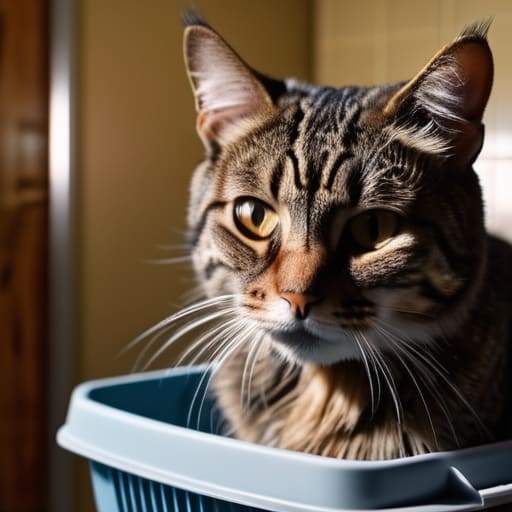
There is a massive difference between a cat that is just “having some trouble” and a cat that is dying of a blockage. If you see your pet—especially a male cat—straining in the litter box with nothing coming out, or perhaps just a few pathetic drops, you aren’t looking at a simple case of managing frequent urination. You are looking at a medical emergency. This is the most terrifying thing for an owner to witness, and it is the one time I tell people to stop Googling and start driving.
The signs of urinary retention are often accompanied by vocalization; if they are yowling or crying while trying to go, that is pain, plain and simple. You might see them licking their genital area incessantly or acting uncharacteristically lethargic. If they haven’t produced urine in twelve hours, their kidneys are under siege and toxins are backing up into their bloodstream. This isn’t something you can manage with bladder irritation relief supplements or a change in diet. This is a “get to the emergency clinic before the doors close” situation, or you’ll be paying for a much more expensive, much sadder conversation by morning.
Five Things to Do While You’re Waiting for the Vet (and Three Things Not to Do)
- Start a log immediately. Don’t just tell the vet “he’s peeing a lot”; tell them “he’s going 14 times a day and the volume is roughly the size of a tablespoon.” If you can, weigh the litter box or use a measuring cup for the urine. I’ve seen vets make a much faster diagnosis when they have actual numbers instead of “he seems off.”
- Watch the blood, but don’t panic over a single drop. A little pink in the litter box is common with cystitis, but if the urine looks like fruit punch or there are actual clots, that moves up the priority list. That’s not a “wait and see” situation; that’s a “call the clinic now” situation.
- Stop the “home remedy” madness. I know there are forums claiming apple cider vinegar or cranberry supplements will fix a blockage, but if your cat is truly obstructed, you are just wasting precious hours and money. By the time the toxins hit their bloodstream and their kidneys start shutting down, your bill is going to be triple what it would have been if you’d just gone in early.
- Check the hydration levels yourself. If you aren’t sure if they’re dehydrated, pinch the skin between their shoulder blades. If it doesn’t snap back instantly and stays in a little “tent,” they are dehydrated. This is common with UTIs because they’re in pain, but it’s a sign you need to get them on fluids sooner rather than later.
- Keep a close eye on appetite and lethargy. If a pet with urinary issues stops eating or starts hiding in the back of the closet, the infection might be systemic or they might be in significant pain. A pet that isn’t eating is a pet that is losing the fight.
The Bottom Line: When to Act and What to Expect
If you see your cat straining in the litter box with nothing but a few drops or blood coming out, don’t wait for an appointment; that is a medical emergency that can turn fatal in 24 to 48 hours.
Expect to pay for the “emergency” part of the visit; an initial ER exam for a urinary blockage can easily run you $150 to $300 before they even start running bloodwork or ultrasound.
Stop looking for “natural” flushing remedies online—if there is a physical blockage, no amount of cranberry juice or extra water is going to clear it, and you’ll just be wasting precious hours.
The Cost of Waiting
“I’ve sat in exam rooms with owners who spent three days Googling ‘natural remedies’ for a cat that wasn’t passing urine, only to realize that by the time they finally called us, they weren’t looking at a simple infection anymore—they were looking at a kidney crisis and a four-figure emergency bill. If they are straining and nothing is coming out, stop searching for a home remedy and start looking for your car keys; a bladder blockage isn’t something you ‘manage’ at home, it’s something you survive by getting to a vet immediately.”
Marlene Ostrowski
The Bottom Line on Bladder Health
Look, I know it’s easy to see a little extra blood in the litter box or a few accidents on the rug and think it’s just an age thing or something a bit of cranberry extract might fix. It isn’t. We’ve talked about the difference between a standard UTI—which needs antibiotics and a scheduled vet visit—and the absolute nightmare of a urinary blockage. If your male cat is straining, crying in the litter box, or licking his underside incessantly, you aren’t looking at a “wait and see” scenario. You are looking at a life-threatening emergency that will cost you significantly more in ER fees if you wait until the morning. Keep your eyes on the output, know your pet’s normal baseline, and don’t let pride or a desire to save a few dollars keep you from calling the vet when the symptoms scream for help.
At the end of the day, being a good pet parent isn’t about having all the medical answers; it’s about having the sense to know when you aren’t the one who should be providing them. I spent three decades watching people try to “tough it out” with their animals, and it almost always ended with a much heavier heart and a much higher bill. You don’t need to be a vet to protect your dog or cat; you just need to trust your gut and observe the patterns. When you act quickly, you aren’t just managing a symptom—you are protecting their quality of life. Now, go check your cat’s water bowl and make sure they’re actually drinking.
Frequently Asked Questions
How much is this actually going to cost me—between the exam, the urinalysis, and the antibiotics, what am I looking at for a standard UTI?
Look, I know the question you’re really asking. You want a number so you can decide if you can afford to care. For a standard UTI, expect to pay between $250 and $450. That includes the exam fee (usually $60–$90), a urinalysis to actually see what’s in there ($70–$120), and the antibiotics. If it’s a simple course, you’re looking at $50–$80 for the meds. If they need culture and sensitivity, add another $300.
Can I just use cranberry supplements or something from the grocery store to clear this up until I can get to the clinic?
Look, I get it. You’re staring at a pharmacy aisle or a supplement bottle, hoping for a cheap fix. But here is the reality: cranberry supplements might help prevent bacteria from sticking to a bladder wall in a healthy cat, but they won’t clear an active infection. If your pet is actually symptomatic, you’re just wasting time and money on something that isn’t working. Don’t try to “bridge the gap” with grocery store remedies; you’re just delaying the antibiotics they actually need.
My cat is drinking way more water than usual; is that just a side effect of the bladder issue or something more serious like diabetes?
It’s a valid question, and honestly, it’s the kind of thing people overlook until it’s too late. Increased thirst—polydipsia—can definitely be a secondary response to a bladder infection if they’re losing fluids, but it’s a huge red flag for kidney disease or diabetes. If your cat is drinking like they’ve run a marathon, don’t wait. You need a chemistry panel and a urinalysis. It’ll likely cost you $200–$400, but knowing if it’s glucose or infection is non-negotiable.