I spent twenty-eight years watching owners walk into my clinic with a “dental gel” they bought online, thinking they’d solved the problem, only to present a cat with a massive, weeping abscess that required $1,200 in oral surgery and general anesthesia. There is a lot of expensive, useless fluff out there about how to care for a cat’s teeth, promising that a certain flavored spray or a fancy water additive will stop decay. Let me tell you the truth: most of that stuff is just expensive scented water. If you aren’t actually addressing the biofilm on the gumline, you’re just delaying the inevitable vet bill.
I’m not here to sell you a miracle product or tell you that brushing is easy—because, if you’ve ever tried to brush a feline, you know it’s a wrestling match. What I am going to do is give you the clinical reality of what actually works, what’s a waste of your money, and how to spot the red flags before a simple cleaning turns into an emergency. I’ll tell you when a smelly mouth is just “normal aging” and when it means you need to book an appointment immediately.
Table of Contents
- Preventing Cat Tartar Buildup Before It Becomes a Surgical Bill
- Finding the Best Cat Toothbrush and Toothpaste That Actually Works
- Five things I learned from thirty years of cleaning teeth and seeing what happens when you don't
- The bottom line on dental care
- The cost of procrastination
- When the Bristles Stop and the Real Work Begins
- Frequently Asked Questions
Preventing Cat Tartar Buildup Before It Becomes a Surgical Bill
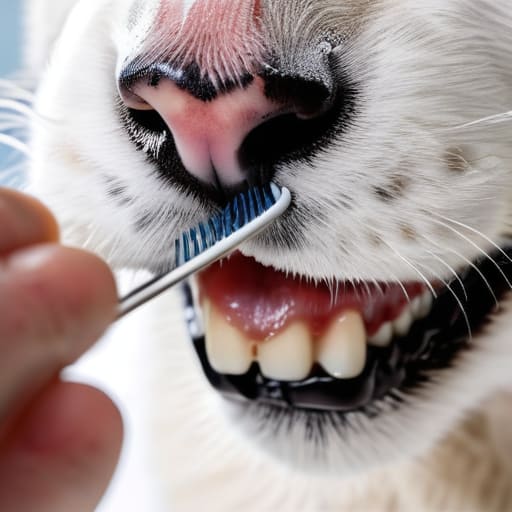
Look, I’m going to be blunt: if you’re waiting until you see brown chunks on your cat’s teeth to act, you’ve already lost the battle. By then, the tartar has turned into calculus, and that’s physically bonded to the tooth. At that stage, you aren’t looking at a toothbrush; you’re looking at a $500 to $1,200 dental cleaning under general anesthesia. Preventing cat tartar buildup is about mechanical disruption—basically, you have to physically scrape the film off before it hardens.
If you want to actually succeed at feline oral health maintenance, stop looking for a miracle treat and start looking for the best cat toothbrush and toothpaste. Yes, it’s a chore, and yes, they will probably hate you for the first week. But using a tiny finger brush with an enzyme toothpaste—never, ever use human paste, the fluoride is toxic—is the only way to stop the clock. If you can manage even three times a week, you’re doing better than 90% of the owners I saw walk through the clinic doors.
Finding the Best Cat Toothbrush and Toothpaste That Actually Works
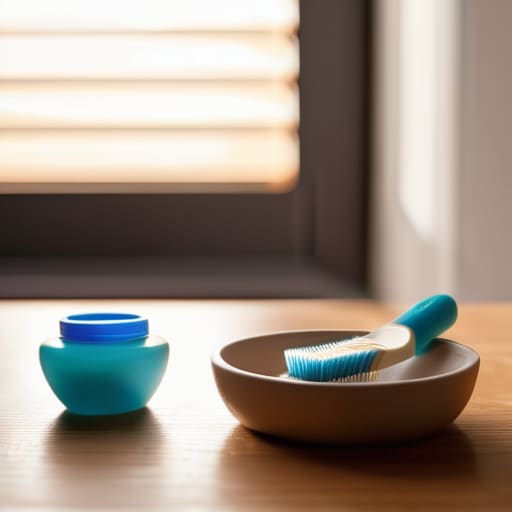
Look, I’ve seen too many owners try to use human toothpaste because they think it’s “the same stuff,” only to end up in my clinic with a cat that has ingested enough xylitol to cause a seizure. Never, under any circumstances, use human toothpaste. It’s toxic to them. When you’re looking for the best cat toothbrush and toothpaste, forget the idea of a giant human brush. Your cat’s mouth is tiny; you need a finger brush or a micro-bristle tool that actually fits into those narrow gaps behind the canines.
If your cat is a fighter—and let’s be honest, most are—don’t stress about the brush itself as much as the flavor. Most cats will tolerate a poultry or seafood-flavored gel, but if they spit it out immediately, you aren’t winning. For feline oral health maintenance, the goal isn’t a perfect scrubbing session every single night; it’s about consistency. Even if you only manage to smear a little enzymatic gel on their molars three times a week, you’re doing more for feline periodontal disease prevention than the person who waits until their cat is drooling blood to realize there’s a problem.
Five things I learned from thirty years of cleaning teeth and seeing what happens when you don't
- Don’t fall for the “dental treats” trap. Most of those crunchy bits are just shaped differently to satisfy a marketing requirement; they don’t actually scrub enough biofilm off the tooth to stop tartar from hardening. If you aren’t actually brushing, you’re mostly just buying expensive snacks.
- Check the gums, not just the teeth. If you see bright red inflammation or bleeding where the tooth meets the gumline, that’s gingivitis. That isn’t a “wait and see” situation—that’s a signal that the bacteria are already starting to migrate toward the bloodstream and the bone.
- Get used to the “ear-to-mouth” transition. If you try to force a cat’s mouth open like a human’s, you’re going to get scratched and they’re going to associate your hands with trauma. I always tell new owners: start by just touching their cheeks and rubbing their gums with a finger while they’re sleepy. If they won’t let you touch their face, you aren’t going to be brushing their teeth.
- Smell is your best diagnostic tool. If your cat’s breath smells like something died in a gutter, that isn’t “just cat breath.” That is the smell of infection and decaying tissue. A quick check of the nose and mouth once a week can save you a $1,200 dental cleaning and extractions down the line.
- Know the cost of procrastination. A preventative cleaning under anesthesia might run you $400 to $700 depending on your area, but once that tooth abscesses and you’re looking at extractions, oral surgery, and antibiotics, you’re looking at $1,500 to $2,500 minimum. It is much cheaper to buy a $5 tube of enzymatic toothpaste than to pay for a surgical recovery.
The bottom line on dental care
If your cat is dropping kibble, pawing at their mouth, or has breath that smells like something died in their throat, stop looking for home remedies; they likely have an abscess or a fractured tooth that needs professional intervention immediately.
A professional dental cleaning under anesthesia isn’t a luxury—it’s the only way to actually see what’s happening below the gumline, and waiting until the cat stops eating means you’re paying for an emergency instead of a preventative.
Consistency beats intensity every single time; five seconds of brushing with enzymatic paste three times a week is worth more than a twenty-minute struggle once a month that just leaves you and your cat both stressed out.
The cost of procrastination
“I’ve spent half my career explaining to owners that the $20 toothbrush they’re avoiding today is a lot cheaper than the $800 dental extraction and antibiotics they’ll be begging me for six months from now when their cat stops eating because their gums are bleeding.”
Marlene Ostrowski
When the Bristles Stop and the Real Work Begins
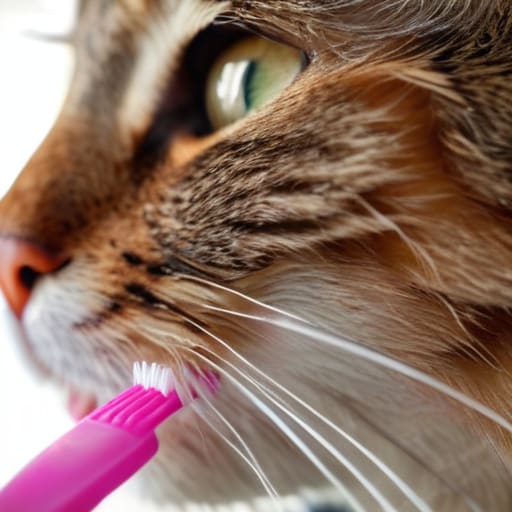
Look, I know the drill. You buy the expensive enzymatic gel, you get the soft-bristled brush, and you spend three weeks trying to convince a ten-pound tabby that her mouth isn’t a battlefield. But here is the reality: brushing is just one tool in the kit. You have to keep an eye on the gums for that angry, bright red inflammation, and you have to be honest with yourself about whether you’re actually doing it or just pretending you are. If you see bleeding, foul breath that smells like something died in a gutter, or if they start dropping kibble mid-chew, stop trying to fix it with a toothbrush. That is not a cleaning issue; that is a medical issue, and you need to call the vet immediately before a simple infection turns into a systemic problem that costs you a thousand dollars in hospital stays.
At the end of the day, dental care isn’t about having the most pristine, white teeth you see in a pet food commercial. It’s about comfort. I’ve sat in exam rooms with owners who were heartbroken because their cat had stopped eating—not because they lost their appetite, but because every bite felt like swallowing broken glass. You aren’t just brushing teeth; you are protecting their ability to eat and live without pain. It’s a tedious, often frustrating daily chore, but when you see that old cat purring and crunching happily into their senior diet five years from now, you’ll know exactly why you bothered.
Frequently Asked Questions
My cat won't let me near her mouth; are there any tricks to getting them to tolerate a brush, or is it a lost cause?
It’s not a lost cause, but you have to stop treating it like a chore and start treating it like a negotiation. If you go in there with a toothbrush, you’ve already lost. Start with just touching their lips, then their teeth, with nothing but your finger. If they hiss or pull away, you stop. You want them to associate your hand near their face with treats, not a struggle. If you can’t get even a finger in there after two weeks of practice, stop fighting it and just use water additives or dental wipes. Don’t risk a scratch or a broken nail for a battle you can’t win.
How much should I actually expect to pay for a professional dental cleaning if they already have heavy tartar buildup?
If they already have heavy buildup, you aren’t just paying for a “cleaning.” You’re paying for a procedure. Expect to shell out anywhere from $400 to $800. That includes the exam, anesthesia (which is non-negotiable), scaling, and polishing. If they have resorptive lesions or broken teeth—which they likely do—add another $300 to $500 per tooth for extractions. It’s a gut punch, I know, but it’s cheaper than treating a systemic infection later.
Are those dental treats and water additives actually doing anything, or am I just throwing money down the drain?
Look, I’ve seen enough dental cleanings to know that treats and water additives are rarely the “cure-all” the marketing makes them out to be. If you’re looking for a miracle, you’re throwing money away. They can help slow down plaque if your cat actually eats them, but they won’t touch a hard calculus deposit once it’s set. Think of them as a supplement, not a substitute for actual brushing or a professional cleaning.