I’ve spent three decades watching people spiral into a panic because they read a forum post claiming a tiny bit of redness meant their dog was going blind, only to watch them ignore the actual signs of a corneal ulcer because they were too busy buying expensive, unproven herbal drops online. Most of the advice you find out there is either way too dramatic or way too vague to be useful. If you are trying to learn how to spot eye problems before they turn into a surgical emergency, you don’t need a lecture on ocular anatomy; you need to know the difference between a bit of seasonal grit and a bulging eyeball that requires a midnight trip to the ER.
I’m not here to sell you a miracle tincture or sugarcoat the reality of veterinary medicine. I’m going to tell you exactly what I’ve seen in the exam room: what a minor irritation looks like, what a true emergency looks like, and roughly what you’re going to pay when you walk through those clinic doors. I’ll give you the clinical signs to watch for and, more importantly, I’ll tell you when it’s time to stop reading and start driving to the vet.
Table of Contents
Common Ocular Symptoms Redness vs a Real Emergency
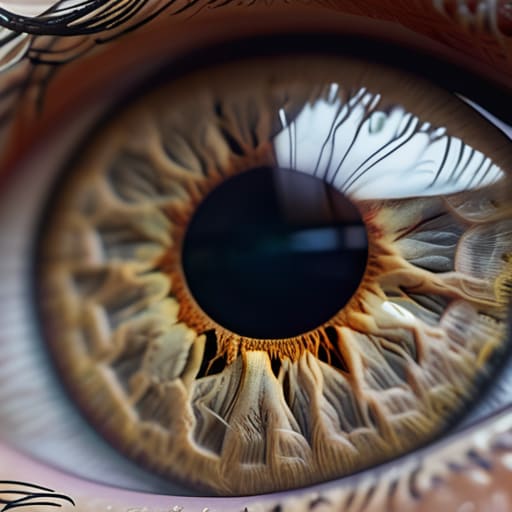
Most of the time, when an owner calls me panicking because their cat has a pinkish tint to the conjunctiva, it’s just a mild case of eye irritation causes—think dust, a bit of grass, or a minor scratch. If the eye looks a little red but the animal is eating, playing, and the eyeball itself looks clear and firm, you can usually wait until your regular clinic opens on Monday. You might see some slight tearing or a bit of clear discharge, but that’s often just a sign of minor inflammation.
However, there is a massive difference between “pink” and “angry.” If you see vision changes and blurry sight, or if the eye looks like it’s actually bulging out of the socket, you aren’t waiting for Monday. A bulging eye is often a sign of high intraocular pressure—glaucoma—and that is an excruciating, sight-threatening emergency. If the eye is cloudy, or if your dog is squinting so hard they can’t keep it open, they are in pain. Don’t bother looking for home remedies; get them to an emergency vet.
Signs of Eye Infection That You Cannot Ignore
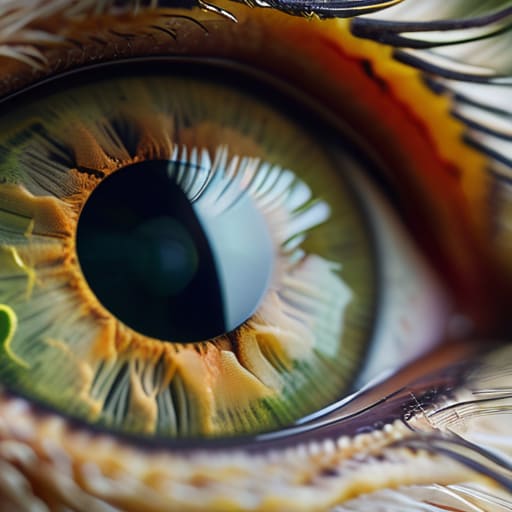
When people talk about signs of eye infection, they usually think of a little bit of “sleep” in the corner of the eye. But an infection isn’t just a bit of crust; it’s a biological battle happening in real-time. If you see thick, yellow, or green discharge—the kind that actually sticks the eyelids shut in the morning—that’s not just a minor irritation. It means there is a significant inflammatory response or a bacterial load that your pet’s immune system isn’t handling on its own. You’ll likely see squinting, too. In my experience, a dog or cat that is holding their eye halfway shut is trying to protect a source of intense pain, and they won’t tell you that in words.
You also need to watch for any sudden vision changes and blurry sight. If your cat is suddenly bumping into the coffee table or your dog seems hesitant to jump onto the couch, don’t just chalk it up to them getting older. If the eye itself looks cloudy or “milky” alongside that discharge, you aren’t just looking at a surface infection; you might be looking at an ulcer or internal inflammation. At that point, you aren’t waiting for a scheduled appointment next Tuesday—you’re calling the vet immediately.
Five things I wish every owner knew before they panicked (or waited too long)
- Check the “blink reflex” first. If your dog or cat is squinting, holding the eye half-shut, or seems sensitive to light, they are telling you something is physically wrong inside the globe or on the surface. A squinting eye is almost always a pain response, and pain in the eye escalates much faster than a skin rash or a limp.
- Get a flashlight and look at the color of the sclera. I don’t care if the “pupil looks weird”—look at the white part of the eye. If that white part is turning pink or deep red, you’re looking at inflammation or high blood pressure. If it’s turning yellow, that’s jaundice, which means the eye problem is actually a liver problem, and you need to call your vet for bloodwork, not eye drops.
- Don’t trust “sleepy” discharge. A little bit of clear or slightly crusty stuff in the morning is normal for some breeds, but if you see thick, yellow, or green goop, that’s pus. Pus means bacteria, and bacteria in the eye can lead to a corneal ulcer in a matter of hours. If it’s colored, it’s an infection, period.
- Watch the shape, not just the color. If an eye looks “cloudy,” it might be a simple scratch or it might be glaucoma. If the eye actually looks larger than the other one or seems to be bulging out of the socket, that is a massive red flag for pressure buildup. That isn’t a “wait until Monday” situation; that is a “go to the emergency clinic now” situation.
- Stop using the “human” eye drops in your cabinet. I have seen more damage from people using leftover Visine or leftover steroid drops from their own prescriptions than I have from actual injuries. If you put a steroid drop in an eye that has a tiny scratch (an ulcer), you can melt the cornea right through to the inside of the eye. If you aren’t sure, use plain, preservative-free artificial tears and call the clinic.
The bottom line on eye care
If you see a change in the shape of the eye—like bulging or a sudden collapse—or if they are pawing at it aggressively, don’t wait for a scheduled appointment; that’s an emergency visit, and it’ll likely cost you a few hundred dollars just to walk through the door.
Most “redness” is just irritation, but if the eye is squinting or the third eyelid is covering the cornea, you’re looking at potential pain or a scratch that could turn into an ulcer by morning.
Stop looking for home remedies like saline washes or honey; if there is actual discharge or cloudiness, you need a professional to look under the microscope to see if it’s bacterial or something much more expensive to treat.
The difference between a scratch and a crisis
“I’ve spent three decades watching owners try to ‘wait and see’ if a squinting eye would clear up on its own, only to realize too late that they weren’t watching a minor irritation—they were watching an ulcer eat through a cornea. If your pet is holding their eye shut or acting like it’s being poked with a needle, stop searching for home remedies and start looking for your car keys; by the time it looks ‘bad enough’ to justify the emergency fee, you’re often already too late to save the sight.”
Marlene Ostrowski
When to Trust Your Gut
At the end of the day, you aren’t looking for a medical degree; you are looking for change. If their eye looks different than it did yesterday—whether that’s a new cloudiness, a constant squint, or a discharge that isn’t just a little bit of “sleep” in the corner—you need to take action. Don’t get caught in a loop of checking Google forums or waiting for the weekend to see if it “clears up” on its own. If you see bulging, intense redness, or if they are pawing at their face like they’re trying to claw the eye out, stop reading and get to the vet. An eye injury can go from a minor scratch to a lost globe in a matter of hours, and by then, the vet bill will be three times higher and the outcome much worse.
I know how heavy that feeling is—the panic of a midnight emergency visit and the dread of the invoice waiting for you at the front desk. But I’ve spent three decades watching owners regret the things they didn’t do more than the things they did. You know your pet better than any technician or doctor ever will. If something feels “off,” trust that instinct. Being proactive isn’t being dramatic; it’s being a good advocate for a creature that can’t tell you where it hurts. You’ve got this, and your pet is lucky to have someone who is actually paying attention.
Frequently Asked Questions
My dog has a slight squint but the eye looks clear; is this just a scratch or something more serious?
If the eye looks clear, you might be looking at a corneal ulcer—a scratch on the surface—or even something deeper like uveitis (inflammation inside the eye). A squint, or blepharospasm, is the dog’s way of saying, “This hurts.” Don’t wait for redness to show up; by then, the damage is often done. A quick exam and fluorescein stain usually cost between $50 and $100. Get it checked tomorrow; if he starts pawing at it, go tonight.
How much is an emergency eye exam going to set me back if I go in tonight versus waiting for my regular vet on Monday?
Look, I’m not going to sugarcoat it: an emergency visit tonight will sting. You’re looking at an exam fee anywhere from $150 to $300 just to walk through the door, plus whatever they charge for after-hours surcharges. If it’s a corneal ulcer, you’re adding meds and maybe a fluorescein stain test on top of that. But if you wait until Monday and that eye ruptures, you aren’t paying for an exam anymore—you’re paying for surgery or an enucleation.
Can I just use over-the-counter lubricating drops for a red eye, or am I risking permanent damage by not using prescription meds?
Look, if it’s just a little grit or wind irritation, some preservative-free artificial tears are fine. But if you’re trying to treat an actual infection or a scratch with over-the-counter stuff, you’re playing Russian roulette. You can’t see a corneal ulcer with the naked eye, and if you put the wrong thing in—especially anything with steroids—you can melt that cornea right out of the socket. If the eye is red, stop guessing and get it checked.