
I’ve spent thirty years watching people stare at a little white pill like it was a ticking bomb, usually because some glossy brochure or a well-meaning neighbor gave them a “complete guide to pet medication” that was more fluff than fact. I’ve sat in exam rooms where owners were paralyzed, not because they didn’t love their animals, but because they were terrified of the side effects or, more often, terrified of the price tag they couldn’t see coming. Most of the advice you find online is written by people who have never had to hold a trembling, seizing dog in a dark clinic or explain to a sobbing woman that her cat’s new prescription is going to cost more than her monthly groceries.
I’m not here to give you a lecture or a list of marketing buzzwords. What I’m going to give you is the truth from the other side of the table: what these drugs actually do, what they really cost, and how to tell the difference between a routine dose and a medical emergency. I’ll give you the real numbers and the clinical reality, because I believe you deserve to know exactly what you’re putting in your pet’s bowl—and your bank account—before you walk through those clinic doors.
Table of Contents
- Veterinary Prescription Safety What You Cant Afford to Guess
- The Side Effects of Animal Medication Watching for the Red Flags
- Five Things Your Vet Won't Have Time to Tell You in the Exam Room
- The Bottom Line: What You Need to Remember
- The Real Cost of "Doing Your Own Research"
- The Bottom Line
- Frequently Asked Questions
Veterinary Prescription Safety What You Cant Afford to Guess
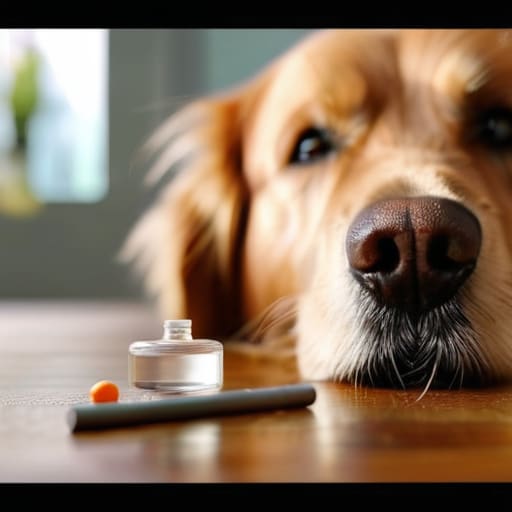
I’ve spent more time than I care to admit watching owners try to “eyeball” a dose because they lost the original pill bottle or thought they could just split a tablet in half. Let me be incredibly clear: veterinary prescription safety isn’t a suggestion, it’s the line between a controlled treatment and a trip to the emergency clinic. When you’re administering medication to cats and dogs, the margin for error is razor-thin. If you are managing a dog with heart disease or a cat with hyperthyroidism, a “close enough” dose isn’t actually close enough. I’ve seen a tenth of a milligram make the difference between a stable senior and a patient in respiratory distress.
You also need to watch for the side effects of animal medication like you’re watching a hawk. If your dog starts vomiting or acting lethargic after a new pill, don’t just assume it’s “part of the process.” Call the clinic. I’ve seen people try to mask these reactions with pet pill pockets and treats, thinking the treat will settle their stomach, when really, the medication is failing or causing toxicity. If the behavior changes, the medication is the first thing you question.
The Side Effects of Animal Medication Watching for the Red Flags

Listen, no medication is a magic wand without a price tag, and that price isn’t always measured in dollars—it’s measured in how your pet reacts. When you’re administering medication to cats and dogs, you have to stop looking at the clock and start looking at the animal. I’ve seen owners get so focused on whether the pill actually went down that they miss the subtle signs of a bad reaction. If your dog suddenly starts pacing, vomiting, or looking like they’ve lost their coordination, that isn’t just “adjusting to the new routine.” That is a red flag.
Most people panic over the big stuff, but I tell my clients to watch for the quiet shifts. A sudden change in appetite or a slight tremor might seem minor, but when you’re managing pet chronic illness, those little deviations are your early warning system. If you see hives or facial swelling, stop reading this and get to an ER immediately; that’s anaphylaxis, and it doesn’t wait for business hours. If it’s just a mild stomach upset, you might have a few hours to call the clinic, but never guess if a reaction looks “off.” If your gut says something is wrong, trust it.
Five Things Your Vet Won't Have Time to Tell You in the Exam Room
- Stop eyeballing the dose. I don’t care if the pill looks “about half the size” of the last one; if you aren’t using a precise scale or a proper dosing syringe, you’re playing roulette. I’ve seen more kidney failures from accidental overdoses than from the actual diseases we were trying to treat. If your pet is 5kg, you dose for 5kg, not “roughly the size of a soda can.”
- Keep a written log, not a mental one. When a vet asks, “Has he been acting different?” your brain will try to tell you everything is fine because you want it to be fine. Write down the times, the amounts, and the exact behavior. If you can’t tell me if he vomited at 2:00 AM or 4:00 AM, you aren’t giving me the data I need to help him.
- The “Human Med” trap is a death sentence. I know, it’s convenient, and I know you saw a TikTok about it, but Tylenol will kill a cat faster than you can drive to the ER. Never, and I mean never, give a human medication to an animal unless it is specifically prescribed for their weight and species. It isn’t worth the $500 emergency stabilization fee you’ll be hit with when they start seizing.
- Budget for the “hidden” costs of treatment. A prescription might be $40, but if that medication requires bi-weekly bloodwork to monitor liver enzymes—which it often does—you’re looking at an extra $150 to $300 every few months. Ask the technician for the “total cost of management,” not just the price of the bottle, so you aren’t caught off guard when the bill hits.
- Don’t hide the “minor” side effects. If you notice a slight change in stool or a little extra thirst, tell us. People think they’re being “good” by not bothering the vet with small things, but a slight change in thirst can be the first sign that a medication is taxing their kidneys. I’d much rather tell you “it’s fine, keep going” than have to tell you “we’re too late” because you stayed quiet.
The Bottom Line: What You Need to Remember
Stop guessing on the dose. If the vet says 5mg per kilogram, do the math yourself; a “close enough” estimate is how you end up in my exam room with a toxic animal and a massive emergency bill.
Learn the difference between a “nuisance” side effect and a “crisis” side effect. A little extra thirst is usually fine, but if your dog starts vomiting or gets lethargic, you stop the meds and call the clinic immediately.
Budget for the long haul, not just the pill. Medication isn’t a one-time expense, and if you’re staring at a price tag you can’t afford, tell your vet upfront so they can find a generic or a different protocol instead of you just skipping doses.
The Real Cost of "Doing Your Own Research"
I’ve spent thirty years watching people try to play pharmacist with a Google search, and it usually ends with a frantic 2:00 AM phone call to the emergency vet and a bill that could have been avoided if they’d just listened to the dosage instructions the first time. Medication isn’t a suggestion; it’s chemistry, and in this house, we respect the math or we pay for the mistakes.
Marlene Ostrowski
The Bottom Line

At the end of the day, managing your pet’s medication isn’t about being a pharmacist; it’s about being an observant partner in their care. We’ve talked about why you can’t DIY a dosage, why you need to watch those red-flag side effects like a hawk, and why guessing on a prescription is a gamble you’ll likely lose. Keep your notes, track the times, and for heaven’s sake, don’t hide a pill in a piece of cheese if you aren’t 100% sure they’ll swallow it whole. If you see something off—a change in appetite, a sudden lethargy, or a weird skin reaction—don’t sit there scrolling through forums trying to find a consensus. Trust your gut and call the clinic.
I know it’s overwhelming. I know the costs can make your stomach turn and the sheer amount of information can feel like a weight on your shoulders. But remember that every pill, every dose, and every vet visit is a piece of the puzzle that keeps them by your side. You aren’t just “administering meds”; you are managing their comfort and their quality of life. It’s a heavy responsibility, but you’re the one who knows them best in the quiet moments at home. Do the work, stay vigilant, and remember that being a good pet parent isn’t about being perfect—it’s about being present when it matters most.
Frequently Asked Questions
Can I just split my human ibuprofen or Tylenol if my dog seems to be in pain, or is that actually going to kill them?
Don’t you dare. I’ve spent too many shifts stabilizing dogs with perforated stomachs because an owner thought they were being “helpful” with the medicine cabinet. Ibuprofen and Tylenol aren’t just “stronger” for dogs; they are toxic. They can cause rapid kidney failure or massive GI bleeding. If your dog is in pain, call your vet. An NSAID prescription might run you $50 to $80, but an ER visit for an ulcer will cost you $1,500.
If I miss a dose of my cat's thyroid medication, do I double up the next day or just wait until the next scheduled time?
Don’t double up. I’ve seen owners try to “catch up” with a missed dose, only to end up with a cat that’s crashing from toxicity. If you miss a dose of methimazole, just give the next one at the regular time. It’s better to let their thyroid levels swing slightly than to spike their blood concentration. If you miss more than two doses in a row, call your vet; that’s when things get messy.
How much am I actually going to be out of pocket for a month's worth of flea/tick prevention versus just using something I found at the grocery store?
Look, the grocery store stuff is cheap because it’s often old tech or, frankly, unreliable. You’re looking at maybe $10–$15 a month for the generic stuff, but if it fails and your dog gets Lyme or a heavy tapeworm load, that “saving” evaporates instantly. A decent, vet-grade monthly preventative—something like Nexgard or Simparica—is going to run you closer to $25–$40 depending on weight. It’s a steeper upfront cost, but I’ve seen the vet bills for the alternative.