I spent nearly three decades in a small practice watching owners walk in with a look of sheer panic because they’d spent three hours on a forum trying to figure out how to read cat body language. They’d read some “expert” post claiming a slow blink was a sign of spiritual connection, while completely missing the fact that their cat’s ears were pinned back and their abdomen was tense—the classic signs of a feline in significant pain. Most of the advice you find online is either too fluffy to be useful or too clinical to be understood when you’re staring at a cat that won’t eat.
I’m not here to teach you how to “communicate with your soulmate”; I’m here to tell you what those movements actually mean for your cat’s health. I will show you the difference between a tail that’s just being expressive and a tail that’s signaling a trip to the emergency vet. You’ll get the straight truth on which cues are just personality quirks and which ones are the subtle, quiet warnings that something is physically wrong. No fluff, no nonsense—just the reality of what I saw from the other side of the exam table.
Table of Contents
- The Subtle Truth of Feline Facial Expressions
- Decoding Cat Eye Pupil Dilation and Hidden Stress
- Five Signs You’re About to Get Bitten (Or Need to Call the Vet)
- The Bottom Line on Cat Body Language
- ## The Difference Between a Mood and a Medical Crisis
- Trust Your Gut, Not the Internet
- Frequently Asked Questions
The Subtle Truth of Feline Facial Expressions
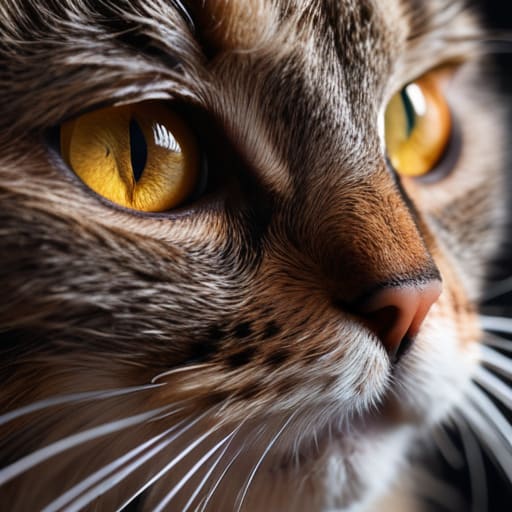
Most people think they’re reading their cat, but they’re usually just looking at a pretty face. In my thirty years at the clinic, I learned that the real story is written in the tiny, twitchy details around the eyes and mouth. If you’re interpreting cat whisker positions, don’t just look at whether they’re long or short. If those whiskers are pinned flat against their cheeks, that cat isn’t just “being moody”—they are likely in pain or preparing to strike. It’s one of the most reliable cat aggression indicators we have, and by the time they’re growling, you’ve already missed the warning.
Then there’s the eyes. You’ll see cat eye pupil dilation happen for two reasons: excitement or fear. If your cat’s pupils are huge but they’re lounging in a sunbeam, they’re just vibing. But if those black voids stay wide while the cat is hunkered down, they’re in a fight-or-flight state. I’ve seen owners mistake a dilated, staring cat for “affectionate” right before they got a claw to the hand. Watch the eyes, watch the whiskers, and stop assuming they’re just being cute.
Decoding Cat Eye Pupil Dilation and Hidden Stress
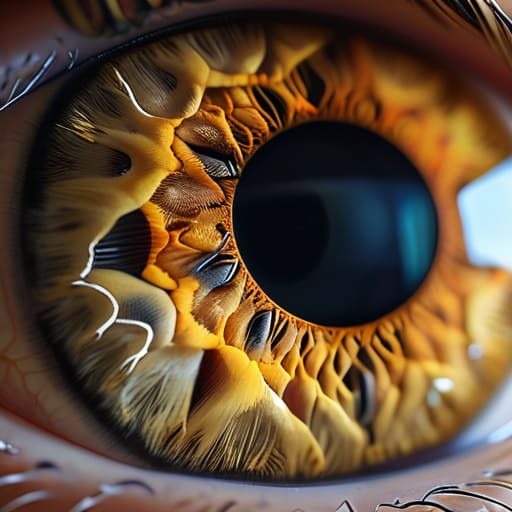
People tend to focus on the tail or the ears, but if you want to know what’s actually happening in a cat’s head, you look at the eyes. Cat eye pupil dilation is one of the most honest tells in the book, mostly because they can’t fake it. If those pupils are blown wide like black saucers in a brightly lit room, your cat isn’t just “being cute” for a photo. They are likely in a state of high arousal—either intense playfulness or, more commonly, acute fear. I’ve seen owners try to pet a cat with dilated pupils, thinking the cat is just being affectionate, only to end up with three stitches and a very expensive bill for a bite wound.
When you combine dilated pupils with certain feline communication cues, like flattened ears or a low-slung posture, you aren’t looking at a “moody” pet; you’re looking at a cat that is seconds away from an aggressive outburst. If the pupils are pinpricks, they might be focused or even angry, but those huge, dark voids usually mean their nervous system is screaming. Don’t wait for them to hiss to realize they’re stressed; by then, you’ve already missed the window to back off.
Five Signs You’re About to Get Bitten (Or Need to Call the Vet)
- Watch the tail, not just the eyes. A slow, rhythmic sway is usually just “I’m thinking about this,” but if that tail starts thumping against the floor like a heavy whip, they are overstimulated. If you keep trying to pet them during a heavy thump, you aren’t being affectionate—you’re being a target.
- The “Ear Pivot” is your early warning system. If the ears are facing forward, we’re good. If they start rotating sideways like little satellite dishes, they’re listening for a threat. If they’re pinned flat against the skull, stop everything; that cat is in “fight or flight” mode and is seconds away from drawing blood.
- Don’t mistake a “loaf” for relaxation if the body is tense. I’ve seen plenty of owners think their cat is just being cute, but if the paws are tucked tight and the muscles underneath are rigid, that cat isn’t napping—they’re guarding themselves. This is often the first sign of hidden pain, especially in older cats with arthritis.
- Learn the difference between a “slow blink” and a “stare down.” A slow, sleepy blink is a peace offering. But if they are staring at you with unblinking, wide eyes, they are tracking you as a predator or a threat. If you see that stare combined with a hunched back, don’t try to “comfort” them; give them space.
- The belly trap is real, and it’s rarely an invitation. When a cat rolls over to show you their stomach, they are showing trust, not asking for a belly rub. If you reach in and they immediately grab your hand with their claws, don’t take it personally—you just misread a gesture of confidence for a request for service.
The Bottom Line on Cat Body Language
Don’t mistake a “slow blink” for a simple greeting; it’s a physiological sign of trust, but if that eye contact is paired with a flattened ear or a twitching tail, they aren’t being sweet—they’re warning you to back off before they lash out.
Pupil dilation is a massive red flag for physiological stress or pain, not just “excitement”; if those eyes stay wide even in a bright room, your cat is likely in a state of high cortisol or discomfort that needs a clinical look.
Watch for the shift from annoyance to crisis; a flicking tail is a mood, but a rigid, tucked-tail stance combined with hiding is a signal that something is physically wrong, and that’s the difference between waiting for your regular appointment and heading to the ER.
## The Difference Between a Mood and a Medical Crisis
“Most people see a cat hiding under the sofa and think they’re just being ‘moody’ or ‘antisocial,’ but after thirty years of seeing what happens when a cat is actually in pain, I can tell you this: a cat that suddenly stops engaging isn’t being temperamental, they’re usually trying to hide the fact that they’re hurting, and by the time they stop hiding, you’re already behind the curve.”
Marlene Ostrowski
Trust Your Gut, Not the Internet

At the end of the day, reading your cat isn’t about memorizing a textbook; it’s about noticing the shift in the baseline. You’ve learned that a dilated pupil might just be a playful moment, but if it’s paired with a tucked tail and a sudden refusal to eat, that’s not “moodiness”—that’s a clinical red flag. We’ve covered everything from the subtle tension in their whiskers to the way their ears rotate like radar dishes. Remember, the goal isn’t to become a feline behaviorist, but to become an expert on your specific animal. When the body language stops matching the personality you’ve known for years, stop scrolling through forums and start calling your vet.
I spent three decades watching people try to “reason” with a cat that was clearly in pain, and it broke my heart every single time. Your cat cannot tell you that their abdomen is tender or that their joints are aching, so they use these physical cues as their only voice. If you take the time to truly watch them—not just glance at them while you’re on your phone, but actually observe the nuances—you aren’t just a pet owner; you are their primary advocate. Learning this language is the most profound way to honor the bond you share, ensuring that when they do signal for help, you are the first one there to answer.
Frequently Asked Questions
My cat's ears are slightly back but they aren't pinned to their head—is that just relaxation or am I about to get scratched?
If they aren’t pinned flat against the skull, you aren’t in immediate danger of losing a finger, but you’re definitely on notice. Ears slightly back usually means “I’m overstimulated” or “back off.” It’s a warning shot. If they were relaxed, those ears would be forward or neutral. Don’t try to pick them up right now; just give them space. If the ears stay back and the tail starts thumping, leave the room.
How do I tell the difference between a cat who is "playing" aggressively and one that is actually in pain or feeling threatened?
Look for the “stop” signals. If they’re playing, they’ll pause, reset, and come back for more. If they’re in pain or feeling cornered, they’ll go rigid, tuck their tail, or flatten those ears against their skull. A playing cat might nip, but a threatened cat will hiss or growl—and that’s not “being moody,” that’s a warning. If they’re hiding or avoiding touch after a bout of roughhousing, don’t wait; get them checked out.
If my cat is showing these signs but still eating and using the litter box normally, can I really afford to wait a few days to call the vet?
If they’re eating and using the box, you aren’t in a “middle of the night” emergency, but you’re likely in a “call the clinic when they open” window. Cats are masters of masking pain; they’ll eat right up until their kidneys fail or their bladder obstructs. If the behavior is a sudden shift, don’t wait a week. Schedule it for tomorrow. It’s cheaper to catch a dull ache now than a crisis on Sunday night.