
I’ve spent three decades watching people spend eighty dollars on “calming pheromone diffusers” and expensive organic catnip treats while their cat is actually losing its mind because the entire house smells like cardboard boxes and stranger anxiety. If you’re searching for how to help a cat adjust to a move, you don’t need a boutique wellness kit; you need a plan that accounts for their territory, not just their temperament. I once had a client who spent a small fortune on “stress-relief” supplements for her Siamese, only to realize the cat wasn’t chemically imbalanced—she was just terrified because her favorite scratching post was buried under a mountain of packing tape.
I am not here to sell you a lifestyle brand or a miracle supplement. I am going to tell you what actually works based on how a cat’s brain perceives a changing environment, and more importantly, I’m going to tell you when that hiding behavior is just normal adjustment versus when it’s a medical red flag that requires an emergency vet visit. We are going to talk about real logistics—scent swapping, room decompression, and the specific signs of urinary blockage that can turn a stressful move into a fatal mistake.
Table of Contents
- Preparing the Cat Carrier for Travel Without the Panic
- Reducing Feline Relocation Stress Before the First Box Drops
- The Survival Checklist: What Actually Matters When the Boxes Arrive
- The Bottom Line: When to Worry vs. When to Wait
- The Real Cost of Hiding
- The Reality of the New Normal
- Frequently Asked Questions
Preparing the Cat Carrier for Travel Without the Panic
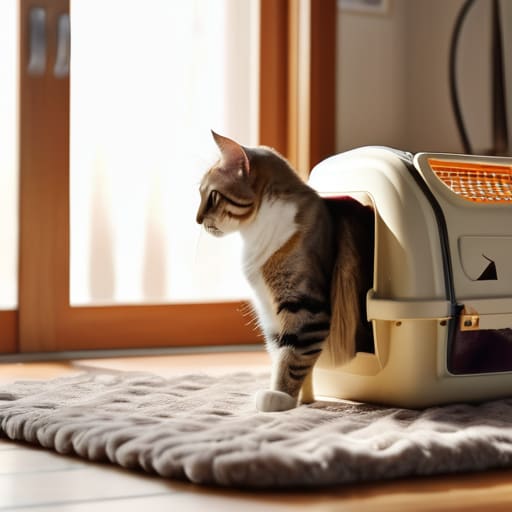
Most people treat the carrier like a prison cell—something that only comes out when it’s time for a terrifying trip to the vet. If that’s how you handle it, you’ve already lost the battle. To succeed at preparing the cat carrier for travel, you need to make it a permanent piece of furniture in your living room at least two weeks before the moving truck arrives. I’ve seen too many cats go into full-blown fight-or-flight mode because they suddenly see that plastic box and realize their world is about to end. Unlatch the door, throw a soft fleece blanket inside, and smear a little bit of high-value wet food or some cat calming pheromones for moving around the edges. If they won’t go in, don’t force them; you’ll only teach them that the box is a place where bad things happen.
When the big day actually arrives, the goal is to minimize the sensory overload. I always recommend a hard-sided carrier for the actual transit, but line it with a familiar-smelling shirt of yours. If you’re moving a particularly skittish senior, don’t forget to secure the carrier so it doesn’t slide around the car; a sudden jolt can turn a nervous cat into a frantic one.
Reducing Feline Relocation Stress Before the First Box Drops

Don’t wait until the moving truck is idling in your driveway to start thinking about your cat’s mental state. If you start packing boxes the second you decide to move, your cat is going to spend three days watching their entire world be dismantled, and that is a recipe for disaster. I’ve seen too many cats go into a full-blown shutdown because they felt the ground shifting beneath them weeks before the actual move. Start by reducing feline relocation stress early; keep their scent present by leaving a few unwashed blankets or their favorite scratching post out even as the rest of the house gets chaotic.
I’m a big believer in using cat calming pheromones for moving—specifically the synthetic ones you plug into the wall. They aren’t a magic fix, and they won’t stop a cat from being annoyed, but they can take the edge off the neurological spike that comes with a change in environment. If you see signs of cat anxiety during move like excessive grooming or refusing their favorite treats, don’t just assume they’re being “stubborn.” They are communicating that their cortisol levels are through the roof. Prepare the environment before you prepare the cat.
The Survival Checklist: What Actually Matters When the Boxes Arrive
- Set up a “safe room” immediately. Don’t give a stressed cat free rein of a cavernous, empty house with echoes and strange smells; pick one small room—a bathroom or a spare bedroom—and keep them there with their litter box, food, and a familiar bed for the first 48 to 72 hours.
- Watch the appetite like a hawk. If they skip one meal, it’s probably just nerves; if they haven’t touched their food in 24 hours, you’re looking at a potential hepatic lipidosis situation, and that means a vet visit, not a “wait and see” approach.
- Scent is their map of the world. Before you pack, take an old t-shirt you’ve slept in or an unwashed towel and put it in their new space; having a scent that doesn’t smell like cardboard and packing tape is the difference between them feeling like a guest and feeling like an intruder.
- Don’t force the affection. I know you want to scoop them up and tell them everything is okay, but if they’re hunkered down under a chair, let them be; hovering over them only increases their cortisol levels, and a cat that feels cornered is a cat that bites.
- Monitor the litter box habits. A change in urination frequency or a sudden bout of diarrhea can be a physical manifestation of stress, but it can also mask an underlying issue like a UTI that the move just pushed to the surface—if the output looks wrong, get it checked.
The Bottom Line: When to Worry vs. When to Wait
Give them forty-eight hours to hide; if they haven’t come out for food or water by then, you aren’t dealing with “adjustment,” you’re dealing with a shutdown that needs a vet.
Don’t waste money on “calming” pheromone sprays if you aren’t using them consistently for at least a week before the move; they aren’t magic, they’re just a subtle nudge.
Watch the litter box like a hawk; if a stressed cat stops using it or starts straining, skip the internet forums and head to the emergency clinic, because a urinary blockage is a fast way to lose a cat.
The Real Cost of Hiding
“You’ll see them bolt under the sofa the second the moving truck pulls up, and your instinct will be to give them space, which is fine—but if that hiding turns into forty-eight hours of refusing even their favorite wet food, you aren’t just dealing with a ‘stressed cat,’ you’re dealing with a cat at risk for hepatic lipidosis, and that is a medical emergency, not a mood.”
Marlene Ostrowski
The Reality of the New Normal

At the end of the day, moving isn’t just about moving boxes; it’s about managing a physiological shift in your cat’s environment. You’ve prepped the carrier, you’ve managed the pheromones, and you’ve hopefully kept their scent profile intact through the chaos. But remember, even with perfect preparation, there will be a period where things feel wrong. Keep a close eye on their appetite and their litter box habits. If a cat stops eating for more than twenty-four hours or if you see significant changes in their bathroom routine, don’t try to “wait it out” with home remedies. That is the time to call the vet, because stress-induced issues like cystitis or hepatic lipidosis are real medical risks, not just personality quirks.
There will be nights when you’re sitting on a mattress on the floor of an empty living room, listening to your cat meow at a shadow or hide under a pile of bubble wrap, and you’ll wonder if you did everything right. You probably did. Moving is a disruption of their entire world, and your job isn’t to make it perfect—it’s to be the steady constant in the middle of the upheaval. Give them grace, give them space, and give yourself a little bit of grace too. Eventually, the new house will just be “home,” and they’ll be back to sunbathing in that one specific patch of light on the rug.
Frequently Asked Questions
My cat has stopped eating and is hiding under the bed; at what point does this move-related stress become a medical emergency?
If your cat hasn’t touched food in twenty-four hours, you’re in the danger zone. A cat that stops eating can develop hepatic lipidosis—basically, their liver starts failing because they aren’t processing fat—and that happens fast. If they are hiding but still drinking, you can probably wait until morning. But if they stop eating and stop drinking, or if they start vomiting, don’t wait for a Monday appointment. Get them to an emergency vet tonight.
Should I be using prescription calming medication like Gabapentin for the drive, or is there a way to handle this without drugs?
Look, I’ve seen people try to “naturalize” a move with lavender oil and prayer, and I’ve seen cats turn into vibrating projectiles in the backseat. If your cat is a high-strung screamer or starts panting heavily in the car, don’t fight it—use the Gabapentin. It’s a gold standard for a reason. It’s relatively inexpensive, usually around $20–$40 for a month’s supply depending on the dose, and it actually works. If they’re chill, skip the drugs. But if you’re choosing between a pill and a traumatized cat, take the pill.
How much should I realistically budget for "settling in" costs, like new pheromone diffusers or extra litter boxes, if my cat starts acting out?
Budgeting for a move isn’t just about the movers; it’s about the fallout. A Feliway diffuser will run you about $25 to $40 depending on the size, and you’ll likely need two if you’re covering multiple rooms. If they start spraying, you’re looking at an extra $20 for a specialized cleaner. Grab one extra litter box—it’s cheap insurance. Realistically, set aside $100 to $150 for these “behavioral buffers” so you aren’t scrambling when things get messy.