
I’ve spent three decades watching people spend a fortune on “gourmet” toppers and expensive freeze-dried powders because they think they’re being helpful, when really they’re just training their dog to be a food critic. I’ve seen owners standing in the middle of a pet store aisle, staring at a forty-dollar bag of organic bison kibble, wondering how to handle a fussy eater when the real issue is that they’ve accidentally turned their pet into a picky brat. Most of the advice you’ll find online is just a way to sell you more bags of food, rather than helping you figure out if your dog is actually being difficult or if they’re actually feeling unwell.
I’m not here to sell you a subscription to a boutique meal plan or tell you that a sprinkle of nutritional yeast is a magic cure. I’m going to tell you how to differentiate between a dog who is just being stubborn and a dog who has a medical reason to turn up their nose. We’ll talk about what actually works, what’s a waste of your money, and—most importantly—exactly when that “picky” behavior means you need to stop playing games and call the vet.
Table of Contents
- Childhood Eating Behaviors When to Worry and When to Wait
- Sensory Processing and Food the Difference Between Stubbornness and Struggl
- Practical Steps: What Actually Works (and What’s Just Wasting Your Money)
- The Bottom Line: When to Worry and When to Wait
- The Cost of Playing Games
- The Bottom Line on the Bowl
- Frequently Asked Questions
Childhood Eating Behaviors When to Worry and When to Wait
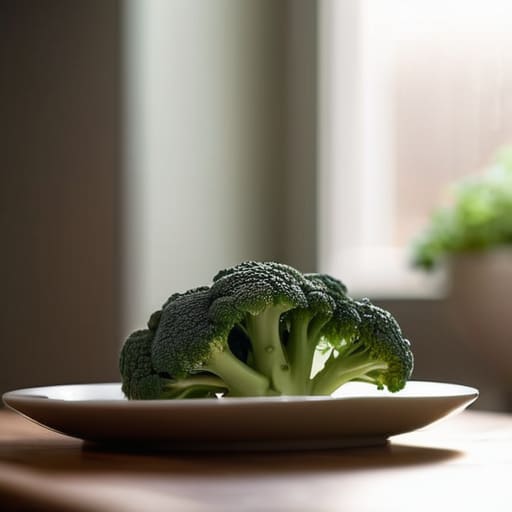
I know what you’re thinking—you’re looking at your kid refusing a piece of broccoli and thinking about my advice on dogs. But there is a massive, fundamental difference between a pet being “picky” and a child experiencing genuine childhood eating behaviors that signal a medical issue. When I worked in the clinic, I saw owners panic because their dog wouldn’t touch a high-end kibble, but when a human child refuses entire food groups, the stakes change. You have to distinguish between a phase and a physiological red flag.
If your little one is just being difficult, you can usually manage it with a positive mealtime environment and some patience. However, if you see signs of sensory processing and food issues—like a child gagging at the mere sight of a specific texture or completely avoiding certain colors—you aren’t just dealing with a “fussy eater.” You’re dealing with something that might require a specialist. Don’t waste time on “tricks” if they are losing weight or seem lethargic; that’s when you stop trying to be a negotiator and start looking for a pediatrician.
Sensory Processing and Food the Difference Between Stubbornness and Struggl

In my thirty years at the clinic, I learned that a patient’s refusal to eat isn’t always a lack of appetite; sometimes, it’s a sensory overload. While we’re talking about kids here, the principle is the same as when a nervous cat refuses a bowl because the ceramic is too loud against the floor. When we look at sensory processing and food, we aren’t just talking about a child being “difficult.” We are talking about a nervous system that is screaming because a texture feels like sand or a smell feels like a physical assault. If you try to force a child through these toddler mealtime struggles with sheer willpower, you aren’t teaching them to eat; you’re teaching them to fear the table.
The difference between a stubborn kid and one who is genuinely struggling is often found in their physical reaction. A stubborn eater might pout or negotiate, but a child with sensory issues might actually gag, turn pale, or become visibly distressed. If you are trying to manage nutritional balance for picky children while they are in a state of fight-or-flight, you’ve already lost the battle. You can’t fix a biological aversion with a “one more bite” rule.
Practical Steps: What Actually Works (and What’s Just Wasting Your Money)
- Stop the buffet style. If you leave a bowl of food out all day for a picky eater, you aren’t being patient; you’re just teaching them that they can hold out for something better. Put the food down, give them twenty minutes, and if they don’t eat, pick it up. You need to establish that mealtime is a discrete event, not a continuous option.
- Check the caloric math before you add “toppers.” People love to throw handfuls of freeze-dried liver or expensive goat milk into a bowl to entice a dog, but if that pet is already overweight, you’re just masking the problem. I’ve seen plenty of “fussy” dogs who are actually just overfed. Calculate their daily requirement in kilocalories first, then subtract whatever treats or toppers you’re adding.
- Temperature matters more than brand name. A lot of the time, a dog isn’t rejecting the kibble; they’re rejecting the fact that it’s cold and unappealing. Try warming up some water or low-sodium broth—not the kind with onions or garlic, because those are toxic—and pour it over the food. It releases the aroma, and for a dog, smell is half the battle.
- Watch the “Human Food” trap. If you’ve been sneaking bits of chicken or cheese to a picky eater to get them to finish their dinner, you have successfully trained them to be a fussy eater. You’ve created a cycle where they know if they hold out, the “good stuff” eventually appears. It’s a hard habit to break, but it’s much easier to do it now than when they’re ten years old and refusing everything but steak.
- Rule out the physical first. If a dog that usually eats like a vacuum suddenly decides they hate their favorite food, don’t spend fifty dollars on a new bag of “sensitive stomach” formula. That’s a waste of money. If the pickiness is sudden and accompanied by any bad breath, pawing at the mouth, or a change in drinking habits, they don’t need better food—they need an exam to check for dental disease or GI issues.
The Bottom Line: When to Worry and When to Wait
Don’t confuse “picky” with “sick”—if the food refusal is accompanied by vomiting, lethargy, or a change in bathroom habits, skip the toppers and head to the vet immediately.
Watch the weight, not just the bowl; a dog that is being stubborn can still maintain their body condition, but a dog that is actually unwell will start losing muscle and fat.
Stop looking for a “magic” ingredient to fix a refusal; if you’ve tried three different textures or flavors and they still won’t eat, the issue is likely medical, not culinary.
The Cost of Playing Games
“There is a massive difference between a dog who has learned that refusing kibble gets them a piece of steak, and a dog who is suddenly uninterested in their favorite treat. If they’re just being stubborn, you can hold your ground; but if they’re suddenly turning their nose up at the good stuff, you aren’t dealing with a picky eater—you’re dealing with a clinical symptom, and by the time they start acting ‘fussy’ about everything, you’ve likely missed the window where treatment is cheap and easy.”
Marlene Ostrowski
The Bottom Line on the Bowl
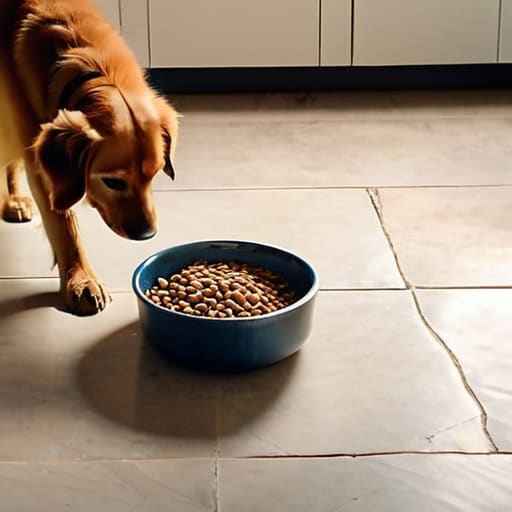
At the end of the day, you have to distinguish between a dog who has learned that a little whining gets them a piece of deli turkey and a dog who is actually unwell. If you’ve ruled out dental pain, nausea, and the sensory struggles we talked about, you’re likely dealing with a behavioral loop. My advice? Stop the buffet. If they aren’t eating, pick the bowl up after twenty minutes. It feels cruel because you love them, but you aren’t starving them; you are simply refusing to participate in the negotiation. Just remember: if that pickiness is accompanied by sudden weight loss or lethargy, stop the training and call the vet immediately.
Managing a fussy eater is often less about the food itself and more about your own patience and consistency. It is easy to get caught up in the latest expensive “gourmet” toppers or grain-free trends, but most of the time, your pet just needs a predictable routine and a human who won’t fold under a pathetic look. It’s a marathon, not a sprint, and it can be incredibly draining when you’re worried about their nutrition. But if you stay steady, you’ll eventually find that sweet spot where they are healthy, satisfied, and—most importantly—not running the entire household from the kitchen floor.
Frequently Asked Questions
My dog is suddenly refusing his regular kibble but will eat treats; is he just being manipulative or is there an underlying medical issue?
If he’s eating treats but ignoring the kibble, he’s not being manipulative—he’s telling you something. A healthy dog doesn’t “negotiate” for snacks. Usually, this means the food smells unappealing or his appetite is dampened by nausea. Check his gums; if they’re pale or tacky, or if he’s lethargic, skip the debate and go to the vet tonight. If he’s acting normal otherwise, it might just be boredom, but watch for vomiting.
How much weight loss is actually "concerning" before I need to stop trying home remedies and call the clinic?
Here is the rule of thumb: if you see a 5% drop in their total body weight, stop playing around with toppers and call the clinic. For a 10kg (22lb) cat, that’s only half a kilogram. If they lose 10% of their weight, that is a medical emergency, not a “picky eater” phase. At that point, they aren’t just being fussy; they are wasting away, and you’re likely looking at a $200+ diagnostic workup.
Are expensive prescription diets actually worth the money, or am I just paying for better marketing?
Look, I’ve seen people spend a fortune on “boutique” grain-free bags that are basically just expensive treats, and I’ve seen people struggle to afford the real deal. If your vet prescribes a diet for kidney disease or urinary crystals, you aren’t paying for marketing; you’re paying for precise nutrient ratios that a standard kibble simply can’t hit. If it’s a medical necessity, buy it. If it’s just a fancy label? Save your money.