
I’ve spent thirty years watching owners walk into my clinic with expensive, high-tech agility kits or “brain games” they bought from a glossy Instagram ad, only to realize those gadgets didn’t do a damn thing for their dog’s destruction. Most of the advice you find online about how to exercise a high energy dog is either selling you a subscription service or pretending that a twenty-minute walk is going to fix a Border Collie with a vendetta against your sofa. Let me tell you something: if you’re just trying to tire them out physically without addressing the mental drain, you aren’t exercising them—you’re just building a faster, stronger athlete who knows exactly how to tear your house apart.
I’m not here to sell you a lifestyle brand or a fancy new toy. I’m going to give you the practical, clinical reality of what actually works when you’re exhausted and your dog is vibrating with nervous energy. We are going to talk about the difference between physical exhaustion and mental fatigue, how to structure a routine that doesn’t cost a fortune, and most importantly, when that “excessive energy” might actually be a medical issue that needs a vet, not a longer leash.
Table of Contents
- The Real Difference Between Physical vs Mental Stimulation for Dogs
- Managing Puppy Zoomies Before They Destroy Your Living Room
- Five Ways to Burn Off the Energy Without Losing Your Mind (or Your Furniture)
- The Bottom Line: Don't Mistake Exhaustion for Fulfillment
- The Tired Dog Fallacy
- The Bottom Line on High-Energy Dogs
- Frequently Asked Questions
The Real Difference Between Physical vs Mental Stimulation for Dogs

Most people think a tired dog is a happy dog, but I’ve spent enough years in a clinic to know that a dog can be physically exhausted and still be a complete neurotic mess. If you spend two hours throwing a tennis ball for a Border Collie, you’ve addressed the muscle fatigue, but you haven’t touched the brain. That’s the crux of the debate regarding physical vs mental stimulation for dogs: one burns calories, while the other burns off the obsessive energy that leads to chewed-up baseboards. You can run a dog into the ground physically, but if they aren’t getting enough cognitive work, they’ll just wake up from a nap and immediately start looking for trouble.
I always tell new owners to look for specific dog fatigue signs to see which bucket they’re actually filling. If your dog is panting, sweaty, and ready for a nap, you’ve hit the physical mark. But if they are still pacing, whining, or staring at you with that “I’m about to destroy something” look, they are mentally under-stimulated. In those cases, you don’t need more laps around the block; you need canine enrichment activities like scent work or puzzle feeders. You have to work the mind to settle the body.
Managing Puppy Zoomies Before They Destroy Your Living Room

Look, I’ve spent enough time in exam rooms to know that “zoomies” aren’t just cute little bursts of energy; for a puppy, they are often a frantic attempt to discharge a massive amount of pent-up tension. When that puppy starts banking off your sofa like a pinball, you aren’t just looking at a messy living room—you’re looking at a dog that is overstimulated and under-managed. If you try to outrun them, you’ll just teach them that your legs are toys. Instead of more running, try shifting toward canine enrichment activities that force them to use their brains. A frozen Kong or a snuffle mat can do more to settle a frantic brain than a thirty-minute sprint ever will.
The goal isn’t to tire them out until they crash; it’s to teach them how to switch off. If you see them pacing or frantically biting at air, they’ve likely crossed the line from “playing” to “overtired.” This is where most owners fail—they think more movement is the answer, but you actually need indoor activities for energetic dogs that prioritize sniffing and licking. These actions lower a dog’s cortisol levels. Watch for the heavy panting and the glazed eyes; those are your real dog fatigue signs, and that’s when you stop the chaos and start the calm.
Five Ways to Burn Off the Energy Without Losing Your Mind (or Your Furniture)
- Stop thinking a thirty-minute walk is “exercise.” For a high-drive breed, that’s just a sniffing tour. If you want to actually tire them out, you need interval training—short bursts of jogging or fetching followed by a rest. If you just trudge along at a human pace, you’re just teaching them how to be professional walkers, not how to settle down.
- Use your brain to save your legs. I’ve seen plenty of owners try to run their Border Collies into the ground until the dog’s joints are screaming, when what they actually needed was a snuffle mat or a puzzle feeder. Ten minutes of intense scent work or nose work will often drain a dog more effectively than a mile-long hike, and it’s much easier on your knees.
- Watch for the “overtired” meltdown. There is a very fine line between a dog that is happily exercising and a dog that is becoming overstimulated and neurotic. If you see frantic, repetitive behaviors—like obsessive licking or pacing that doesn’t stop when the activity ends—you’ve pushed too hard. You aren’t building stamina at that point; you’re just spiking their cortisol.
- Structure your sessions around their caloric needs. If you’re ramping up the activity, you have to be honest about the food. I see people double the exercise and then “reward” the dog with extra treats, and suddenly they’re looking at a $400 bill for weight management or insulin because the dog became obese. Exercise is a math problem, not just a way to hand out biscuits.
- Don’t ignore the “why” behind the frantic energy. If a dog that was previously chill suddenly becomes hyperactive or destructive, don’t just buy more chew toys. Check for pain. I’ve seen dogs with undiagnosed hip dysplasia or GI discomfort act out with manic energy because they don’t know how to process the discomfort. If the behavior change is sudden, skip the treadmill and call the vet.
The Bottom Line: Don't Mistake Exhaustion for Fulfillment
A tired dog isn’t always a happy dog; if you’re just running them until they collapse physically but they’re still pacing the house at 10:00 PM, you haven’t actually addressed their brain—you’ve just built a more athletic, frustrated dog.
Watch the joints, not just the energy levels; if you have a high-drive breed, “more exercise” shouldn’t mean more concrete running, it should mean more complex sniffing and puzzle work to save their hips for when they’re older.
Know your limit and theirs; if you’re feeling burnt out by their energy, it’s a sign you need to pivot to mental stimulation—it’s cheaper than a vet bill for an injury and a lot less taxing on your own sanity.
The Tired Dog Fallacy
“I’ve seen plenty of owners come in with a dog that’s acting out, thinking they just need to run him harder in the backyard, but a dog that’s physically exhausted but mentally starving is just a ticking time bomb for anxiety and joint issues. You can’t outrun a brain that’s bored; you have to give them something to do with their heads, or they’ll spend all night finding something to destroy instead.”
Marlene Ostrowski
The Bottom Line on High-Energy Dogs
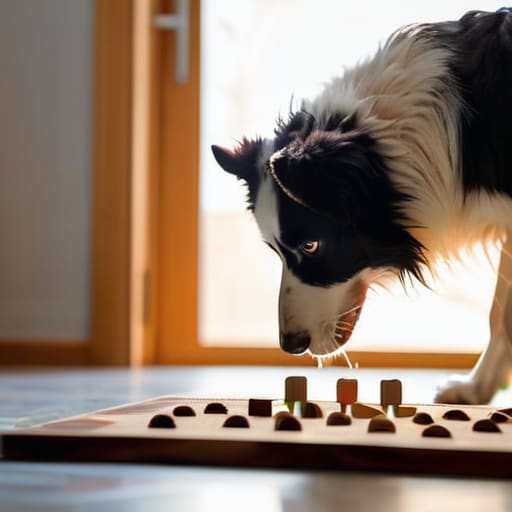
At the end of the day, managing a high-energy dog isn’t about running yourself ragged until you’re too exhausted to function. It’s about understanding that a tired body doesn’t always mean a tired brain. You can walk a dog for five miles, but if he spent the whole time sniffing the same three bushes and ignoring your cues, he’s still going to come home and chew your baseboards. You have to balance that physical output with intentional mental work—whether that’s sniffing games, puzzle feeders, or actual training sessions. Stop looking for the “magic” exercise that will fix everything and start looking at the total daily load you are putting on their nervous system.
I know it’s exhausting. I’ve seen owners come into the clinic looking absolutely defeated because they feel like they’ve failed their dog by not being “enough.” But please, give yourself some grace. You aren’t just a playmate; you are their handler and their provider. If you can’t do a sixty-minute hike every morning, find a way to make ten minutes of nose work happen in your living room. It’s not about perfection; it’s about consistency over intensity. When you find that rhythm where your dog is settled and you aren’t constantly on edge, you’ll realize that the work you put in now is what buys you a peaceful home later.
Frequently Asked Questions
My dog is clearly exhausted after a long walk, but he's still pacing and panting—is he actually tired or am I missing a medical issue?
If he’s panting and pacing after a walk, don’t assume he’s just “wound up.” I’ve seen too many owners mistake heat exhaustion or even early signs of heart issues for simple hyperactivity. Check his gum color—they should be bubblegum pink, not pale or purple. If he’s pacing and can’t settle, even with a bowl of water, call your vet. It’s better to pay a $75 exam fee than a $2,000 emergency bill later.
How much am I realistically going to spend on professional daycare or dog walkers if I can't keep up with his energy levels myself?
Look, I’ve sat in the exam room while owners cried because they couldn’t afford the lifestyle their dog required. If you’re outsourcing, budget for reality: professional dog walkers usually run $25–$40 per 30-minute visit, and daycare can hit $40–$60 a day. That’s $150–$300 a week if you’re doing it daily. It adds up fast. If that number makes your stomach turn, we need to talk about high-intensity mental games you can do at home for free.
Is there a point where I'm overworking him and actually risking a physical injury like a torn ligament or joint issue?
Yes, there absolutely is. I’ve spent enough years pulling limping dogs off exam tables to tell you that “more” isn’t always better; sometimes it’s just more opportunities for a CCL tear. If you see him lagging behind, favoring a limb, or even just acting “off” after a session, stop. Pushing through a limp is how a minor strain becomes a $3,000 surgery. If he’s stiff, you’ve gone too far. Back off.