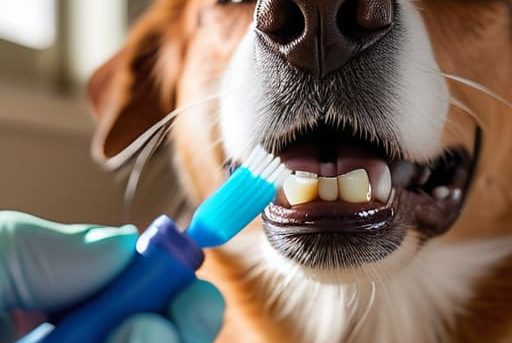
I’ve spent three decades smelling the truth before I even saw it. You know the smell—that sickly, sweet rot that hits you when you lean in to kiss your dog’s forehead. Most people think they can just toss a dental chew into a bowl and call it a day, but let me tell you, those treats are often nothing more than expensive placebo pills. If you’re looking for a magic wand that prevents periodontal disease without any actual effort, you’re in the wrong place. Learning how to brush a pet’s teeth isn’t about buying the fanciest enzymatic gel on the market; it’s about the grit and the routine of actually getting your hands in their mouth when they’d rather be anywhere else.
I’m not here to give you a polished, “perfect” guide that assumes your cat is going to sit still like a little angel. I’m going to tell you how to handle the struggle, what tools are actually worth your money, and—most importantly—when to stop scrubbing and start calling the vet. I’ve seen enough abscessed teeth and $1,500 dental extractions to know that a little bit of daily friction is much cheaper than a surgical emergency. We’re going to do this the practical way, even if it means a few scratches on my arms along the way.
Table of Contents
- Signs of Pet Tooth Decay You Cant Afford to Ignore
- Preventing Canine Periodontal Disease Before the Vet Bill Skyrockets
- Five Ways to Actually Get the Brush in Their Mouth Without a Fight
- The Bottom Line on Dental Care
- ## The Reality of the Routine
- The Bottom Line on Bad Breath
- Frequently Asked Questions
Signs of Pet Tooth Decay You Cant Afford to Ignore
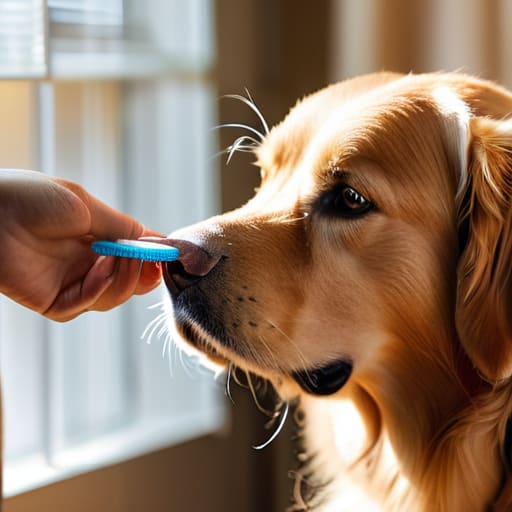
Look, I’ve spent more hours than I can count leaning over a dental tray, and I can tell you right now: by the time you notice a bad smell, the damage is already deep in the bone. Most people think “dog breath” is just part of the deal, but it’s actually one of the primary signs of pet tooth decay. If your dog is dropping food from one side of their mouth or suddenly acting picky about their kibble, they aren’t being “fussy”—they’re likely in pain.
You also need to watch for redness along the gumline, which looks like a bright pink or angry red ring around the teeth. If you see bleeding when they eat, or if they start pawing at their face, stop trying to manage it with home remedies. That is the point where preventing canine periodontal disease shifts from a daily chore to a surgical necessity. At that stage, you aren’t looking at a $20 tube of toothpaste; you’re looking at a several-hundred-dollar dental cleaning under anesthesia, or worse, an extraction. Don’t wait for the limp or the lethargy.
Preventing Canine Periodontal Disease Before the Vet Bill Skyrockets
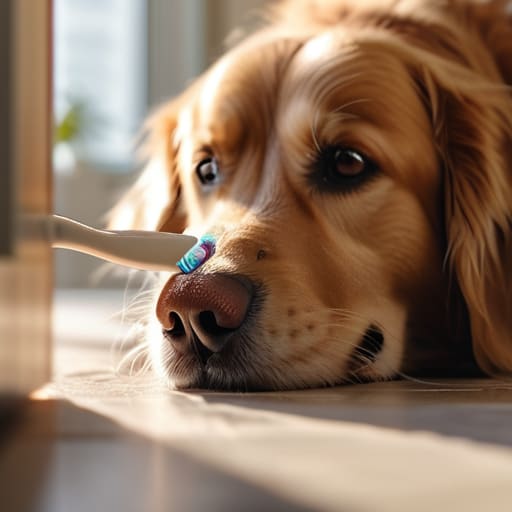
Look, I’m going to be blunt: most of what you see in the pet aisle is marketing fluff. If you want to get serious about preventing canine periodontal disease, you have to stop treating dental care like an optional treat and start treating it like a daily chore. I’ve spent too many afternoons trying to calm down dogs with abscessed teeth that were clearly throbbing. You can start with dental chews or water additives, but those are just band-aids. The real work happens with a soft brush and pet safe toothpaste—and for heaven’s sake, never, ever use human toothpaste. The xylitol in some human brands will kill a dog faster than a bad decision, and the fluoride is just unnecessary stress for their system.
Consistency is the only thing that actually works. I tell my foster kids the same thing: three times a week is better than a marathon session once a month. If you can’t get them to sit still for a minute, don’t fight them; just focus on the gum line where the plaque actually turns into tartar. Even if you’re doing the work, you still need to schedule a regular veterinary dental checkup once a year. You can’t see what’s happening under the gumline with a flashlight in your kitchen, and by the time you notice a limp or a foul smell, the damage is usually already done.
Five Ways to Actually Get the Brush in Their Mouth Without a Fight
- Stop trying to use human toothpaste. I don’t care if it smells like peppermint or if you think it’s “natural”—xylitol will kill a dog faster than you can say “dental hygiene,” and even without that, it tastes like soap to them. Buy the enzymatic paste designed for pets; it does the chemical heavy lifting for you so you don’t have to scrub like you’re cleaning a grout line.
- Forget the “perfect” technique. If you’re trying to brush every single tooth like a hygienist, you’re going to lose this battle by Tuesday. Focus on the outside surfaces—the ones facing the cheeks—where the most tartar builds up. If you can get the molars, you’ve won half the battle.
- Use a finger brush or a gauze wrap if a plastic toothbrush makes them panic. When I was working the floor, I saw plenty of owners get discouraged because their dog wouldn’t let them use a stick. A piece of rolled-up gauze on your index finger gives you much more tactile control, and for a nervous senior dog, it feels a lot less like an invasion.
- Make it a reward, not a chore. If you approach them with a toothbrush and they immediately bolt under the sofa, you’ve already lost. Start by letting them lick the paste off your finger, then move to rubbing their gums with your finger, then the brush. If they aren’t getting a high-value treat immediately afterward, you’re just teaching them to hate the process.
- Consistency beats intensity every single time. I’d rather see an owner who brushes for thirty seconds every single night than someone who tries to do a five-minute deep clean once a week. Plaque hardens into tartar in about 48 to 72 hours; if you wait a week between sessions, you’re basically just polishing old stone.
The Bottom Line on Dental Care
Don’t wait for bad breath to be your first sign; by the time a dog’s breath smells like something died in their mouth, the infection is likely already deep in the bone.
A finger brush and some enzymatic paste are your best friends for daily maintenance, but they won’t fix a broken tooth or a deep pocket—only a vet under anesthesia can do that.
Budget for the “what if.” A routine cleaning might cost you a few hundred, but a full dental with extractions and dental X-rays can easily push into the thousands, so start the small habit now to avoid the massive bill later.
## The Reality of the Routine
“I’ve spent more time than I care to admit holding a snarling, pain-filled dog in a corner while a vet tried to scrape tartar off teeth that should have been cleaned years ago. Brushing your pet’s teeth isn’t about having a ‘perfect’ pet; it’s about avoiding the $1,500 dental surgery and the systemic inflammation that eventually hits their heart and kidneys.”
Marlene Ostrowski
The Bottom Line on Bad Breath
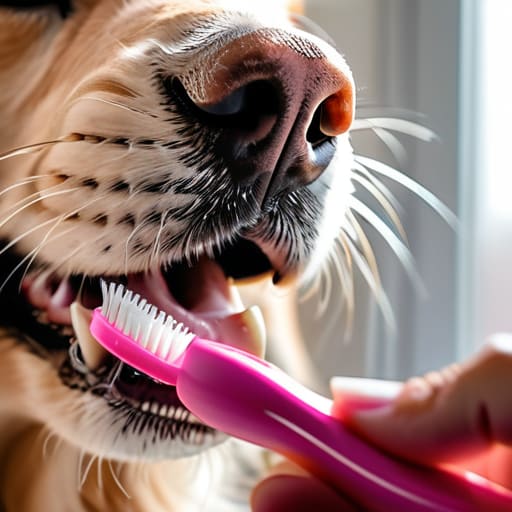
Look, I know the drill. You try the dental chews because they’re easy, you try the water additives because they’re convenient, and then you realize your dog’s breath smells like a dumpster in July. None of that replaces the physical act of scrubbing the teeth. If you can’t see the gumline, you aren’t doing it right. You need to be looking for that redness or that slight bleeding when you brush, because once that tartar turns into calculus, you aren’t fixing it with a toothbrush anymore—you’re looking at a multi-thousand-dollar dental cleaning under general anesthesia. Keep your eyes on the gums, keep the brush moving, and don’t ignore the smell.
At the end of the day, I don’t care if your cat hates you for thirty seconds while you’re working on their molars. I’ve spent too many years sitting in exam rooms watching owners realize that a “small” toothache has turned into a systemic infection that’s taxing a kidney. Brushing is a chore, and it’s an annoying, messy, sometimes frustrating chore, but it is the single best way to ensure your pet isn’t living in constant, quiet pain. Do the work now so you aren’t making emergency decisions later. Your wallet and your pet will both thank you for it.
Frequently Asked Questions
My dog absolutely hates having his mouth touched; is there a way to do this without him biting me or becoming a complete wreck?
Look, I’ve spent half my career holding down dogs that were doing exactly what yours is doing. If he’s snapping, stop. You aren’t going to win a wrestling match with a stressed dog, and a trip to the ER for a human bite is a terrible way to learn dental hygiene. Start with treats, not a toothbrush. Reward him just for sniffing his muzzle. If you can’t get him to tolerate a finger brush in a month, stop fighting and book a professional cleaning under sedation. It’s cheaper than a puncture wound and much more effective.
I see all these different "dental wipes" and "water additives" at the pet store—are they actually worth the money, or am I just throwing cash down the drain?
Look, I’ve seen a lot of people try to “supplement” their way out of dental disease. Most of those water additives are essentially expensive flavored water; they might slightly alter the oral microbiome, but they aren’t scrubbing anything. Dental wipes are a bit better for getting into the sulcus, but they’re still a secondary tool. If you aren’t physically brushing the teeth, you’re mostly just buying expensive placebo. Save your money and buy a decent enzymatic toothpaste instead.
If I can't get him to take a toothbrush, can I just use human toothpaste or some kind of home remedy instead?
Absolutely not. Put the human toothpaste back in the cabinet. Most of it contains xylitol, which is toxic to dogs, or fluoride, which can cause stomach upset. It’s not worth the risk. If a brush is a non-starter, try a dental gel or a water additive. They aren’t magic, but they’re safe. Honestly, if he won’t let you near his mouth, you’re looking at a professional cleaning under anesthesia—and that’s a $500 to $1,000 conversation.