
I’ve spent nearly three decades watching people walk into exam rooms with a stack of printed internet articles, looking more terrified of the bill than the actual diseases. Most of what you’ll find online is either a marketing pitch for a pharmaceutical company or a rabbit hole of conspiracy theories that ignore the biological reality of a sick animal. If you are looking for a complete guide to vaccinations that promises a magical, one-size-fits-all shield for every pet on the planet, you’re in the wrong place. I’ve seen enough parvovirus outbreaks and distemper cases to know that the truth isn’t found in a forum thread; it’s found in the clinical reality of what actually keeps a dog or cat alive.
I’m not here to sell you a lifestyle or scare you for the sake of it. My promise is simple: I am going to break down which shots are non-negotiable, which ones are highly debatable based on your pet’s lifestyle, and exactly what you should expect to see on your invoice. I’ll give you the straight numbers and the medical reasoning behind them, without the fluff. We are going to cut through the noise so you can make a decision based on science and your budget, not on fear or misinformation.
Table of Contents
Immunization Importance and Safety What Actually Matters

Look, I know the internet is full of people claiming vaccines are “unnatural,” but I’ve spent three decades seeing what happens when the “natural” route fails. I’ve held animals in the final stages of parvovirus, and let me tell you, there is nothing natural or peaceful about that kind of suffering. When we talk about immunization importance and safety, we aren’t just checking boxes for a breeder; we are building a biological wall between your pet and a very expensive, very painful death.
You’re going to hear a lot of noise about vaccine efficacy and side effects, and I won’t lie to you—reactions happen. Your dog might be a little lethargic or have a sore spot where the needle went in. That’s normal. But a systemic allergic reaction? That’s rare, and it’s why we watch them in the clinic for fifteen minutes after the shot. The risk of a minor reaction is a drop in the bucket compared to the risk of an unvaccinated dog catching something that turns a $50 visit into a $3,000 ICU stay. We use these tools because they work, and because I’d rather deal with a slightly grumpy cat than a dead one.
Preventative Healthcare Measures and What Theyll Cost You
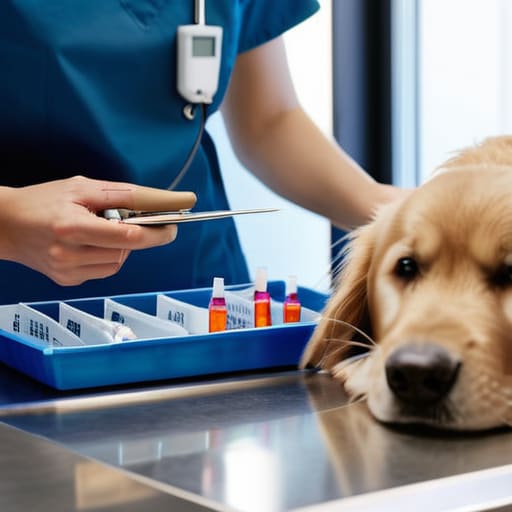
Let’s get down to the brass tacks of what these preventative healthcare measures actually look like when you’re standing at the front desk. You aren’t just paying for a syringe; you’re paying for the technician’s time, the sterile supplies, and the vet’s oversight. For a standard puppy or kitten, you’re looking at a series of visits every three to four weeks. Between the initial shots, deworming, and the inevitable “oops, we forgot the heartworm preventative” conversation, you should budget at least $300 to $500 for that first year. It sounds steep until you realize a single Parvovirus treatment can easily clear $2,000 before you’ve even had lunch.
Once they hit adulthood, the rhythm changes. You’ll move into a cycle of annual or triennial visits depending on the specific vaccine. Most clinics will charge anywhere from $40 to $80 per injection, plus a consultation fee. I always tell people to watch their adult booster shot requirements closely; skipping that annual rabies or distemper update because you “forgot” is a gamble where the house always wins. If you’re looking at a senior pet, expect those costs to creep up as we add more frequent bloodwork to monitor how they’re actually responding to the protocol.
Five Things Your Vet Won't Always Say (But You Need to Know)
- Stop treating every vaccine like it’s a mandatory law. If your dog lives in a high-rise apartment and never touches grass, that Bordetella shot is a conversation, not a requirement. I’ve seen plenty of “over-vaccinated” dogs with nothing but expensive vet bills to show for it, so ask your vet about the actual risk level for your specific lifestyle.
- The “core” vs. “non-core” distinction is where the money is won or lost. Core vaccines—Rabies, Distemper, Parvo—are non-negotiable. Non-core ones, like Leptospirosis or Lyme, depend entirely on whether your dog is actually out in the woods or near wildlife. If you aren’t going to the park, don’t feel guilty about skipping the extras, but don’t skip the core ones to save a hundred bucks.
- Watch the clock on your boosters. I’ve had owners tell me their puppy is “up to date” because they did one round of shots, and then they come to me three months later with a Parvo case that’s going to cost them $3,000 in ICU stabilization. A single dose is a false sense of security; you need the full series to actually build the immunity.
- If your pet is acting “off” after a shot, don’t just Google it. A little lethargy or a sore spot where the needle went in is normal—that’s just the immune system doing its job. But if you see facial swelling, hives, or if they start vomiting, that’s an anaphylactic reaction. That isn’t a “wait and see” situation; that’s a “get in the car and drive to the emergency clinic” situation.
- Keep a physical folder of your records. I don’t care how many “digital portals” your vet uses; they crash, and they lose things. When you’re standing at the boarding facility or the groomer’s desk and they need proof of Rabies to take your dog, you don’t want to be the person frantically emailing a clinic that’s closed for the weekend.
The Bottom Line: What You Need to Remember
Don’t let “lifestyle” be an excuse for skipping core vaccines; even if your dog lives in a fenced yard, a single encounter with a stray or a contaminated patch of soil can turn a $30 shot into a $3,000 emergency room visit for Parvo or Distemper.
Learn the difference between “core” and “lifestyle” vaccines so you aren’t paying for unnecessary extras, but never, ever skip the core ones—they are the non-negotiables that keep your pet alive.
Budget for the preventative care now, because the cost of a monthly flea/tick prescription or an annual booster is a rounding error compared to the cost of treating a tick-borne illness or a sudden infection.
The Real Reason We Vaccinate
I’ve spent thirty years watching people weigh the cost of a routine shot against the cost of an ICU stay for parvovirus or distemper, and let me tell you—the math never favors the person who waits. We aren’t just checking boxes on a medical chart; we are buying insurance against the kind of heartbreak that happens in the middle of a Tuesday night when you realize a preventable disease just became a terminal one.
Marlene Ostrowski
The Bottom Line

Look, I know it feels like a lot of decisions to make, especially when you’re staring at a list of shots and a bill that doesn’t look any smaller. Just remember: vaccinations aren’t about following a checklist to satisfy a vet; they are about building a buffer of protection between your pet and the things that can kill them in a matter of days. We’ve covered the core essentials, the optional extras, and—most importantly—the reality of what this is going to cost you. Don’t let the fear of a hundred-dollar appointment lead you into a three-thousand-dollar emergency later. Focus on the core essentials first, and keep a close eye on how your pet reacts to every single dose.
At the end of the day, my job in the clinic was always about more than just drawing up fluids or labeling vials. It was about the person sitting in the waiting room, trying to do right by a creature that can’t tell them where it hurts. You are your pet’s only advocate, their only voice, and their only line of defense. It isn’t always easy, and it isn’t always cheap, but making these choices now is how you buy them more good years later. You aren’t just buying shots; you are buying time, and in this business, time is the most precious thing we have.
Frequently Asked Questions
My dog is strictly indoors and never goes to a groomer; do I really need to pay for all these shots?
Look, I get it. Your dog is a couch potato who doesn’t even go to the groomer. But “indoors” isn’t a fortress. You bring bacteria home on your shoes, and that one trip to the park or a quick vet visit for a checkup is all it takes. I’ve seen Parvo kill a puppy in a house where the owners swore they were “strictly indoors.” You aren’t paying for the park; you’re paying for the insurance policy.
I saw a post online about vaccine-induced side effects—how do I know if my pet is actually having a reaction or if it's just normal post-shot lethargy?
Look, a little sleepiness or a dull appetite for 24 hours is normal—it’s just the immune system doing its job. But if you see swelling around the muzzle, hives, or if they start vomiting, that’s not “lethargy.” That’s an allergic reaction. If they’re struggling to breathe or their gums look pale, stop reading this and get to an ER immediately. Anaphylaxis doesn’t wait for Monday, and neither should you.
If I miss a booster by a couple of weeks because my budget is tight, is it a catastrophe or can it wait until my next paycheck?
Look, I’ve sat in the exam room with people who were staring at their bank statements instead of their dog’s eyes. If we’re talking about a routine distemper or parvovirus booster and you’re two weeks late? It’s not a catastrophe, but it’s a window of risk you shouldn’t stay open longer than necessary. It’s not a “home remedy” situation; it’s a math problem. Wait for the paycheck, but don’t let “next month” become “next season.”