I’ve spent thirty years watching people walk into a clinic with a “DIY” disaster that could have been avoided with twenty minutes of common sense. Usually, it’s a frantic owner holding a bleeding Golden Retriever because they thought a YouTube tutorial was a substitute for knowing how much pressure to apply to a paw pad. There is a massive difference between a relaxing bath and the frantic, expensive mess that happens when you try to follow a generic complete guide to grooming at home without understanding the actual anatomy underneath the fur. Most of those online guides are written by people who have never had to sedate a cat just to clip a nail, and frankly, they don’t know what they’re talking about.
I’m not here to sell you a fancy rose-scented shampoo or a $200 deshedding tool that’ll just end up in your junk drawer. My promise to you is much more practical: I’m going to tell you exactly which tasks you can safely handle in your living room and which ones are going to end in a trip to the emergency vet. I’ll give you the real numbers on equipment costs and the specific red flags—like skin heat or unusual lumps—that mean you need to stop brushing and start calling the doctor.
Table of Contents
- Essential Dog Grooming Supplies for Beginners Without Wasting Money
- Coat Maintenance by Hair Type Knowing What You Can Handle
- Five Rules to Keep You From Turning Your Living Room Into a Vet Clinic
- The Bottom Line: When to Pick Up the Brush and When to Call the Pro
- The Real Reason We Groom
- Knowing When to Put the Brush Down
- Frequently Asked Questions
Essential Dog Grooming Supplies for Beginners Without Wasting Money
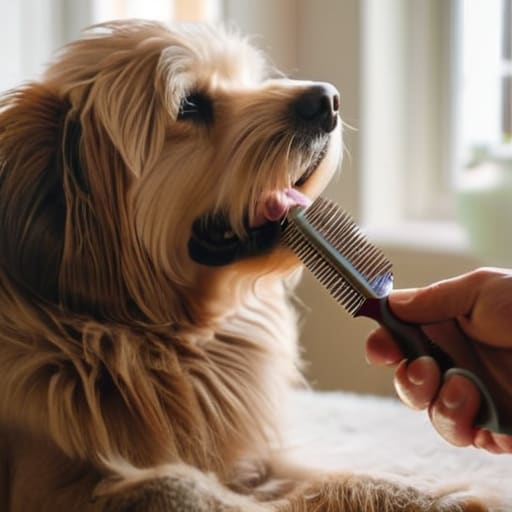
Listen, I’ve seen people walk into a clinic with a dog that looks like a matted rug because they spent eighty dollars on a “professional grooming kit” from an infomercial that included half a dozen useless gadgets. You don’t need a salon in a box; you need the basics that actually work. Start with a decent slicker brush and a stainless steel comb. If you can’t get a comb through the hair without it catching, you aren’t doing coat maintenance by hair type correctly, and you’re likely just pulling on the skin.
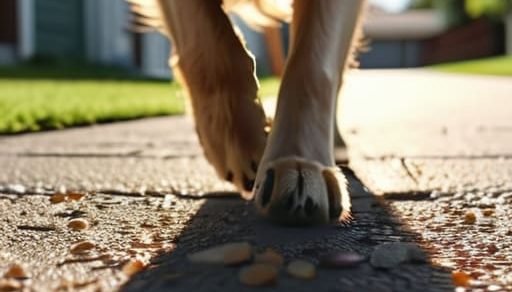
For the nails, skip the fancy electric grinders for now. Get a sturdy pair of sterile nail clippers and learn some safe nail trimming techniques before you try anything else. I’ve spent too many afternoons treating split nail beds and bleeding paws because an owner tried to “power through” a difficult trim. Finally, invest in a high-quality de-shedding tool and a pH-balanced shampoo. Most grocery store soaps are too harsh and will strip the natural oils right off their skin, leaving them itchy and miserable. Stick to the essentials, and save your money for the vet bill you’ll actually need later.
Coat Maintenance by Hair Type Knowing What You Can Handle

If you think a brush is a “one size fits all” tool, you’re going to end up with a frustrated dog and a very expensive vet bill for a skin infection. Coat maintenance by hair type is the difference between a Sunday afternoon chore and a trip to the clinic. If you have a double-coated breed like a Lab or a Husky, you aren’t just “brushing” them; you are managing a massive amount of dead undercoat. If you don’t get a decent slicker brush and actually work through that downy layer, you’ll end up with a matted mess that traps moisture against the skin.
Then you have the “hair” breeds—Poodles, Doodles, or Yorkies—where the hair grows continuously like ours. These guys are high maintenance. For them, preventing matting and tangles is a daily battle, not a weekly one. If you miss even two days, you’ll find a knot behind the ear that feels like a hard pebble. Once that knot is tight against the skin, you can’t just brush it out; you’re looking at a shave-down, and if you aren’t careful with your clippers, you’re looking at a nick that needs stitches.
Five Rules to Keep You From Turning Your Living Room Into a Vet Clinic
- Stop using kitchen scissors for mats. I’ve spent far too many afternoons trying to shave skin that was pulled tight by a knot, and let me tell you, skin is thinner than you think. If you can’t get a comb through the hair, use electric clippers or call a professional; don’t gamble with a pair of dull blades and a nervous dog.
- Learn the “pinch test” for skin health. While you’re brushing, don’t just look at the hair; grab a little fold of skin. If it doesn’t snap back instantly, or if it feels tacky, that’s not a grooming issue, that’s a hydration or systemic issue, and you need to call the vet, not buy a better brush.
- Nail trimming is about the “quick,” not the length. If you’re trimming a black-coated dog and you can’t see the anatomy, stop. I’ve seen owners panic and spend eighty dollars on blood clotting agents because they went a millimeter too deep. If you’re nervous, use a grinder—it’s slower, but it’s much harder to accidentally nick a vessel.
- Don’t ignore the “hidden” areas. Most people focus on the back and sides, but the paws, the armpits, and the groin are where the real trouble starts. I’ve seen countless cases of contact dermatitis or embedded thorns simply because the owner thought a quick brush-over of the torso was “done.”
- Know when to fold your hand. If your dog is panting heavily, whites of the eyes showing, or trying to snap at you, stop immediately. You aren’t “training” them by forcing a bath; you are building a fear response that will eventually cost you a professional sedation fee just to get a simple clip.
The Bottom Line: When to Pick Up the Brush and When to Call the Pro
Know your limits; if you’re fighting a mat that’s pulling the skin taut or if your dog starts panting and snapping, stop immediately—you’re one bad clip away from a bleeding nick or a trip to the ER.
Invest in quality tools once rather than cheap ones repeatedly, because a dull pair of shears is just a recipe for skin trauma and a much higher vet bill later.
Grooming isn’t just about looks; it’s your best chance to catch those lumps, bumps, and weird skin discolorations that usually stay hidden until they’ve become a real problem.
The Real Reason We Groom
Most people think grooming is about looking pretty for a photo, but after thirty years in a clinic, I know it’s actually about reconnaissance; you aren’t just brushing hair, you’re looking for the lump that shouldn’t be there, the ear infection brewing in the canal, or the skin irritation that’s about to turn into a thousand-dollar vet bill.
Marlene Ostrowski
Knowing When to Put the Brush Down
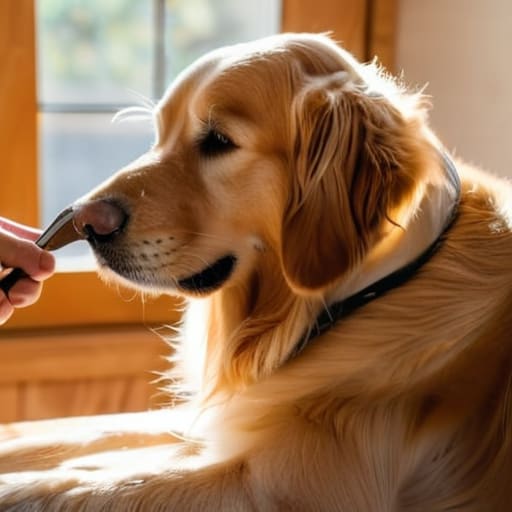
At the end of the day, grooming at home isn’t about achieving that perfectly coiffed, show-dog look you see on Instagram; it’s about being the first line of defense for your pet’s health. You now know the right tools to buy without getting fleeced by the pet store marketing machine, and more importantly, you know which coat types are manageable and which ones are just going to end in a frantic, expensive trip to the vet for a shave-down. Remember: if you encounter a lump that feels like a pea under the skin, a hot spot that won’t quit, or a mat so tight it’s reddening the skin, stop what you are doing. That is the moment you stop being a groomer and start being a pet owner by calling the clinic.
I know it’s exhausting. I’ve spent many an evening wrestling a senior dog who just wants to sleep while I try to work a comb through his tangles. But there is a quiet, vital bond that happens in those minutes of touch. When you’re brushing them, you’re learning the landscape of their body—the way their joints feel, the rhythm of their breathing, and the subtle changes that tell you something is wrong before a blood test ever does. Don’t aim for perfection; aim for connection and vigilance. If you can do that, you’re already doing more for your animal than most people ever bother to try.
Frequently Asked Questions
How do I know if a mat is just a cosmetic nuisance or if it's actually pulling the skin tight enough to cause an infection or a sore?
If you can slide two fingers under the mat and feel the skin moving freely, it’s just a nuisance. But if that mat is glued tight to the body—what we call “pelted”—it’s a problem. If the skin underneath looks red, feels hot, or smells slightly sour, stop. That’s not a grooming task; that’s a localized infection. Don’t try to hack it off with kitchen scissors; you’ll end up in the ER for stitches.
At what point does a "difficult" grooming session become a safety risk for both me and my dog, and when should I just call a professional?
If you’re looking at your dog and seeing teeth, or if they’re lunging so hard you’re worried about a torn ligament or a nicked ear, stop. I’ve seen enough “quick trims” turn into emergency vet visits for lacerations or broken teeth. If they are snapping, freezing, or hyperventilating, you aren’t “training” them anymore—you’re just risking a bite or a panicked injury. When the struggle outweighs the progress, call a pro. It’s cheaper than an ER visit.
What are the actual costs I should expect for professional grooming versus the long-term investment of doing it myself?
Look, I’ve seen people skip professional grooms for six months to save a buck, only to end up paying triple for an emergency skin infection or a surgical clip because the mats were touching the flesh. A decent groomer will run you $60 to $120 per session depending on size. Doing it yourself might cost you $150 upfront for decent shears and clippers, but you’re paying in time and the risk of nicking them.