I spent nearly three decades in a small animal practice watching owners walk in with a guilty look, holding a bag of expensive, boutique kibble and a very upset dog with liquid diarrhea. Most of the “experts” on social media will tell you that you need some fancy, multi-step probiotic ritual or a specialized digestive enzyme to handle a dietary change. They make it sound like rocket science, but usually, it’s just bad math and impatience. If you try to figure out how to switch a pet to new food by swapping the bowls overnight because you “want the best for them,” you aren’t being a good pet parent—you’re just setting yourself up for a midnight cleanup and a very expensive vet bill for dehydration.
I’m not here to sell you a subscription to a meal kit or a miracle supplement. I’m going to give you the actual, unvarnished timeline for how to switch a pet to new food without triggering a gastrointestinal revolt. I’ll tell you exactly how many days to stretch the transition, what signs of a “normal” adjustment look like versus a genuine emergency, and how to save your money for things that actually matter. No fluff, no marketing hype—just the clinical reality of what happens when that new bag hits the bowl.
Table of Contents
The Best Way to Introduce New Kibble Without the Chaos
If you think you can just swap the bowls overnight because the new bag looks more expensive or “natural,” you’re asking for a midnight emergency run to the vet. I’ve spent enough nights cleaning up liquid diarrhea in the clinic to know that a sudden shift in protein or fat content is a recipe for disaster. The best way to introduce new kibble is to treat it like a slow negotiation. You need a proper pet food transition schedule that spans at least seven to ten days. Start with 75% of the old stuff and just a handful of the new; by day four, you should be at a 50/50 split.
Don’t rush it just because your dog is acting like they’re starving. If you move too fast, you’ll see the signs of food intolerance in pets—think vomiting, bloating, or stools that look like chocolate pudding. If that happens, back up to the last successful ratio you tried and stay there for a few days. It’s better to spend an extra week mixing old and new pet food than to spend three hundred dollars on an exam fee because you were impatient.
Mixing Old and New Pet Food a Proper Transition Schedule
If you try to do this all at once, you aren’t being “efficient,” you’re just asking for a midnight run to the vet or a very expensive bag of stool softener. The goal of a proper pet food transition schedule is to give their gut microbiome enough time to adjust to the new protein sources and fat levels. I always tell people to aim for a seven-to-ten-day window. You start with 75% of the old food and just a tiny scoop of the new stuff. Every two or three days, you shift the ratio—50/50, then 25/75—until you’re feeding nothing but the new bag.
Keep a close eye on their stool consistency during this week. Preventing digestive issues in dogs and cats is mostly about watching for the subtle shifts; if you see soft stools or even a little bit of gas, you’ve moved too fast. Don’t just push through it. If they start looking bloated or lethargic, back up to the last ratio that worked for them and stay there for a few extra days. It’s better to spend two weeks transitioning than to spend two days dealing with a dehydrated animal.
Five Rules to Follow Before You Empty the Bag
- Watch the stool, not just the appetite. Your dog might act like they’re starving for the new stuff, but if their poop looks like chocolate pudding, you’ve moved too fast. A little soft is okay; liquid diarrhea means you need to back up to the previous day’s ratio and stay there for another forty-eight hours.
- Keep a close eye on the “itch factor.” I’ve seen plenty of owners swear their pet’s new food is “high quality” right up until the dog starts scratching their ears raw or develops red, angry bumps on their belly. If you see skin changes, stop the transition immediately; it’s likely a protein allergy, not a digestive one.
- Don’t forget the transition isn’t just about the food, it’s about the calories. If you’re switching from a heavy, calorie-dense kibble to a leaner, “holistic” brand, your pet might lose weight if you don’t adjust the volume. I always tell people to keep an eye on their pet’s body condition score—you can feel the ribs, but they shouldn’t be poking out like a xylophone.
- Be wary of the “freezer trick” or sudden changes in texture. If you’re moving from dry kibble to wet food or a raw diet, you’re changing the hydration levels and the way the stomach processes the meal. Do it slowly. A sudden influx of moisture can cause a senior dog’s sensitive stomach to revolt in a way that’s very unpleasant for everyone involved.
- Keep the old food around for a week. I know it’s tempting to toss the half-empty bag of the “cheap” stuff to make room in the pantry, but don’t. If the new food causes a massive GI upset or an allergic reaction, you’ll need that old stuff to get them back to a baseline. Having a “safety net” in the pantry can save you a $400 emergency vet visit for dehydration.
The Bottom Line: Don't Rush the Process
Follow a slow transition schedule—usually seven to ten days—to prevent the kind of GI upset that turns your living room rug into a disaster zone.
Watch for “red flag” symptoms like persistent vomiting, bloody stools, or a complete loss of appetite; if those show up, stop the new food immediately and call your vet.
Keep a close eye on stool consistency and energy levels during the switch, because a little soft stool is a warning, but lethargy is an emergency.
The Cost of a Quick Switch
I’ve seen owners try to save ten minutes by swapping the bowls overnight, only to spend the next three days paying an emergency vet fee for dehydration and a very expensive bout of colitis. If you aren’t willing to spend a week mixing the food, you aren’t actually feeding them; you’re just gambling with their GI tract.
Marlene Ostrowski
The Bottom Line on the Bowl
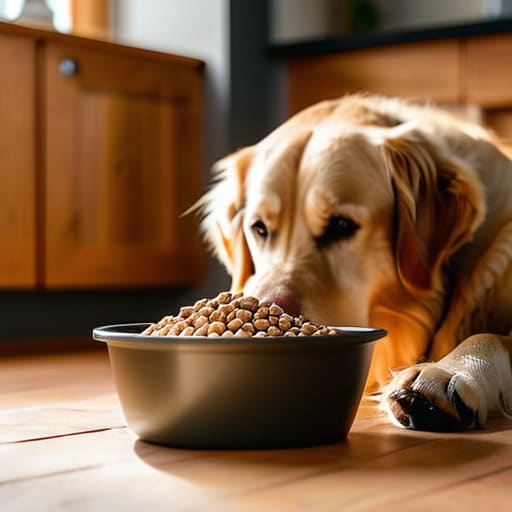
At the end of the day, switching food isn’t about following a rigid rulebook; it’s about watching the animal in front of you. You’ve got the schedule—start slow, mix the old with the new over seven to ten days, and keep an eye on the stool consistency. If you see liquid diarrhea or if they stop eating entirely, stop the transition and call your vet. Don’t try to be a hero by pushing through a sick pet just because you already bought a twenty-dollar bag of premium kibble. Listen to their gut, literally, because a little patience now saves you a midnight trip to the emergency clinic and a three-hundred-dollar bill for gastrointestinal upset later.
I know it feels like a chore, and I know it’s frustrating when your cat acts like you’ve served them gravel instead of the fancy new salmon pate you spent an hour researching. But taking these extra few days to transition properly is one of the simplest ways you show them you care. You aren’t just changing what’s in the bowl; you’re protecting their stability. It’s the small, unglamorous things—the slow mixing, the careful monitoring, the stubborn refusal to rush—that actually build a long, healthy life. Do it right, do it slow, and trust your instincts as much as you trust the bag.
Frequently Asked Questions
What do I do if my dog refuses to touch the new food even when I mix it in?
If they won’t touch it even when mixed, stop forcing the issue. You’re just creating a power struggle that ends with a picky eater. First, check the temperature; warming the food slightly can release those aromas that trigger their appetite. If that fails, try a “topper”—a spoonful of plain, unsalted chicken broth or a tiny bit of wet food. If they still refuse for more than 24 hours, call your vet. A dog that won’t eat is a dog that’s losing electrolytes fast.
How do I tell the difference between a little bit of loose stool and a serious allergic reaction?
Look, a little soft stool isn’t the end of the world; it usually means you rushed the transition. If it’s just a bit mushy but they’re still acting normal, keep an eye on them. But if you see hives, facial swelling, or if they start vomiting and acting lethargic, that’s an anaphylactic reaction. That’s not a “wait until Monday” situation. That is an ER visit tonight. Don’t gamble with their airway.
Is it worth the extra money to buy a prescription diet if my cat is just a picky eater?
If your cat is just being a snob, don’t waste the money. Prescription diets—like Hill’s m/d or Royal Canin Gastrointestinal—are expensive for a reason; they’re formulated for specific medical pathologies like kidney disease or pancreatitis. Buying them for a picky eater is like buying prescription medication because you don’t like the taste of your vitamins. Save that cash for actual vet visits. If they aren’t eating, that’s a medical issue, not a preference.