I can still smell the metallic, bitter scent of that spilled antifreeze from a Tuesday night shift back in ’98. It was 2:00 AM, the clinic was quiet, and then a frantic owner burst in with a Golden Retriever that was already stumbling like he’d had ten martinis. People think learning how to pet proof against household poisons means buying a dozen expensive, color-coded locking bins from a boutique pet store, but that’s just expensive fluff. The real danger isn’t what you don’t have; it’s the stuff you already own, sitting in plain sight, waiting for a curious nose or a heavy paw to knock it over.
I’m not here to sell you a lifestyle brand or give you a list of “cute” safety gadgets. I’m going to tell you exactly which cabinets need a real latch, which “natural” cleaners are actually ticking time bombs, and—most importantly—what it’s going to cost you if you decide to “wait and see” after they ingest something. I’ve spent thirty years cleaning up the aftermath of preventable mistakes, and I promise to give you the unvarnished truth about what actually keeps your animals alive.
Table of Contents
- Safe Storage for Household Chemicals and Preventing Accidental Pet Ingestio
- Finding Pet Safe Cleaning Products That Wont Kill Your Best Friend
- Five Real-World Rules for Keeping the Poison Out
- The Bottom Line: What You Need to Do Before the Emergency Happens
- The High Cost of Convenience
- The Bottom Line on Keeping Them Safe
- Frequently Asked Questions
Safe Storage for Household Chemicals and Preventing Accidental Pet Ingestio
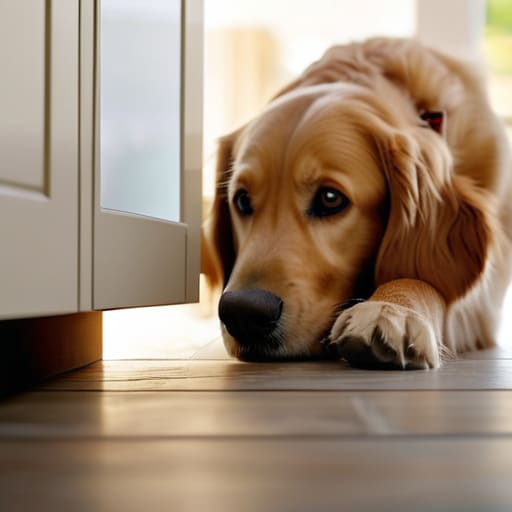
I’ve spent enough shifts cleaning up spilled bleach and broken detergent pods to know that “out of sight” isn’t enough. If you have a dog that thinks a fallen laundry pod is a snack, or a cat that can hook a claw through a cabinet door, you can’t just rely on a standard cupboard. Safe storage for household chemicals means high, locked, or child-proofed containers—not just “under the sink.” I’ve seen too many owners realize too late that their “clever” dog figured out how to nudge a cabinet door open. If it’s liquid, if it’s concentrated, or if it’s a powder, it needs to be behind a physical barrier that requires more than a nose or a paw to bypass.
Beyond the heavy stuff, you need to be mindful of your daily routine. I always tell people to keep an emergency veterinary contact list taped to the fridge, right next to the number for the Pet Poison Helpline. If you do find something has been ingested, you won’t be fumbling through your phone while your pet is seizing or vomiting. It’s about shaving off those precious minutes that make the difference between a controlled decontamination and a full-blown crisis.
Finding Pet Safe Cleaning Products That Wont Kill Your Best Friend
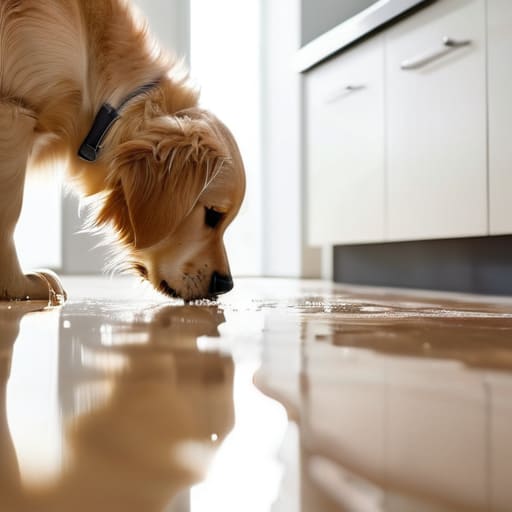
Look, I know the drill. You want a house that smells like a lemon grove or a mountain breeze, but most of those “scented” cleaners are just a cocktail of surfactants and fragrances that can wreak havoc on a cat’s skin or a dog’s respiratory system. When I worked in the clinic, I saw more cases of contact dermatitis and GI upset from floor cleaners than I did from actual intentional poisonings. If you aren’t looking for pet safe cleaning products, you’re basically just playing a game of chemical roulette. Look for labels that explicitly state they are non-toxic, and for heaven’s sake, avoid anything containing bleach or ammonia if you have a “licker”—that dog that thinks every spill is a snack.
It isn’t just about the spray bottle, though. You also have to watch what you’re bringing in through the door. I’ve seen owners walk in with a beautiful new fern only to end up in the emergency room because they didn’t realize they’d just brought home toxic houseplants for dogs and cats. If you aren’t sure if a plant is safe, don’t guess. Look it up before you buy it. It is much cheaper to buy a spider plant than it is to pay for an IV catheter and a night in the ICU.
Five Real-World Rules for Keeping the Poison Out
- Stop assuming your cabinets are “childproof” enough for a curious dog. If you have a dog that can nudge a door open with its snout or a cat that can squeeze behind the laundry machine, those plastic latches won’t hold. Keep the heavy-duty stuff—antifreeze, concentrated cleaners, and rodenticides—in a locked cabinet or, better yet, a high shelf that requires a step stool. If they can reach it, they will eventually eat it.
- Watch your trash cans like a hawk. I’ve seen far too many dogs end up in the ER with pancreatitis or chemical burns because they managed to scavenge a discarded takeout container or an empty bottle of something nasty from the bin. If you aren’t using a heavy-duty bin with a locking lid, you’re just leaving a buffet of toxins out for them.
- Be careful with the “natural” stuff. I know, everyone loves the idea of essential oils and organic cleaners, but just because it’s plant-based doesn’t mean it’s safe. Tea tree oil, peppermint, and certain citrus oils can be incredibly toxic to cats if diffused heavily or applied to the skin. “Natural” is not a synonym for “non-toxic,” and a vet visit for an essential oil toxicity will cost you just as much as a visit for a chemical burn.
- Check your garage and garden before you leave the house. Antifreeze is the big one—it tastes sweet to dogs, and even a tiny amount (we’re talking a few milliliters) can cause kidney failure in a 10kg dog. If you have a spill, don’t just wipe it up; use an absorbent material and then scrub the area. If you see your pet acting lethargic or vomiting after they’ve been sniffing around the garage, don’t wait until Monday; get them to the vet tonight.
- Keep your medications in a dedicated, secure spot. It’s easy to leave a bottle of Ibuprofen or even your own blood pressure pills on the nightstand, but to a pet, those are just pills that look like treats. I’ve seen people lose their pets to a single accidental dose of human medication. If it isn’t in a pill organizer or a locked drawer, it’s a hazard.
The Bottom Line: What You Need to Do Before the Emergency Happens
Stop treating your cleaning cupboard like a pantry; if it’s not food, it needs to be behind a latch or on a high shelf, because a $50 bottle of floor cleaner can turn into a $2,000 emergency vet bill in about thirty seconds.
Read the labels for the actual ingredients, not the marketing fluff, and if you see words like “phenol” or “essential oils” on a product you use daily, swap it out for something boring and benign—it isn’t worth the risk.
Keep the Poison Control number (888-426-4435) taped to your fridge or saved in your phone right now, because when your dog is foaming at the mouth, you won’t have the headspace to be searching Google for “is bleach toxic.”
The High Cost of Convenience
“I’ve spent too many nights in emergency triage watching owners realize that a ‘convenient’ bottle left on the floor wasn’t worth the $4,000 bill or the heartbreak of a preventable seizure. If you wouldn’t leave a bottle of bleach open on the kitchen table while you’re sleeping, don’t leave it there while your dog is roaming the house; pet-proofing isn’t about being paranoid, it’s about making sure your Tuesday night doesn’t turn into a frantic, expensive middle-of-the-night crisis.”
Marlene Ostrowski
The Bottom Line on Keeping Them Safe
At the end of the day, pet-proofing your home isn’t about achieving some impossible standard of sterile perfection; it’s about managing the predictable risks that exist in every household. You don’t need to throw out every cleaning product you own, but you do need to stop leaving the half-empty bottle of bleach on the floor while you run to the mailbox. You need to check your labels, swap out the toxic stuff for the safer alternatives we discussed, and—most importantly—make sure your cabinets actually stay shut. If you can control the storage of your chemicals and be mindful of what you’re spraying on the floors, you’ve already eliminated about ninety percent of the danger your pet faces in a typical afternoon.
I’ve stood in exam rooms with owners who were devastated, staring at a bill for three thousand dollars for gastric lavage and IV fluids because of a single swallowed pill or a spilled bottle of floor cleaner. It is a heavy price to pay for a moment of convenience. But please know this: being proactive isn’t being paranoid, it’s being a guardian. You are the only thing standing between your pet and a very bad day. Take the time to do the walk-through, secure the cupboards, and trust your gut if something looks wrong. You’re doing the hard work now so you don’t have to do the heartbreaking work later.
Frequently Asked Questions
If I accidentally find my dog has chewed a cleaning pod, how long do I actually have before I need to stop driving and head to the emergency vet?
Stop driving and go. Now. If you see a popped pod or your dog is foaming, gagging, or acting lethargic, you don’t have a “wait and see” window. Those concentrated chemicals can cause chemical burns in the esophagus or systemic toxicity in minutes. An emergency visit for a concentrated ingestion can easily run you $400 to $800 just for the exam and stabilization. Don’t try to induce vomiting at home; you’ll just burn them twice.
I've heard people say baking soda and vinegar are "safe," but can they actually cause issues if my cat gets into them?
Look, I love a good DIY hack as much as the next person, but “natural” doesn’t always mean “safe.” If your cat drinks a concentrated amount of vinegar, you’re looking at potential irritation to the mouth and esophagus. If they ingest a large amount of baking soda, it can mess with their electrolyte balance or cause gastric upset. It’s usually not an immediate “emergency room at 2 a.m.” situation, but it’s also not something you want them licking off the floor.
What is the realistic cost difference between treating a minor ingestion versus a major poisoning, and how do I prepare for that?
Look, I’m not going to sugarcoat it: a minor ingestion—say, a dog licking up a bit of spilled floor cleaner—might cost you $200 for an exam and some induced vomiting. But a major poisoning, like xylitol or antifreeze, is a different beast entirely. You’re looking at $2,000 to $5,000 for hospitalization, IV fluids, and organ support. To prepare, keep a dedicated “emergency fund” or a credit card with a high limit ready. Don’t let a lack of math be the reason you hesitate when every minute counts.