
If you’ve spent more than five minutes scrolling through pet forums, you’ve probably been told that the secret to managing hairballs is a $50 boutique salmon-oil supplement or a specialized “hairball control” kibble that costs twice as much as the regular stuff. Honestly, most of that is just expensive marketing designed to make you feel like you’re failing if you aren’t buying the shiny bag. I spent nearly three decades in a clinic watching people pour money into “miracle” treats while their cats were still hacking up grey sludge on the expensive rug. Learning how to deal with hairballs isn’t about finding the most expensive product on the shelf; it’s about knowing the difference between a routine grooming issue and a gastrointestinal blockage that’s going to cost you a $1,200 emergency vet bill at 2:00 AM.
I’m not here to sell you a subscription to a luxury pet brand or give you some half-baked home remedy involving olive oil. I’m going to tell you what actually works, what’s a waste of your hard-earned money, and—most importantly—when to stop DIY-ing it and start driving to the clinic. I’ll give you the real numbers and the clinical reality of what’s happening in your cat’s gut, so you can stop worrying about every little cough and start acting with confidence.
Table of Contents
Recognizing Signs of Hairball Obstruction Versus a Simple Gag
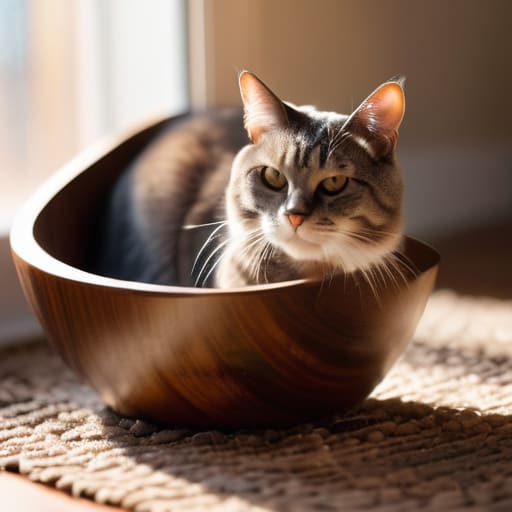
There is a massive difference between a cat hacking up a wet, disgusting lump of fur and a cat that is actually in distress. Most of the time, you’ll see that rhythmic, hunched-over gagging, followed by the “prize” hitting the floor. That’s a standard hairball. You can usually manage that with a little more brushing or a gentle hairball remedy for cats like a malt paste. I’ve seen enough of these to know that as long as they eat, drink, and use the litter box normally afterward, they’re fine.
However, you need to watch for the signs of hairball obstruction that turn a nuisance into a crisis. If your cat is dry-heaving repeatedly but nothing is coming up, or if they are acting lethargic and refusing their favorite treats, the hair isn’t moving through. An obstruction means the mass is stuck in the GI tract, and that is a medical emergency. If they start vomiting bile or their abdomen feels tense, don’t wait for a morning appointment. You need to get them to a clinic immediately, because waiting for a Monday appointment can be the difference between a simple procedure and a fatal situation.
When a Hairball Remedy for Cats Isnt Enough

Look, I know the temptation to just keep buying those little tubes of lubricant or switching to the “best hairball control food” on the shelf. Most of the time, a gentle hairball remedy for cats works just fine to move things along. But there is a hard ceiling to what a supplement can do. If you’ve been using a lubricant for three days and your cat is still acting lethargic or skipping meals, the “plug” isn’t moving. At that point, you aren’t dealing with a minor nuisance anymore; you’re dealing with a mechanical blockage that no amount of malt paste is going to dissolve.
When a blockage happens, the hairball essentially acts like a dam in a river. It stops the flow of everything else. You might see them trying to vomit but nothing comes up—just that wet, miserable sound of dry heaving. This is where preventing feline hairballs through routine grooming becomes a secondary concern to actual survival. If they are straining, hiding, or showing any signs of abdominal pain, stop trying to fix it at home. An obstruction often requires an ultrasound and, quite frankly, an expensive hospital stay to resolve.
Five things I wish every owner knew before they started panicking
- Stop buying the generic “hairball lubricant” gels until you check the ingredients. Most of them are just flavored petroleum jelly. If you’re going to use a supplement, look for something with malt paste or a bit of soluble fiber that actually moves things through the GI tract rather than just coating it.
- Get a brush, not a vacuum. I’ve seen too many owners try to “fix” the problem by picking out visible tufts of fur after the cat has already swallowed half the coat. You need to get the loose stuff off before it hits the stomach. If you aren’t brushing them daily, you’re playing a losing game of catch-up.
- Don’t ignore the weight factor. If you have a heavy cat—say, a 7kg beast—that’s swallowing a massive amount of fur, a tiny bit of fiber isn’t going to cut it. You have to scale your approach. I always tell people to look at the calorie count and the fiber percentage relative to the animal’s size, not just follow the label on a small tin.
- Wet food is your best friend, even if your cat is a picky eater. Moisture helps the transit time in the gut. A dry-food-only diet is a recipe for constipation, and constipation is the best friend of a hairball obstruction. If they won’t eat canned, try mixing a little bit of warm water into their kibble to get the hydration up.
- Watch the frequency, not just the event. One hairball a week is a nuisance; three hairballs in two days is a red flag. If the frequency changes, the “remedy” isn’t working, and you’re likely looking at an impaction. At that point, stop trying to fix it at home and call the clinic.
The bottom line
If the hacking stops but the retching continues and they won’t eat, stop looking for a home remedy; that’s an obstruction, and it’s an emergency.
Don’t waste money on expensive “gourmet” hairball treats if your cat is already a heavy shedder; a simple dose of plain, food-grade lubricant or a high-fiber diet is usually what actually does the heavy lifting.
Watch the frequency, not just the event—one hairball a week is a nuisance, but three days of unproductive gagging is a crisis.
The difference between a gag and a crisis
“I’ve sat in exam rooms with owners who were convinced their cat was just having a ‘funny coughing fit’ right up until the moment the ultrasound showed a massive, undigested mass of fur blocking the small intestine. A hairball is a nuisance; an obstruction is a surgical emergency that will cost you three thousand dollars and a sleepless night in an ER waiting room. Learn the difference before your cat’s stomach decides for you.”
Marlene Ostrowski
The Bottom Line on Hairballs

Look, if you can manage the routine stuff—keeping the brushing up, using a little bit of malt paste, and making sure they’re actually eating their kibble—you’ll handle most hairball issues just fine. But you have to keep your eyes open. Don’t mistake a cat that is repeatedly dry-heaving for one that is just having a little trouble with a clump of fur. If the hairball isn’t coming up and they start acting lethargic or lose their appetite, you aren’t dealing with a nuisance anymore; you’re dealing with a potential intestinal blockage. At that point, the time for home remedies has passed, and the time for a vet visit has arrived.
I know how it feels when you see them hacking; it’s stressful, and it makes you feel like you’re failing them. But remember that most of this is just part of the territory of living with a predator in your living room. You don’t need to be a perfect pet parent, you just need to be an observant one. Trust your gut. If something feels off, it usually is. You’ve spent years learning their rhythms, so trust that instinct over a random post on a forum. You know your cat better than anyone else ever will, and that’s the best tool you’ve got.
Frequently Asked Questions
Is it safe to use olive oil or Laxatone if my cat is already showing signs of a blockage?
Stop right there. If you already see signs of a blockage—meaning they’re vomiting, lethargic, or haven’t pooped in days—do not give them olive oil or Laxatone. Pushing more lubricant into a system that’s physically obstructed is like trying to clear a clogged pipe by adding more sludge; it won’t work and it can make things much worse. At this stage, they need an X-ray and a vet, not a kitchen remedy.
How much should I expect to pay for an X-ray or ultrasound if the vet suspects an obstruction?
Look, I’m not going to give you a single number because every clinic’s markup is different, but I’ve seen the invoices. For a basic two-view X-ray to see if there’s a physical blockage, expect to shell out anywhere from $150 to $300. If they need an ultrasound to see the soft tissue detail, you’re looking at $400 to $600 minimum. It’s a gut punch, I know, but an empty wallet doesn’t fix a twisted bowel.
At what point does a daily hairball paste become a necessity rather than an optional supplement?
If your cat is hacking up a hairball once a month, a paste is just an optional convenience. But if you’re seeing weekly gagging or, worse, they’re straining and nothing is coming up, that’s when it becomes a necessity. I usually suggest starting a daily regimen if they’re long-haired or if you notice their stool getting smaller and harder—that’s the hair moving through. It’s cheaper to buy a tube of Laxatone now than an ultrasound later.