I’ve spent thirty years watching people walk into my clinic with dogs that have developed “phantom” skin rashes or even tracheal collapses, only to realize the culprit wasn’t a disease, but a cheap, ill-fitting piece of nylon. Most of the pet industry wants you to believe that a $60 “ergonomic” harness is a magic fix, but they won’t tell you that if the geometry is wrong, you’re just paying for a more expensive way to bruise your dog’s ribs. This isn’t about finding the prettiest pattern on Instagram; this is a complete guide to lead and harness fitting designed to stop you from accidentally causing the very injuries you’re trying to prevent.
I’m not here to sell you on “lifestyle brands” or overpriced gadgets that look good in photos but fail in a real-world walk. I’m going to give you the clinical reality of how gear interacts with a dog’s anatomy, from the pressure points on a senior’s spine to the exact measurements you need to avoid nerve impingement. I’ll tell you when a harness is just a nuisance and when it’s a genuine safety risk, so you can spend your money on things that actually matter.
Table of Contents
- Finding the Correct Harness Size for Dogs Without the Guesswork
- Adjusting Dog Harness Straps to Prevent Painful Chafing
- Five Things I Learned from Decades of Wrestling Dogs into Gear
- The Bottom Line on Fit and Safety
- ## The Cost of a Bad Fit
- Don't Set Yourself Up for a Vet Visit
- Frequently Asked Questions
Finding the Correct Harness Size for Dogs Without the Guesswork
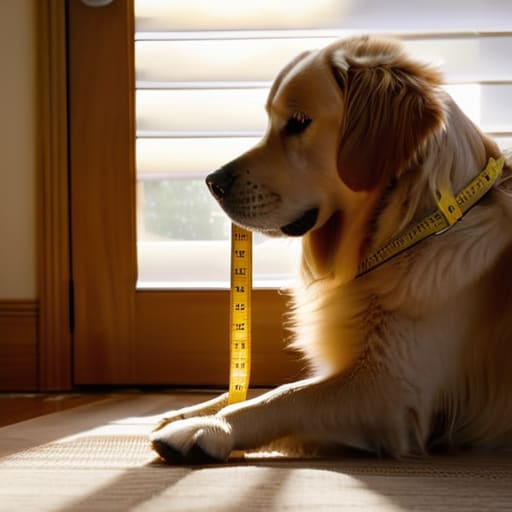
Most people treat harness sizing like they’re buying a t-shirt, but a dog’s body isn’t a flat surface. If you just eyeball it, you’re going to end up with a dog that is either chafing at the armpits or, more likely, one that is halfway out of the gear before you even hit the sidewalk. To get the correct harness size for dogs, you have to stop looking at the weight on the bag and start using a soft measuring tape. I need you to measure two specific points: the circumference of the chest—right behind the front legs where it’s widest—and the neck. If you’re measuring a rescue or a senior with a bit of a “spare tire,” give yourself an extra centimeter of wiggle room.
Once you have those numbers, the real work is adjusting dog harness straps so they actually stay put. The “two-finger rule” is my gold standard: you should be able to slide two fingers comfortably between the strap and your dog’s skin. Any tighter and you’re risking skin scald; any looser and you’re looking at a frantic, expensive trip to the emergency vet because your dog managed a “slip-out” mid-walk.
Adjusting Dog Harness Straps to Prevent Painful Chafing
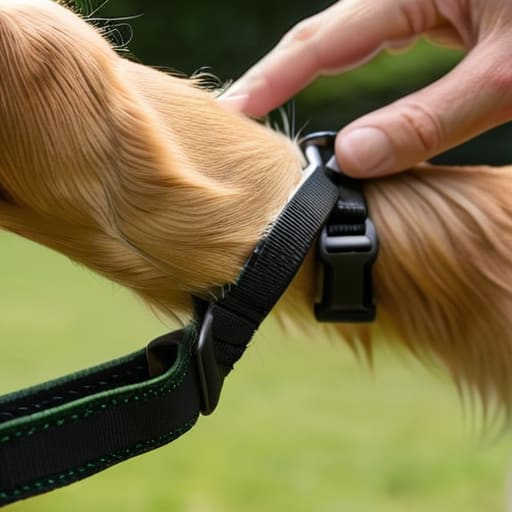
Once you’ve actually found the correct harness size for dogs, the job isn’t finished. I’ve spent many a shift looking at “hot spots”—those raw, red patches of skin under the armpits or around the chest—because an owner thought a snug fit was a good fit. When you are adjusting dog harness straps, the rule of thumb is the “two-finger test.” You should be able to slide two fingers comfortably between the strap and your dog’s body. If you can’t, it’s too tight and you’re asking for friction burns; if you can fit your whole hand in there, they’ll slip it right off the moment they see a squirrel, which leads straight to preventing harness escape issues later.
Pay special attention to the straps near the front legs. If they are too high, they’ll chafe the axilla; too low, and they’ll rub the brisket. I always tell people to check the tension after a walk, especially if the dog has been active. Skin that looks fine when they are lying down can become irritated once the hair gets matted or sweaty. If you see any redness or hair loss, don’t just wait for it to clear up—adjust the fit immediately or switch to a different style.
Five Things I Learned from Decades of Wrestling Dogs into Gear
- The Two-Finger Rule isn’t a suggestion, it’s the law. If you can’t snugly fit two of your fingers between the strap and your dog’s skin, it’s too tight and you’re asking for a pressure sore; if you can fit your whole hand, they’re going to slip out the second they see a squirrel.
- Stop ignoring the “rub marks.” If you see redness or thinning hair around the armpits or the chest, that harness is failing them. I’ve seen skin infections that cost hundreds in antibiotics just because an owner thought a little chafing was “normal.”
- Check the hardware every single time you clip in. I’ve seen plastic buckles crack from age or sun exposure—they look fine until they’re under the tension of a 40kg dog pulling toward a stranger, and then they snap. If the plastic feels brittle or the metal ring is bent, toss it.
- Don’t trust the “Small, Medium, Large” labels on the box. Every manufacturer has a different idea of what a “Medium” is, and most of them are wrong. Always measure the girth—the widest part of the ribcage—in centimeters first, then convert to inches if you must, but trust the tape measure over the tag.
- Watch how they move, not just how they look. A harness might look “cute” and fit the measurements, but if your dog is tripping over their own feet or their gait looks stiff and unnatural, the geometry of that harness is wrong for their anatomy. If they’re walking weird, the gear is wrong.
The Bottom Line on Fit and Safety
If you can’t comfortably slide two fingers between the strap and your dog’s skin, it’s too tight and you’re asking for a pressure sore; if you can fit your whole hand, it’s too loose and they’ll slip it in a heartbeat.
Don’t just measure the neck and chest and call it a day—check the “axilla” (that’s the armpit area) to ensure the straps aren’t rubbing against the sensitive nerve clusters there, which is how you end up with a dog that suddenly refuses to walk.
A harness is a tool, not a permanent fixture; you need to check the tension and the integrity of the buckles every single time you go out, because a frayed strap or a loose adjustment is how a walk turns into an emergency trip to the vet to find a lost pet.
## The Cost of a Bad Fit
“I’ve spent more time than I care to admit cleaning up pressure sores and treating skin infections caused by owners who thought a ‘one size fits all’ harness was a bargain; if you aren’t checking the tension and the placement every single time you clip that lead, you aren’t just being careless, you’re actively causing pain.”
Marlene Ostrowski
Don't Set Yourself Up for a Vet Visit
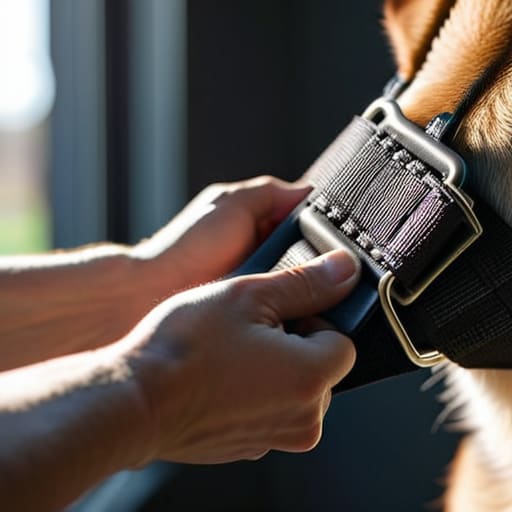
At the end of the day, fitting a harness isn’t about aesthetics or matching your dog’s coat; it’s about preventing long-term structural damage. We’ve covered the math of measuring the girth and chest—which, for the record, should usually be around 20% more than the actual measurement to allow for breathing—and we’ve talked about the immediate red flags like chafing and restricted movement. If you ignore a poorly fitted harness, you aren’t just dealing with a cranky dog; you are potentially looking at shoulder impingement or even spinal misalignment that will cost you a lot more in physical therapy bills than a new piece of gear ever would. Check the fit every single week, because dogs change weight, and a harness that fit in June might be a torture device by August.
I know it feels like one more thing to manage in a life already full of vet appointments and training sessions, but getting this right is a fundamental part of being a good steward for your animal. You don’t need the most expensive tactical rig on the market, but you do need to be observant. Your dog can’t tell you that the strap is pinching their nerve or that the buckle is digging into their skin; they can only show you through a limp or a change in temperament. Trust your eyes and trust your hands when you feel for those pressure points. When you get the fit right, you aren’t just going for a walk; you are protecting their ability to move comfortably for years to come.
Frequently Asked Questions
What should I do if my dog is a "middle ground" size and falls between two different harness measurements?
If your dog is stuck between sizes, buy the larger one. A harness that’s too tight is a recipe for skin infections and restricted breathing, and I’ve seen enough rubbing sores to know it’s not worth the risk. You can always tighten a strap on a larger harness, but you can’t stretch a small one. Just make sure you can still fit two fingers comfortably under every strap so you aren’t cutting off circulation.
How can I tell if a harness is actually causing skin irritation versus just being a bit snug?
Look, there’s a difference between a snug fit and a friction burn. If it’s just snug, the dog might be a little stiff, but they aren’t licking the area incessantly. If you see redness, hair loss, or little crusty scabs, that’s irritation. I’ve seen dogs develop hot spots from cheap nylon that rubs too much. If they’re obsessively grooming the spot or if the skin feels warm to the touch, take the harness off immediately.
If my dog is a heavy puller, is it worth spending the extra money on a front-clip harness, or will a standard one work fine?
If your dog is a heavy puller, stop debating and just buy the front-clip harness. A standard back-clip harness actually rewards pulling by using the dog’s momentum to propel them forward; it turns them into a little freight train. A front-clip harness uses physics to redirect their center of gravity toward you when they lung. It’ll cost you an extra $20 or $30, but it’s cheaper than a torn rotator cuff or a trip to the vet for a pulled shoulder.