
I’ve spent thirty years watching people pour money into “gourmet” weight-loss kibbles and expensive metabolic supplements, thinking they’re doing something helpful when they’re really just feeding the problem. Most of these fancy labels are just marketing wrapped in a shiny bag, and frankly, they’re a distraction from the actual math of caloric intake. If you’re looking for a miracle pill or a boutique diet that costs fifty dollars a bag to shave a few ounces off your lab, you’re looking in the wrong place. This isn’t about finding a magic ingredient; it’s about understanding that a complete guide to pet weight management is actually about discipline and physics, not expensive gimmicks.
I’m not here to sell you a brand or a lifestyle; I’m here to give you the clinical reality of what works. I’m going to tell you how to actually measure portions without losing your mind, how to spot the difference between a healthy slow burn and a dangerous crash, and exactly when a “heavy” pet becomes a medical emergency. I’ve seen too many seniors suffer from preventable joint pain and diabetes because owners were too afraid to cut back on the treats. We’re going to do this the right way: no fluff, no hype, just the facts.
Table of Contents
Monitoring Pet Body Condition Score Before Its Too Late

You can’t rely on a scale alone to tell you if your pet is getting heavy. I’ve seen owners get obsessed with the number on the digital display while completely missing the fact that their cat has lost all muscle definition. That is why monitoring pet body condition score—or BCS—is the only way to actually see what’s happening under the fur. You aren’t looking for a number; you’re looking for the ribs. If you can’t feel them with a light touch, or if you have to press hard just to find them, your pet is already sliding into a danger zone.
In my experience, most people wait until they see a “roll” before they worry. By then, you’re often dealing with joint inflammation or insulin resistance. I want you to run your hands along their flanks every single week. You’re looking for a visible waistline when viewed from above and a tucked-up abdomen from the side. If that waistline disappears, it’s time to stop treating treats like a right and start calculating pet caloric needs based on their actual lean mass, not just the bag’s generic instructions.
Calculating Pet Caloric Needs Without the Guesswork
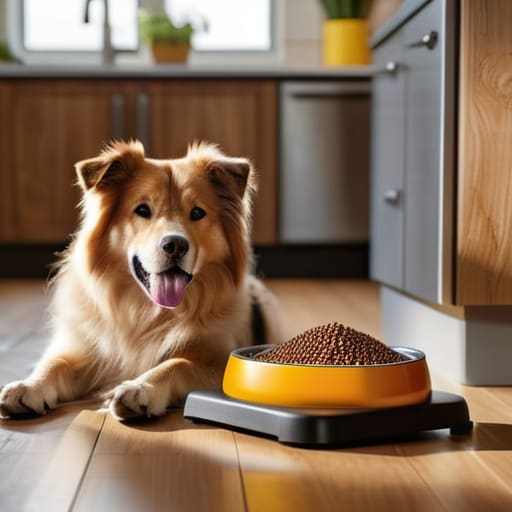
Most people think they’re feeding their pet the right amount because they’re following the bag, but those numbers are just starting points for a generic 10kg or 20kg animal. They aren’t math for your specific pet. To get it right, you need to start with the Resting Energy Requirement (RER). I usually do this by taking the animal’s weight in kilograms to the power of 0.75 and multiplying by 70. It sounds like high school algebra, but it’s the only way to stop the guesswork. If you’re looking into calculating pet caloric needs for a dog that’s already overweight, you’re going to aim for a multiplier that targets a deficit, not just maintenance.
Don’t make the mistake of cutting calories so drastically that they stop eating entirely. That’s how you end up with a malnourished animal or a cat that develops hepatic lipidosis—which, by the way, is a very expensive and very scary emergency. Instead, look into low calorie pet food options that have high fiber content to keep them feeling full. If they’re begging, give them green beans or plain cucumber instead of that processed biscuit that’s secretly a calorie bomb.
Five Hard Truths About Keeping the Pounds Off
- Stop treating treats like a free-for-all. If you’re giving your dog a handful of kibble as a reward, that’s a snack, not a gift. I’ve seen too many owners realize too late that those “little bits” of cheese or biscuit add up to a couple hundred extra calories a day. If you want to give a treat, take a portion of their actual dinner out of the bowl first and use that. It’s not about deprivation; it’s about math.
- Watch the “hidden” calories in your lifestyle. I know, it’s hard, but if you’re eating a sandwich and dropping crusts, you’re essentially feeding your pet a side dish. To a ten-kilogram cat, a single bite of deli turkey is a massive caloric spike. If you can’t control what goes into their mouth, you aren’t managing their weight; you’re just watching it happen.
- Get a real scale, not just a “feel” test. You can’t tell if a dog has lost two pounds just by running your hands over their ribs, especially if they have a thick coat. I always tell people to weigh their pets at home once a month. If you see a sudden drop or a steady climb, don’t wait for the annual vet visit to mention it. A sudden loss of weight can be a sign of diabetes or kidney issues, and by the time you notice it visually, the damage is often well underway.
- Don’t fall for the “senior” excuse. People often tell me, “Oh, he’s just getting old, it’s natural he’s gaining weight.” Usually, it isn’t natural; it’s a lack of activity paired with a slowing metabolism. An overweight senior dog is a dog in pain. Every extra kilogram is putting unnecessary stress on those arthritic joints. If they aren’t moving like they used to, we need to adjust the calories, not just accept the fluff.
- Understand the cost of the “quick fix.” You’ll see expensive “weight loss” treats and boutique diets marketed everywhere. Most of the time, you don’t need a miracle product; you need a controlled caloric intake and a consistent routine. A bag of high-quality, calorie-dense prescription food might cost you $60 to $80, but that is significantly cheaper than the $2,000 bill for treating the diabetes or the orthopedic surgery that comes from letting them stay obese.
The Bottom Line: What You Actually Need to Do
Stop relying on the bag; most commercial kibble is calorie-dense enough to make a healthy dog obese in six months if you aren’t measuring every single scoop.
Learn to feel the ribs, not just look at the waist—if you can’t find them without a heavy hand, you’re already behind the curve.
Don’t let the fear of a $150 vet bill keep you from a $50 bag of prescription weight management food; treating diabetes or joint failure later is ten times more expensive than managing weight now.
The Real Math of Weight Loss
“Don’t get caught up in the ‘treat’ math or the fancy calorie-counting apps; weight management is about the brutal reality of what’s actually going into the bowl versus what’s burning off. If you’re seeing more ribs than you’re seeing waistline, you aren’t just ‘dealing with a heavy pet,’ you’re looking at a ticking clock for diabetes or joint failure, and by the time the vet starts talking about prescription diets and bloodwork, you’ve already lost the easiest part of the battle.”
Marlene Ostrowski
The Bottom Line on the Scale

At the end of the day, weight management isn’t about following a rigid, expensive prescription diet or obsessing over every single kibble; it’s about the data you collect at home. You need to know their Body Condition Score by touch, not just by looking, and you have to be disciplined about those calories. If you aren’t tracking the actual grams going into the bowl, you aren’t managing weight—you’re just guessing. Remember, a sudden, unexplained drop in weight or a complete refusal to eat isn’t a “dietary adjustment” period; that is a clinical red flag that requires a vet visit, not a new brand of treats. Don’t let the fear of a consultation fee keep you from seeing the math right in front of your eyes.
I’ve spent three decades watching owners realize too late that a “chubby” dog was actually a dog struggling with joint pain, diabetes, or a failing heart. Managing their weight is the single most effective way to add quality years to their lives, and it’s often much cheaper to buy a bag of low-calorie food now than to pay for expensive orthopedic surgery or insulin later. It’s hard work, and your dog might give you those pathetic “starving” eyes, but you are their advocate. Do the math, watch the scale, and stay steady. You aren’t just managing a number; you’re protecting their ability to walk beside you for as long as possible.
Frequently Asked Questions
If my dog is losing weight but still eating like a vacuum, is that a metabolic issue I need to pay for a blood panel to check, or just a fluke?
That isn’t a fluke. If they’re eating like a vacuum but the ribs are starting to show, you aren’t looking at a “picky eater” problem; you’re looking at a metabolic one. It’s usually hyperthyroidism in cats or diabetes/parasites in dogs. You need a blood panel. Expect to pay anywhere from $150 to $300 for the basic workup. Don’t wait for them to look skeletal—by then, you’re paying for crisis management, not prevention.
How much of a price jump should I actually expect when switching from a standard grocery brand to a prescription weight management diet?
Look, I’ll give it to you straight: you’re looking at a 2x to 3x jump in your monthly food bill. If you’re spending $40 on a big bag of grocery kibble, expect to pay closer to $100 or $120 for a therapeutic brand like Hill’s m/d or Royal Canin Satiety. It’s a gut punch, I know. But remember, you aren’t just paying for the label; you’re paying for the precise fiber ratios that actually keep them full.
My cat is a picky eater—is it actually possible to get them to eat a low-calorie diet, or am I just going to end up fighting a losing battle with a hungry feline?
Look, you’re going to have a fight, but it doesn’t have to be a losing one. If you just swap high-calorie kibble for a “diet” version, they’ll sniff it and walk away. You have to trick them. Mix the new stuff with the old, or use a little warm water or low-sodium broth to make it smell like something worth eating. If they stop eating entirely for more than 24 hours, stop the games and call the vet—that’s a metabolic emergency, not pickiness.