I can still smell it if I close my eyes—that thick, sickly-sweet stench of rotting tissue that hits you the second you lean in to kiss your dog’s forehead. After twenty-eight years in a small practice, I’ve learned that most people think bad breath is just “dog breath,” but it isn’t; it’s a warning sign. People spend hundreds of dollars on those fancy dental chews and water additives that promise the world, but they completely miss the actual clinical signs. Learning how to spot dental disease isn’t about buying a better toothbrush; it’s about knowing the difference between a little bit of tartar and a spreading infection that could eventually hit their heart or kidneys.
I’m not here to sell you a subscription to a dental gel or tell you that a piece of dried rawhide is a magic cure. I’m going to tell you exactly what to look for when you lift that lip, from the redness of the gums to the way they suddenly stop crunching their kibble. I’ll give you the straight truth on what is a “wait and see” situation and what is a “get to the vet before they close” emergency, along with a realistic idea of what those dental cleanings are actually going to cost you.
Table of Contents
Why Bad Breath and Oral Health Are Never Just a Coincidence
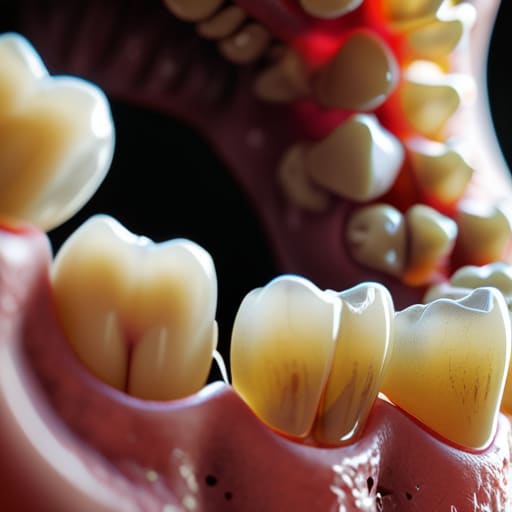
People love to tell me that “dog breath is just part of owning a pet.” That is a lie, and it’s a dangerous one. If your dog’s breath smells like something died in their mouth or like a dumpster in July, that isn’t just a quirk of their biology; it is a signal. Most of the time, that stench is the byproduct of bacteria living in the biofilm on their teeth, slowly eating away at the structures that hold those teeth in place. Bad breath and oral health are inextricably linked, and by the time you can actually smell it, the infection is usually well-established.
I’ve spent too many years watching owners ignore that smell until a tooth literally falls out during a chew session. What people often mistake for simple “old dog breath” are actually the early signs of gum disease. You aren’t just smelling a bad odor; you are smelling the metabolic waste of bacteria that are currently causing inflammation. If you see redness or if you notice any bleeding gums causes during a quick check, you aren’t looking at a minor irritation—you’re looking at an active infection that is likely causing systemic stress to their heart and kidneys.
Early Signs of Gum Disease You Cannot Afford to Ignore
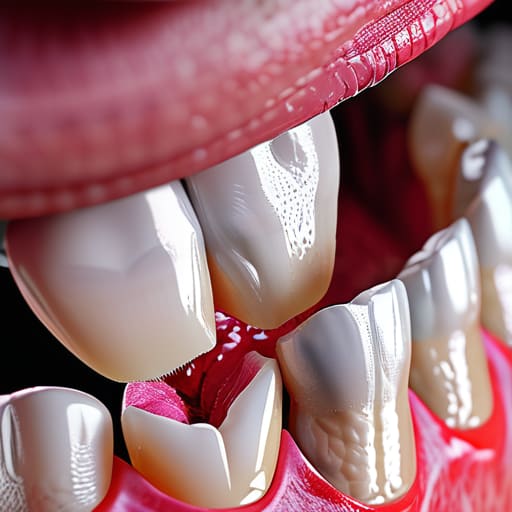
You don’t need a microscope to see the first red flags, but you do need to be looking. When I was working the floor, I’d tell owners that if they lift a lip and see anything other than a healthy, bubblegum-pink gum line, they’re already behind. If the gums look angry, dark red, or even slightly purple where the tooth meets the flesh, those are the early signs of gum disease that people usually try to brush off as “just getting old.” They aren’t. That redness is inflammation, and it’s your pet’s way of saying the bacteria are winning the war.
Keep an eye out for any sudden hesitation during mealtime. If your dog or cat is dropping food or tilting their head awkwardly, they might be experiencing enamel erosion symptoms or a fractured tooth that’s hitting a nerve. If you notice any slight spotting of blood on their kibble or a pinkish tint to their saliva, don’t wait for a scheduled cleaning. Bleeding gums causes vary, but in a house with senior pets, it almost always means the periodontal pocket is deepening. If you see blood, you aren’t looking at a minor irritation; you’re looking at an active infection.
Five things I looked for when I was checking mouths in the clinic
- Watch the way they eat. If your dog or cat is dropping food, tilting their head to one side while chewing, or suddenly switching to only the soft stuff, they aren’t being “picky.” They are likely trying to avoid touching a tooth that is throbbing with pain.
- Check for the “red line.” When you lift that lip, you’re looking at the gumline. Healthy gums are a pale, fleshy pink. If you see a bright red, angry-looking strip right where the tooth meets the gum, that’s inflammation. It’s the precursor to the bone loss that eventually makes the tooth fall out.
- Look for the “receding” look. If a tooth suddenly looks much longer than it did a month ago, it’s not because the pet grew; it’s because the gum tissue is pulling away. That exposes the root, and once that happens, you’re looking at a much more expensive dental cleaning or an extraction.
- Don’t ignore the “drool factor.” If your pet is suddenly salivating more than usual or has a wet chin, it could be a sign of an abscess or a broken tooth. An abscess is a pocket of infection that can actually travel into the bloodstream or up into the sinus cavity. That’s a “call the vet today” situation, not a “wait and see” one.
- The “brown sludge” test. If you see heavy brown or black buildup on the teeth, that isn’t just “staining”—it’s tartar (calculus). It’s hard as a rock and you can’t brush it off with a toothbrush. Once it’s there, it’s a breeding ground for bacteria that eats away at the jawbone.
The bottom line on your pet's mouth
If your dog or cat is suddenly dropping food, chewing on one side of their face, or acting “cranky” during mealtime, they aren’t being stubborn—they are likely in significant pain from a fractured tooth or an abscess.
Don’t let a “slight” pinkness on the gums fool you; once you can see inflammation, the bacteria have already moved past the surface and are actively attacking the bone and tooth roots.
A professional dental cleaning and potential extractions aren’t “luxury” services; expect to pay anywhere from $500 to $1,500 depending on what’s found under the gumline, but that is significantly cheaper than treating a systemic infection or a ruptured organ later.
## The Smell of Trouble
“If your dog’s breath smells like something died in their mouth, don’t wait for a forum to tell you it’s fine; that’s not ‘dog breath,’ it’s the smell of an active infection, and by the time they stop eating because it hurts too much to chew, you’re already playing catch-up with a much more expensive problem.”
Marlene Ostrowski
Don't Wait for the Pain to Show

Look, I’m not saying you need to perform a full oral exam under a bright light every single night, but you do need to pay attention. If you notice bleeding when they eat, a sudden change in their kibble consumption, or that unmistakable stench of decay, don’t try to mask it with a flavored dental chew. Those chews are fine for maintenance, but they won’t fix a deep periodontal pocket or an abscessed tooth. By the time an animal is actually crying or pawing at their face, the infection has likely already moved into the bloodstream or started eating away at the jawbone. Early detection is the difference between a routine cleaning under sedation—which might cost you a few hundred dollars—and an emergency surgical extraction that will cost you a month’s worth of groceries.
At the end of the day, being a good pet owner isn’t about having a perfect, pearly-white smile on your dog; it’s about being their advocate when they can’t tell you where it hurts. I’ve spent three decades watching owners realize too late that their “quiet” pet was actually just suffering in silence because they didn’t want to be a burden. Don’t let pride or a busy schedule get in the way of their comfort. You are the only one who knows their baseline, so trust your gut. If something looks or smells wrong, call the vet. It is much better to have a professional tell you it’s nothing than to spend your Sunday night in an emergency waiting room wishing you had acted sooner.
Frequently Asked Questions
My dog isn't acting like he's in pain, so is it really worth the $500+ for a dental cleaning?
Here is the truth: animals are evolutionary masters at hiding pain. In the wild, showing weakness gets you killed, so your dog won’t whimper or limp just because a tooth is throbbing. By the time they actually act like they’re in pain—refusing food or pawing at their face—the infection has likely already moved into the bone or the bloodstream. That $500 cleaning is a lot, but it’s cheaper than an emergency extraction or treating systemic organ failure later.
Can I just use those dental wipes or water additives instead of a professional cleaning?
Look, I’ve seen people try to scrub away a periodontal abscess with a dental wipe, and it’s like trying to fix a broken leg with a Band-Aid. Wipes and additives are fine for maintenance—they help slow the buildup—but they cannot reach under the gumline where the real destruction happens. If there is already bone loss or infection, those products are just expensive scented water. You can’t “wipe away” a disease that’s eating the bone.
How do I know if his bad breath is just "dog breath" or if he actually has an abscessed tooth?
Here’s the difference: “Dog breath” usually just smells like a wet rug or something stale. An abscessed tooth smells like rot—think literal decay or a sewage leak. If you see swelling on his face, or if he’s dropping food or pawing at his mouth, that’s not just “stinky breath.” That’s an infection. If there’s pus or a foul, metallic stench, don’t wait for Monday. Get him in. An abscess can go systemic fast.