I’ve spent three decades watching people spend fifty dollars on “interactive enrichment puzzles” that end up serving as nothing more than expensive dust collectors under the sofa. You see these ads online promising that a motorized spinning feather is the secret to a happy feline, but if you actually want to learn how to play with a cat properly, you need to stop looking at the gadget and start looking at the predator. I once had a client come in for a “behavioral issue” with a high-strung Bengal, and it wasn’t because the cat lacked toys; it was because the owner was playing with him like he was a golden retriever, and the cat was miserable for it.
I’m not here to sell you a subscription box or a fancy laser pointer that’ll just leave your cat frustrated and hunting shadows. I’m going to tell you how to use the tools you already have to tap into that primal, hunting drive that makes them feel whole. We’re going to talk about the difference between a fun afternoon and a session that ends in a scratched forearm, and I’ll give you the real-world mechanics of movement that actually satisfy a cat’s brain. No fluff, no expensive nonsense—just the stuff that works.
Table of Contents
Simulating Natural Hunting Behavior Without the Scratches
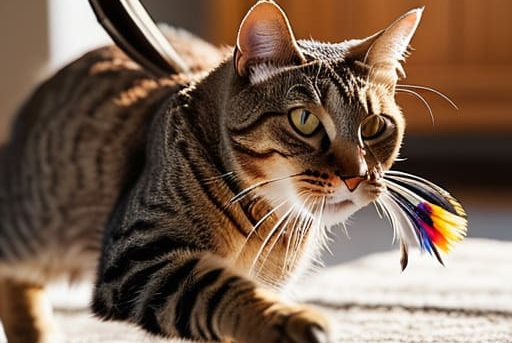
The biggest mistake I see people make is treating a wand toy like a flashlight they’re waving in a cat’s face. If you just wave it around aimlessly, you aren’t playing; you’re just being a nuisance. To actually succeed at simulating natural hunting behavior, you have to mimic prey. A mouse doesn’t run in straight lines or fly through the air like a bird; it scuttles, it hides behind a chair leg, and it stops dead when it thinks it’s being watched. If the “prey” is always in their direct line of sight, the cat will lose interest in three minutes flat.
You need to focus on the stalk, pounce, and kill sequence. Start by letting the toy move away from them, disappearing behind an obstacle to trigger those cat predatory instincts. Once they’ve crouched low and their pupils are blown wide, let them make the final strike. If you don’t let them actually “catch” the toy at the end of the session, you’re just building up frustration, which is a fast track to redirected aggression. If they start biting the wand itself instead of the feather at the end, they’re overstimulated—drop the toy and walk away.
Feline Enrichment Activities That Actually Work
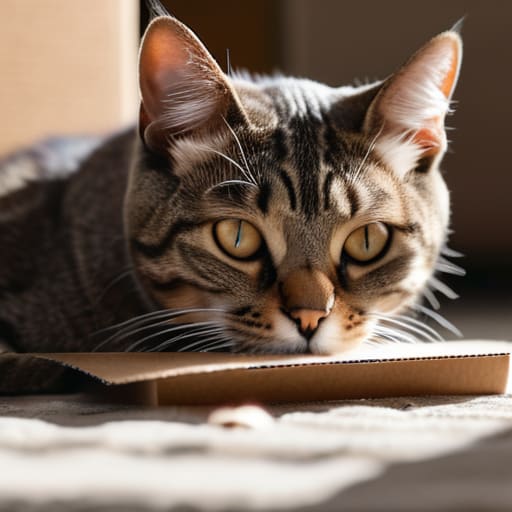
Most people think enrichment is just buying a $20 spinning feather toy from a big-box store, but if you want real results, you have to look at it through the lens of cat predatory instincts explained. An indoor cat isn’t just “bored”; they are often understimulated to the point of developing behavioral issues like inappropriate urination or obsessive grooming. I’ve seen too many cats in my old practice that were basically walking stress balls because their brains were rotting from lack of input. Real feline enrichment activities mean creating a “job” for them. This could be as simple as hiding high-value treats inside a cardboard box with holes poked in it, forcing them to use their paws and nose to “hunt” for their meal rather than just lazing by a bowl.
If you’re looking for more structured cat mental stimulation tips, start looking up. A vertical environment—shelves, cat trees, or even just cleared-off bookcases—is non-negotiable. A cat that can survey their “territory” from six feet up is a cat that feels secure. For those with high-energy youngsters, interactive play for kittens should involve short, intense bursts of movement followed by a mandatory nap and a meal. You want to complete the hunt-eat-groom-sleep cycle. If you skip the “hunt” part, you’re just making them hyper, not happy.
The Golden Rules of Not Getting Clawed (and Keeping Them Healthy)
- Stop using your hands as toys. I’ve seen enough tendon repairs and abscessed bites to last a lifetime. If you use your fingers to “wrestle” with a kitten, you are teaching them that human skin is prey. Use a wand toy or a kick-toy instead; you want them learning that the “prey” is the feather on the string, not your knuckles.
- Watch the intensity levels. In the clinic, we see cats that are “overstimulated”—they go from playful to a biting frenzy in three seconds because their nervous system is redlining. If their ears go flat or their tail starts thumping like a heavy whip, stop the game immediately. You want them tired, not hyper-adrenalized.
- End on a “kill.” A cat’s hunting cycle is Search, Stalk, Pounce, Kill, Eat. If you just stop playing abruptly, they stay in a state of frustration. Let them catch the toy at the end of a session, then immediately offer a small treat or their meal. It completes the neurological loop and prevents that frantic, destructive midnight energy.
- Respect the “slow blink” and the body language. If you’re trying to engage a cat and they are staring at you with dilated pupils and a twitching tail, they aren’t “ready to play”—they’re hunting you. Real play involves a certain level of engagement, not just a cat staring you down from across the room like a predator.
- Keep sessions short but frequent. A twenty-minute marathon once a week is useless for a cat’s metabolic health. I’d much rather see a client doing three five-minute bursts a day. It keeps their weight managed—which is a massive issue for indoor cats—and prevents the boredom that leads to them eating your houseplants or shredding the sofa.
The Bottom Line on Feline Play
If your cat stops chasing the toy and starts staring at you with dilated pupils and a lashing tail, the game is over; you’ve crossed the line from enrichment into overstimulation, which is how you end up with a scratched hand and a stressed-out cat.
Don’t fall for the expensive “smart” gadgets that sit gathering dust; a piece of crumpled-up paper or a simple wand toy used for ten minutes of focused, high-intensity movement is worth more than a hundred-dollar automated laser.
Watch the post-play behavior—if they hunt, catch, and then immediately groom themselves or go for a nap, you’ve done it right; if they remain hyper-vigilant or start panting, you’ve pushed them too hard and need to dial it back next time.
The Difference Between Play and Predation
Stop using your hands as the toy; if you’re treating your fingers like a feather wand, you aren’t playing, you’re training them that skin is prey, and once that instinct flips from ‘fun’ to ‘hunting,’ a $15 wand won’t fix the behavioral damage you’ve done.
Marlene Ostrowski
The Bottom Line on Playtime
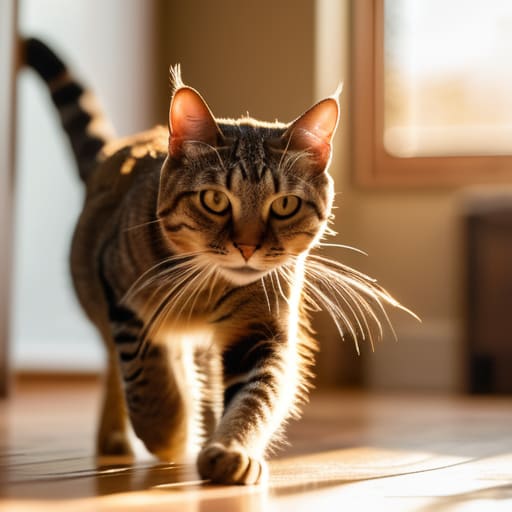
At the end of the day, playing with your cat isn’t about buying the most expensive motorized feather wand from a boutique; it’s about understanding that they are small, highly efficient predators trapped in a living room. You need to mimic the hunt—the stalk, the pounce, and the kill—rather than just waving a piece of string in their face like you’re trying to ward off a ghost. Watch their body language closely. If they are dilated, twitching, and focused, you’re doing it right. But if they start redirected aggression—swatting at your ankles or hissing at the toy—you’ve pushed them too far into a predatory loop and it’s time to back off. Keep it short, keep it intense, and for heaven’s sake, always end the session with a physical reward like a treat or a meal so they feel like they actually caught something.
I’ve seen plenty of owners treat play like a chore they have to check off a list, but I want you to see it for what it actually is: a vital piece of preventative medicine. A cat that plays is a cat that is mentally engaged, which means fewer midnight zoomies, fewer bouts of boredom-induced urolithiasis (bladder stones), and a much lower chance of them tearing up your sofa out of sheer frustration. It’s one of the cheapest, most effective ways to manage their long-term health. You aren’t just “playing”; you are investing in their longevity. Do the work now, and you’ll thank me when they’re ten years old and still acting like a kitten.
Frequently Asked Questions
My cat gets so worked up during play that they start biting my ankles or hissing; is that just "predatory drive" or am I actually pushing them into a state of stress?
There’s a fine line between a successful hunt and a sensory meltdown. If they’re lunging at your ankles, they’ve stopped playing with the toy and started playing with you—that’s redirected aggression. If you hear hissing, stop immediately. That isn’t “drive”; that’s a stress response. You’ve pushed them past the point of fun into a fight-or-flight state. End the session, walk away, and try again tomorrow with a different tool.
How much time should I actually be spending on this every day, and is there a way to tell if a cat is physically too old or overweight to handle high-intensity play?
Look, don’t aim for an hour; aim for three ten-minute sessions. Cats are sprinters, not marathon runners. If you try to force a long session, you’ll just end up with a frustrated cat or a shredded sofa. Regarding age or weight: watch their breathing. If they’re panting like a dog after two minutes of feather-wand chasing, stop. If they’re overweight, stick to low-impact “search and find” games. If they can’t even stand to reach for a toy, it’s time for a vet check, not a playdate.
If I use my hands as "toys" during play sessions, am I teaching them that human skin is a target, and how do I fix that habit if it's already started?
Yes, you are. If you use your hands, you’re teaching them that skin is prey. It starts with “playful” nips and ends with a shredded knuckle or a cat that won’t stop lunging at your ankles. If they’re already doing it, stop immediately. Don’t yell—just go limp and walk away. You need to redirect that energy into a wand toy. If they’re biting hard and won’t let go, that’s not play; that’s redirected aggression, and we need to talk about why.