
I’ve spent thirty years watching people spend a fortune on “calming pheromone diffusers” and fancy, designer travel beds that do absolutely nothing when a cat is mid-panic in the back of a moving car. If you’re looking for a list of expensive gadgets to soothe your pet, you’re reading the wrong blog. Most advice on how to travel with a cat is written by people who think a soft blanket and a prayer will prevent a feline meltdown or a sudden, expensive bout of stress-induced cystitis. I’ve seen enough cats go from “calm traveler” to “hissing, projectile-vomiting mess” in the span of a twenty-minute drive to know that true preparation isn’t about what you buy; it’s about what you anticipate.
I’m not here to sell you anything or sugarcoat the reality of feline logistics. I’m going to tell you exactly what you need to pack, how much a sudden vet visit for travel stress might actually cost you, and how to tell the difference between a cat that is merely annoyed and one that is clinically overwhelmed. I’ll give you the practical, unvarnished truth about the gear, the meds, and the timing so you can focus on the trip rather than cleaning up a disaster in a hotel room.
Table of Contents
- Preparing Cat for Long Car Rides What Matters and What Doesnt
- A Pet Travel Essentials Checklist That Wont Break Your Bank
- The Real-World Logistics: 5 Things Your Travel Guide Forgot to Mention
- The Bottom Line Before You Head Out
- The Reality of the Carrier
- The Reality of the Road
- Frequently Asked Questions
Preparing Cat for Long Car Rides What Matters and What Doesnt
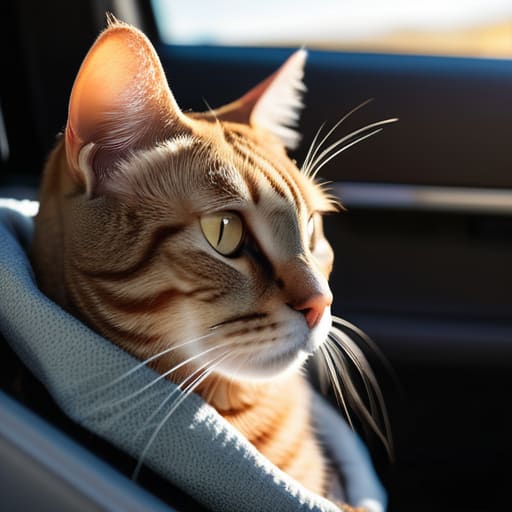
Forget the fancy, multi-level fleece beds or the designer travel kits you see in targeted ads. Most of that is just expensive clutter. When you’re preparing cat for long car rides, what actually matters is containment and predictability. I’ve seen far too many owners try to let their cat roam the backseat because “they seem more comfortable,” only to end up with a panicked animal under the brake pedal or a projectile vomit situation on the upholstery. A sturdy, well-ventilated hard carrier is non-negotiable. It’s not about luxury; it’s about restricting their field of vision so they don’t see the world blurring past at seventy miles per hour, which is a one-way ticket to a meltdown.
If you’re worried about cat anxiety during travel, don’t just rely on a lavender-scented spray and hope for the best. If your cat is a high-strung senior or a flight risk, talk to your vet about actual pharmaceutical intervention—things like Gabapentin. It’s relatively inexpensive, and it’s the difference between a manageable trip and a frantic, expensive emergency visit to an urgent care clinic because your cat managed to wedge themselves into a seat rail. Stick to the basics: familiar scents, a secure crate, and a plan for when the motion sickness hits.
A Pet Travel Essentials Checklist That Wont Break Your Bank
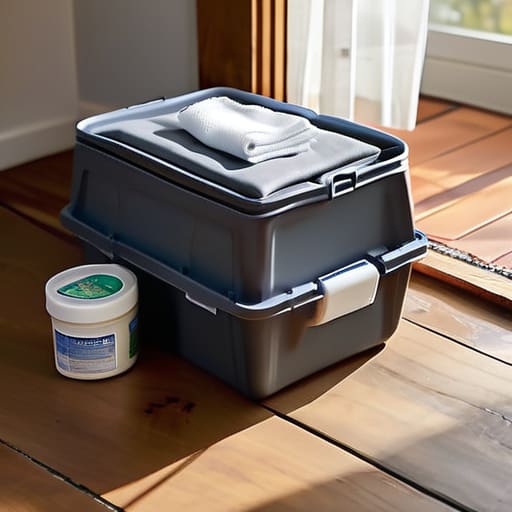
Look, you don’t need a designer pet backpack or a GPS-enabled collar to get from point A to point B. Most of the stuff they sell you in those “cute” pet boutiques is just expensive marketing. My pet travel essentials checklist starts with the boring stuff: a sturdy, hard-sided carrier that actually locks, several absorbent pee pads (because accidents will happen), and a spill-proof water bowl. If you’re driving, grab a small first-aid kit with some gauze and antiseptic wipes. You might not use them, but you’ll be glad you have them when a frantic cat decides to try and claw its way through a plastic door.
When it comes to managing cat anxiety during travel, don’t go out and buy every expensive pheromone spray on the shelf without a plan. I’ve seen people spend fifty dollars on “calming mists” that do nothing because they didn’t realize the cat was already in a state of total meltdown. Instead, spend that money on a high-quality, vet-approved calming aid if your cat is a known panicker. If you’re looking to save, a simple Feliway diffuser or even just a familiar-smelling old t-shirt tucked into the crate can do more for their nerves than any gadget. Keep it practical, keep it functional, and keep your money in your pocket for the actual vet bill if things go sideways.
The Real-World Logistics: 5 Things Your Travel Guide Forgot to Mention
- Don’t rely on “calming pheromones” alone; if your cat is a high-stress reactor, you need to talk to your vet about Gabapentin before you leave. I’ve seen enough cats go into a state of hyperventilation or even urinary retention from stress to know that a scented plug isn’t a substitute for actual sedation. A prescription will likely run you $30 to $50, but it’s cheaper than an emergency vet visit for a stressed-out cat that’s stopped eating or peeing.
- Forget the fancy “travel beds”—get a hard-sided carrier that actually fits their body without crushing them, and bring a piece of your unwashed clothing. Cats navigate by scent, and in a strange environment like a car or a plane, the smell of their human is the only thing that tells their nervous system they aren’t currently being hunted.
- Stop feeding heavy meals right before departure. I don’t care how much they meow; if you feed a cat a full bowl of wet food right before a four-hour drive, you are begging for a vomit-covered carrier and a very unhappy cat. Stick to small amounts of dry kibble or nothing at all until you reach your destination.
- If you are flying, do not assume “in-cabin” means “stress-free.” You need to check the airline’s specific breed and weight restrictions—I’ve seen people get to the gate only to find out their cat is 5.5kg and the limit is 5kg. It is a heartbreaking, expensive mistake that usually results in the cat being boarded in the cargo hold, which I strongly advise against unless absolutely necessary.
- Pack a “dirty kit” that is separate from your main luggage. I mean a gallon-sized Ziploc with paper towels, enzyme cleaner, and disposable gloves. Whether it’s an accident in the carrier or a bout of motion sickness, you do not want to be digging through your suitcase for cleaning supplies while trying to manage a panicked animal in a hotel room or a rest stop.
The Bottom Line Before You Head Out
Don’t skip the vet visit just to save fifty bucks; a quick check for ear infections or dental pain is the difference between a sleepy passenger and a cat that’s going to fight you through every mile of the trip.
Invest in a hard-sided carrier that actually fits their size, because a flimsy mesh bag might be cheaper, but it won’t protect them if you have to slam on the brakes or if they decide to stage a frantic breakout in a parking lot.
Watch the clock and the litter box—if your cat stops eating or starts acting lethargic beyond the usual travel stress, don’t wait until you get to your destination to find an emergency clinic; figure out where the nearest 24-hour vet is before you leave the driveway.
The Reality of the Carrier
“A carrier isn’t just a box to keep them contained; it’s their only piece of ‘home’ when the entire world is moving at seventy miles per hour. If you wait until you’re standing in a parking lot to realize your cat views that plastic crate as a cage rather than a sanctuary, you’re going to spend the next four hours fighting a panicked animal instead of driving.”
Marlene Ostrowski
The Reality of the Road
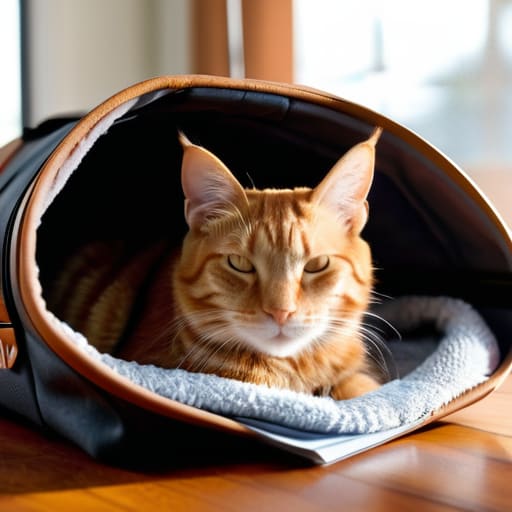
At the end of the day, traveling with a cat isn’t about having the most expensive pheromone diffuser or the fanciest collapsible water bowl; it’s about predictability and preparation. You’ve got your vet records in order, your carrier is a secure fortress rather than a flimsy basket, and you’ve accounted for the fact that a stressed cat is a cat that might refuse to eat for twenty-four hours. Remember that the goal isn’t a seamless, cinematic journey—it’s simply to get from point A to point B without a medical emergency or a shredded upholstery bill. If you’ve managed the logistics of the basics, you’ve already done more than most owners, and you’re ahead of the curve.
I know it feels like a mountain of extra work, and I know the anxiety of seeing them huddle in the corner of a crate is heavy. But I’ve spent three decades watching people panic in exam rooms because they skipped the small stuff, and I can tell you that the effort you put in now is what buys you peace of mind later. You aren’t just moving an animal; you are safeguarding a family member. Take a breath, double-check your kit, and go. You’ve got this, and more importantly, so do they.
Frequently Asked Questions
Should I give my cat Gabapentin or another sedative before we leave, or will that just make them more disoriented and prone to accidents?
Look, I’ve seen both sides of this. Gabapentin is the gold standard for a reason—it’s a sedative, not a “knockout” drug, so they’ll likely be drowsy but still aware. If you use something stronger, like Acepromazine, they might be physically limp but mentally terrified, which is a recipe for a panicked meltdown the second they feel a vibration. Talk to your vet about a dose based on their weight in kilograms. If they’re a high-anxiety cat, the Gabapentin is worth the cost to prevent a crash.
Is it actually worth paying for a pet carrier on the plane, or can I just try to squeeze them into the cabin with me?
Don’t even try to “squeeze” them in. Airlines aren’t running a charity; they’re running a business with strict safety protocols. If your carrier doesn’t meet their specific dimensions, they won’t just ask you to repack—they’ll deny boarding. Between the potential for a $100+ gate fee and the stress of a panicked cat in a cramped footwell, just pay the fee upfront. It’s cheaper than a vet visit for a stress-induced bladder issue or a broken nail.
How much should I realistically budget for an emergency vet visit if my cat has a panic attack or gets sick halfway through the trip?
If your cat has a crisis mid-trip, you aren’t just paying for a check-up; you’re paying the “emergency tax.” Expect to shell out $250 to $500 just to walk through the door for an exam and stabilization. If they need IV fluids for dehydration or sedative medication for a panic-induced respiratory crisis, that number climbs toward $800 or more quickly. Don’t rely on a credit card with a low limit—have a dedicated “oops” fund ready.