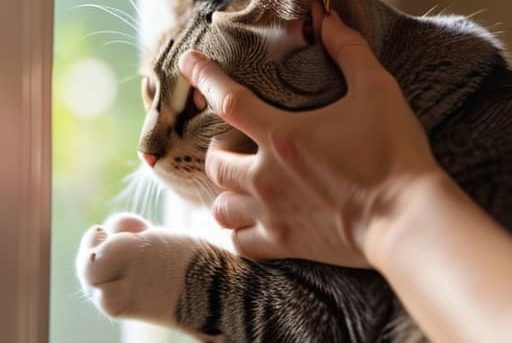
I’ve spent thirty years watching people get humbled by a four-pound feline. I can still hear the frantic scratching of claws against a metal exam table and the sound of a heavy sigh from a vet who’s seen this exact meltdown a thousand times. Most of the advice you’ll find online makes it sound like a gentle, magical ritual involving “treat pillows” and whispered lullabies, but let’s be honest: when you’re staring down a dilated pupil and a set of teeth, you aren’t thinking about zen. If you are currently Googling how to give a cat a pill while your hands are shaking and your sweater is covered in fur, you don’t need a lifestyle blog; you need a strategy that actually works before someone gets bitten.
I’m not here to sell you a specialized pill popper or tell you that a smear of Churu solves every problem. I’m going to tell you the clinical reality of what happens when a cat resists, how to handle the physical restraint without ending up in the ER yourself, and—most importantly—when to stop fighting and call the vet for a liquid alternative. We are going to skip the fluff and focus on the mechanics of getting that medication down safely, because a missed dose is just as useless as a scratched arm.
Table of Contents
- Hiding Pills in Cat Food When to Stop Guessing
- Veterinary Approved Pilling Methods That Actually Work
- Five Things I Learned While Being Manhandled by a Feline
- The Bottom Line Before You Start Fighting
- ## The Cost of a Scratched Hand
- The Bottom Line on the Battle of the Pill
- Frequently Asked Questions
Hiding Pills in Cat Food When to Stop Guessing
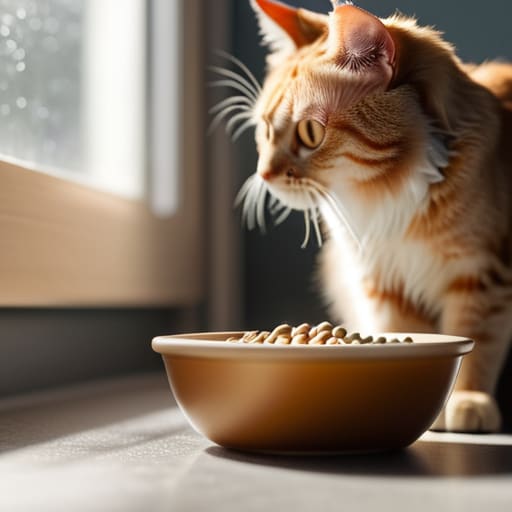
Look, I get it. You want to be the “nice” owner. You want to stir that little white tablet into a spoonful of Churu or a bit of wet food and hope they don’t notice. For some cats, this works fine. But for others, they can smell that bitter chemical coating from a mile away. If you find yourself constantly hovering over the bowl, watching them sniff and then walk away, you aren’t actually administering oral medication to pets; you’re just playing a high-stakes game of psychological warfare.
The danger here isn’t just a grumpy cat; it’s the “half-dose” trap. If they eat half the food but spit out the part with the pill, you’ve just wasted money and left their condition untreated. If you see them licking their lips excessively or gagging after eating, stop the food trick immediately. At that point, you need to move on to more reliable veterinary approved pilling methods, like a pill pocket or a dedicated tool. Don’t spend three days trying to outsmart a creature that has a sense of smell ten times better than yours—it’s a losing battle that usually ends in a frantic, middle-of-the-night trip to the ER because they missed their critical dose.
Veterinary Approved Pilling Methods That Actually Work
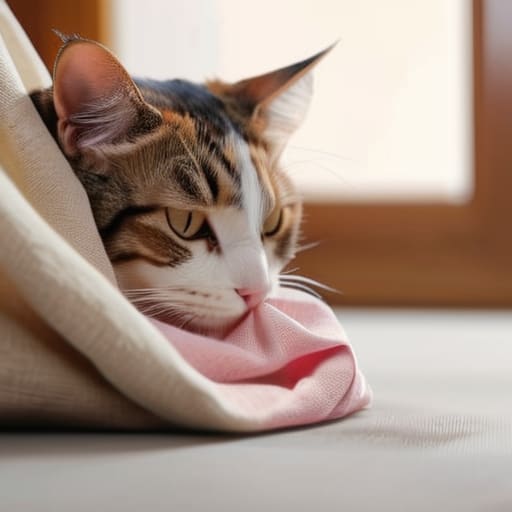
If the food trick fails—and let’s be honest, most cats can smell a bitter pill from a mile away—you need to move to manual administration. I spent half my career doing this, and the trick isn’t brute strength; it’s positioning. You need to hold the cat securely, ideally in a towel (the “burrito” method), so they aren’t flailing. Tilt the head back just enough to align the jaw, use your thumb and forefinger to depress the lower jaw, and drop the pill as far back on the tongue as possible. If you just drop it in the front, they’ll spit it out before you can even close their mouth.
For those of you who are terrified of getting scratched or if your cat is particularly combative, don’t feel guilty about investing in cat pill dispenser tools. A pill popper—a little plastic wand that holds the tablet—is a lifesaver. It allows you to deposit the medication deep into the throat without putting your fingers in the “danger zone.” It’s one of the most reliable veterinary approved pilling methods because it removes the hesitation that usually leads to a struggle. Just remember: once the pill is in, hold the mouth shut for a few seconds and gently massage the throat to encourage a swallow.
Five Things I Learned While Being Manhandled by a Feline
- Use a pill popper if you have one, but don’t be a hero. If you’re trying to do this with just your fingers and the cat is already halfway up the curtains, you’re going to get scratched, and more importantly, you’re going to miss the throat entirely. A plastic pill syringe (the kind without a needle, obviously) gives you the leverage you need to deposit the pill right where it belongs.
- Check the “pill pocket” math. If you’re using those little medicated treats, make sure they aren’t actually making the problem worse by adding extra calories to a cat that’s already on a strict diet for kidney disease or diabetes. I’ve seen owners get so frustrated they start overstuffing the treats, and suddenly the cat’s weight is up 0.5kg in a month.
- Always follow up with a “chaser.” If you manage to get the pill down, give them a little bit of something wet or even a tiny bit of water via syringe. You want to make sure that pill isn’t just sitting in the esophagus; if it gets stuck there, it can cause irritation or even an esophagitis, which is a much more expensive problem to fix than a simple pilling session.
- Don’t fight a cornered cat. If your cat is hissing, growling, or showing you the claws, stop. I know you want them to get their medicine, but an injured owner can’t help an animal, and a terrified cat is going to associate every single medical interaction with trauma. If they are truly aggressive, call the vet and ask about a compounded liquid or a transdermal gel that you can just rub into their ear.
- Timing matters more than you think. If the vet told you to give it on an empty stomach, don’t try to “trick” them by putting it in a bowl of tuna. I’ve had plenty of owners call me at 2:00 AM because their cat vomited the pill back up ten minutes after eating, which means they didn’t actually get the dose and now you’re back at square one.
The Bottom Line Before You Start Fighting
Stop playing games with food if the cat is actually eating; if they spit the pill out or leave half the kibble, you aren’t medicating them, you’re just stressing them out and wasting expensive medicine.
If you’re dealing with a particularly aggressive or terrified cat, don’t hesitate to ask your vet for a compounded liquid or flavored chew—it might cost an extra $20 to $40 at the pharmacy, but it’s cheaper than an emergency visit for a bite wound or an aspiration pneumonia.
Know when to call it quits: if the cat is gagging, turning blue, or if you’re getting scratched badly enough to need medical attention, stop the DIY approach and call the clinic to discuss professional sedation or alternative delivery methods.
## The Cost of a Scratched Hand
“I’ve seen owners spend forty minutes wrestling a ten-pound tabby just to get one tiny tablet down, only to end up with a bleeding hand and a cat that won’t eat for two days. If you’re fighting a war, you’ve already lost; at that point, stop the struggle, call your vet, and ask for a liquid or a compounded flavor that doesn’t require you to play gladiators in your own kitchen.”
Marlene Ostrowski
The Bottom Line on the Battle of the Pill
At the end of the day, pilling a cat is a game of trial and error, but you have to know when to stop playing. You’ve tried the Churu, you’ve tried the cheese, and you’ve tried the “stealth” food method, only to find half the dose on the floor and a cat that looks at you like you’ve betrayed the family bloodline. If the pill isn’t going down, don’t keep forcing it until you’re both bleeding or, worse, until your cat is aspirating medication into her lungs. If you can’t get it done in three tries, stop, walk away, and call your vet. Ask them about compounded liquids or transdermal gels that you can just rub into the ear flap. There is no prize for being a martyr in a wrestling match with a ten-pound feline.
I know how exhausting this is. I’ve spent many a night sitting on a linoleum kitchen floor, covered in cat hair and feeling like a failure because I couldn’t get a single tiny tablet into a stubborn senior tabby. But remember: the struggle isn’t because you’re doing it wrong; it’s because you’re doing something hard for someone you love. It is a messy, unglamorous, and often frustrating part of being a pet owner, but it is also how we keep them here with us. Hold steady, stay calm, and don’t be afraid to ask for a different way to deliver the medicine. You aren’t failing them; you’re fighting for them.
Frequently Asked Questions
What do I do if my cat starts foaming at the mouth or gagging after I manage to get the pill down?
If they’re just hacking up a little bit of white foam, they’re likely just irritated by the pill or the sensation of swallowing. Keep them calm and watch them. But if the gagging turns into projectile vomiting, or if they start drooling uncontrollably and acting disoriented, stop playing nurse and call the ER. You might be looking at an aspiration issue or a bad reaction. Don’t wait until morning to see if it “settles.”
Is there a way to turn a pill into a liquid or paste so I don't have to deal with the whole "pilling" battle?
You can use a pill crusher to make a paste, but don’t just dump it in their food. Most cats are smart enough to smell the bitterness and will refuse the whole bowl. If you go this route, mix a tiny amount into something high-value, like Churu or a bit of plain meat baby food. Just be careful—crushing certain extended-release meds can cause an overdose, so check with your vet before you start grinding.
How much is a professional technician visit or a prescription of compounded flavored medication actually going to cost me if I can't do this at home?
Let’s talk numbers, because I know that’s usually why people hesitate. If you call your vet for a technician appointment to help with administration, expect to pay anywhere from $30 to $60 for the visit. If you go the compounding route—getting that pill turned into a chicken-flavored liquid or a transdermal gel you rub in their ear—you’re looking at $50 to $120 depending on the dose and the pharmacy. It’s an investment, but it beats a $500 emergency visit for a scratched-up face or a stressed-out cat.