
I once spent three hours in an exam room with a frantic owner who had spent two hundred dollars on “calming lavender aromatherapy sprays” and “soothing travel pillows,” only to have their Golden Retriever projectile vomit all over the upholstery because they’d ignored the basic physiology of motion sickness. People love to buy expensive gadgets to solve problems that actually require common sense and a bit of clinical foresight. If you’re looking for a shopping list of overpriced tactical harnesses, you’ve come to the wrong place; I’m here to talk about the actual mechanics of how to travel by car with a dog without ending up in an emergency vet clinic at 2:00 AM.
I’m not going to sugarcoat the logistics or pretend that every long haul is a scenic adventure. I’m going to tell you which symptoms are just a bit of tummy upset and which ones mean you need to pull over immediately. We’ll talk about real costs, the difference between a nervous bark and a true panic attack, and how to prepare your dog so you aren’t paying for a professional detailing service when you arrive. This isn’t about making the trip “perfect”—it’s about making it safe.
Table of Contents
- The Pet Travel Essentials Checklist You Cant Afford to Ignore
- Safe Dog Transportation Methods Avoiding the Expensive Mistakes
- Five Things I’ve Learned from Three Decades of Seeing Car-Related Crises
- The Bottom Line Before You Hit the Road
- The Difference Between a Nauseous Dog and a Medical Emergency
- The Bottom Line Before You Hit the Gas
- Frequently Asked Questions
The Pet Travel Essentials Checklist You Cant Afford to Ignore
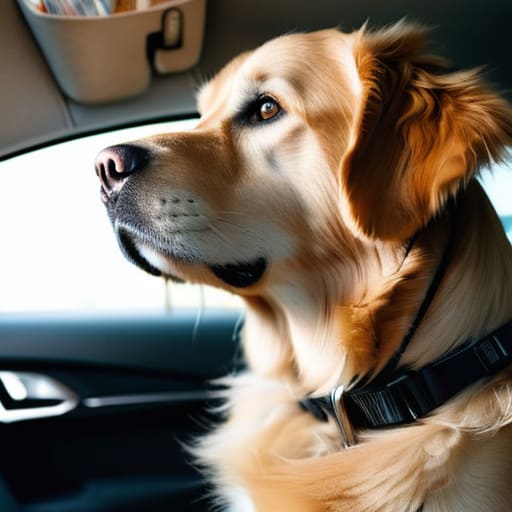
Look, you don’t need a fancy, $200 designer travel kit with matching leashes, but you do need the basics that actually keep an animal alive in a collision. My first rule is always about restraint. Forget the idea that a dog “prefers” to sit on your lap; if you have to slam on the brakes, that 60-pound lab becomes a projectile that will break your ribs or fly through the windshield. I always tell people to invest in a high-quality dog harness for car travel that clips directly into the seatbelt system. It’s not about comfort; it’s about physics.
Next, let’s talk about the stuff people forget until they’re five hours deep into a highway stretch with a frantic animal. A proper pet travel essentials checklist has to include a portable water bowl and a way to keep them hydrated without making a mess of your upholstery. I also keep a small kit of absorbent towels and some enzyme cleaner in the trunk. If your dog gets sick—and if they have a sensitive stomach, they will—you don’t want to be trying to scrub bile out of your floor mats at a gas station in the middle of the night.
Safe Dog Transportation Methods Avoiding the Expensive Mistakes
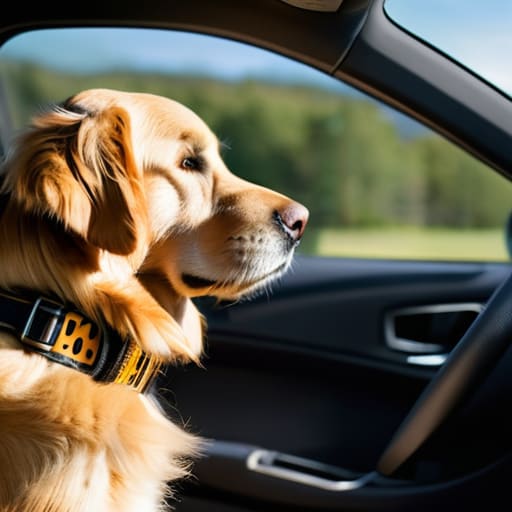
Let’s get one thing straight: letting your dog loose in the backseat like a passenger in a convertible is not “freedom,” it’s a physics problem. If you have to slam on the brakes for a deer, a sixty-pound Lab becomes a projectile that will either crush you or be crushed by you. I’ve seen the aftermath of unrestrained pets in the ER, and it isn’t pretty. You need a dedicated dog harness for car travel that clips directly into the seatbelt system, or better yet, a crash-tested crate. If you’re looking for safe dog transportation methods, stop looking at aesthetic booster seats and start looking at crash-test ratings.
Then there is the issue of the “puke factor.” If you’re trying to focus on the highway while your golden retriever is turning the upholstery into a crime scene, you aren’t driving safely. Preventing motion sickness in dogs usually starts with a conversation about timing; don’t feed them a heavy meal right before you pull out of the driveway. If they start drooling excessively or acting lethargic, that’s your cue to pull over. It’s much cheaper to buy some over-the-counter Cerenia than it is to pay for a professional detailer and a vet visit for dehydration.
Five Things I’ve Learned from Three Decades of Seeing Car-Related Crises
- Watch the thermometer, not just the weather. A car that feels “okay” to you can become a convection oven for a dog in under ten minutes. If you aren’t running the AC and seeing the vents blow cold, don’t even bother putting them in the back. I’ve seen heatstroke turn a fun weekend trip into a $1,500 emergency ER visit before you even hit the interstate.
- Stop treating motion sickness like a joke. If your dog is drooling excessively or acting lethargic, that’s not just “car sickness”—it’s a physiological stress response. Talk to your vet about Cerenia or a similar anti-emetic before you leave. It’ll cost you maybe $40 to $60 for a dose, which is a hell of a lot cheaper than a vet bill for dehydration and vomiting-induced electrolyte imbalances.
- Skip the “human” treats on the road. I know, you want to reward them for being good, but a heavy, fatty treat in a moving vehicle is a one-way ticket to an upset stomach. Stick to small amounts of bland food or nothing at all for the actual drive. If they haven’t eaten in four hours, they’re usually better off.
- Know your “Red Line” symptoms. There is a difference between a dog that is panting because they are excited and a dog that is panting with pale gums and frantic, wide-eyed behavior. If the gums look white or blueish instead of bubblegum pink, you aren’t looking for a rest stop; you’re looking for the nearest 24-hour clinic.
- Secure the passenger, not just the driver. I’ve seen people spend a fortune on fancy harnesses but leave the dog loose in the backseat. In a sudden stop or a minor fender bender, a 60-pound dog becomes a 60-pound projectile. If they aren’t buckled into a crash-tested harness or in a secured crate, you aren’t traveling safely; you’re just gambling.
The Bottom Line Before You Hit the Road
Don’t confuse a little drool with a medical crisis; if your dog is vomiting repeatedly or acting lethargic despite the AC being on, you aren’t dealing with motion sickness, you’re dealing with heatstroke or a serious neurological issue that needs an ER visit immediately.
Invest in a crash-tested harness or crate now, because a $50 mistake in restraint is much cheaper than a $3,000 emergency vet bill for a broken limb or internal bleeding after a sudden stop.
Stop looking for “natural” car sickness remedies in your pantry; if your dog can’t keep water down, they’ll dehydrate faster than you think, and you’ll be paying for subcutaneous fluids at a clinic halfway to your destination.
The Difference Between a Nauseous Dog and a Medical Emergency
“Most people think a dog panting in the backseat is just ‘car sickness,’ but if that panting is heavy, rhythmic, and doesn’t stop when you turn the AC up, you aren’t dealing with a tummy ache—you’re dealing with heatstroke or acute distress, and by the time you hit the emergency vet, you’re looking at a four-figure bill instead of a simple anti-nausea pill.”
Marlene Ostrowski
The Bottom Line Before You Hit the Gas
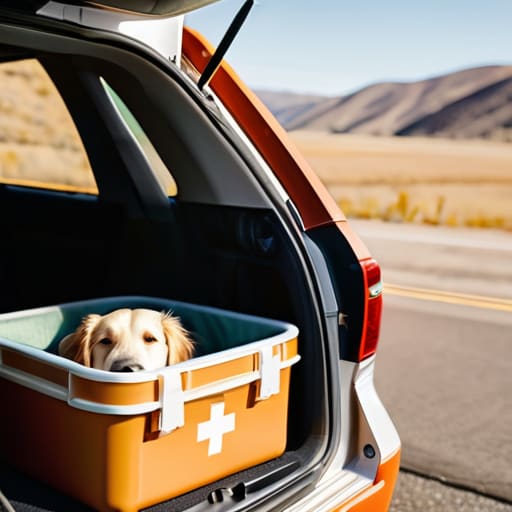
At the end of the day, traveling with a dog isn’t about having the most expensive tactical harness or the fanciest portable water fountain; it’s about predictability and restraint. You’ve checked the crates, you’ve planned your stops every two to three hours, and you know exactly what your dog’s “I’m actually sick” face looks like versus their “I’m just bored” face. If you’ve done the prep work—securing them properly and packing a kit that includes more than just a bag of kibble—you’ve already bypassed the most common mistakes that turn a fun weekend into a three-digit emergency vet bill on the side of the highway.
I know it’s a lot of extra weight to carry, both literally in your trunk and mentally in your planning. But after thirty years of seeing owners panic in the middle of a highway because their dog flew loose in the backseat or dehydrated in the heat, I can tell you that the effort is worth it. Your dog doesn’t need a luxury suite on wheels; they just need you to be the steady, prepared hand that keeps them safe. Do the work upfront, stay observant, and then actually enjoy the drive. You both earned it.
Frequently Asked Questions
My dog gets carsick every time we leave the driveway; is there a safe medication I can give him, or am I just looking at a massive vet bill for an emergency visit if he vomits on the highway?
If he’s vomiting in the driveway, he’s not just “carsick”—he’s nauseated, and that’s a miserable way to travel. Don’t wait for a highway emergency. Call your vet and ask about Cerenia; it’s the gold standard for motion sickness, though it isn’t cheap. If you’re on a budget, ask about dimenhydrinate, but be prepared for heavy sedation. You’ll likely spend $50–$100 on the consult and meds, which is still cheaper than an emergency visit for dehydration.
If my dog is a large breed, is it actually safer to let him sit in the back seat with me, or am I just risking him becoming a projectile if I have to slam on the brakes?
If you’re driving a sedan, let’s be blunt: your dog isn’t a passenger, he’s a 70-kilogram projectile. In a collision at 35 mph, that weight becomes a force that will crush you or kill him instantly. If he’s too big for a crash-tested crate, you need a heavy-duty dog seatbelt tether. It’s not about comfort; it’s about physics. Don’t let sentimentality turn a fender-bender into a funeral.
How much should I realistically budget for "just in case" medical costs or unexpected boarding fees if our car breaks down halfway through a long trip?
Look, don’t just set aside fifty bucks and hope for the best. If your car dies in a town you don’t know, you’re looking at a “triple threat” cost: emergency boarding, a sudden vet visit, and the logistics of getting your dog home. I’d budget at least $400 to $600. That covers a night or two of premium boarding and a basic exam with some diagnostic bloodwork if your dog’s stress levels spike.