
I spent twenty-eight years watching people stare at a vaccine vial like it was a magic potion or a poison, depending on which Facebook group they’d been lurking in that morning. There is so much noise out there—people claiming you can “naturalize” your way out of parvovirus or that every single shot is a conspiracy—that the actual science gets buried under a mountain of fear and bad advice. I’ve sat in exam rooms with owners who were trembling because they didn’t understand how vaccinations work for pets, and frankly, I’m tired of seeing preventable illnesses turn into expensive, heartbreaking emergencies just because someone was too intimidated by the jargon to ask a real question.
I’m not here to sell you a lifestyle or preach at you from a pedestal. I’m going to give you the straight truth about what these shots actually do to an animal’s immune system, what the real-world costs look like, and which ones are non-negotiable versus what might be a conversation for a rainy day. My goal is to strip away the hype and give you the clinical reality so you can make a decision based on facts, not internet hysteria.
Table of Contents
Understanding the Immune System Response in Animals

Think of the immune system response in animals like a training camp for a very small, very specialized army. When we administer a vaccine, we aren’t actually giving your pet the disease; we are giving their body a “Most Wanted” poster. The vaccine contains a tiny, harmless piece of a pathogen—maybe a dead virus or a weakened protein—that mimics the real thing. This triggers the white blood cells to recognize the intruder, learn its signature, and build a defense strategy without your dog or cat actually getting sick.
The goal of these pet vaccination protocols is to create immunological memory. Once the body identifies the threat, it produces specific antibodies that stay on standby. If your pet ever encounters the actual, live virus in the wild, their system doesn’t waste time wondering what to do; it recognizes the signature immediately and shuts the intruder down before it can replicate. This is the backbone of preventative veterinary medicine. It’s much easier to train the army during a quiet period than it is to try and fight a full-scale invasion once the virus has already started tearing through their organs.
Why Checking Antibody Levels in Pets Matters
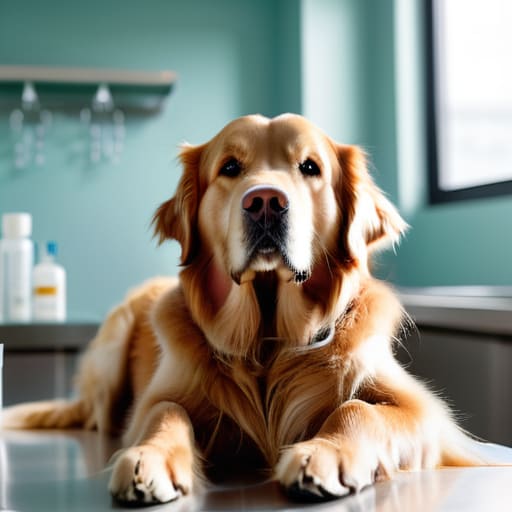
Now, here is where things get a little messy in the real world: the “one size fits all” approach to boosters. I’ve seen owners get frustrated when their vet suggests a blood test instead of just slapping on another shot. They see it as an extra expense, but checking antibody levels in pets is actually the most practical way to avoid over-vaccinating. We call this titer testing. Instead of blindly following a calendar, we’re looking for proof that the immune system response in animals is actually doing its job. If your dog’s parvovirus titers are still high, you aren’t just saving money on the vaccine; you’re avoiding the unnecessary stress of a shot they don’t actually need.
That said, don’t mistake a good titer for a free pass on everything. While we use these tests to refine our pet vaccination protocols, they don’t cover every single bug out there. You might have high antibodies for distemper, but that doesn’t mean your cat is protected against something else entirely. It’s about finding the balance between being over-zealous and being dangerously negligent. I’ve sat in exam rooms where people thought they were being “natural” by skipping everything, only to end up in the ER three weeks later because they didn’t realize their protection had lapsed.
Five Things Your Vet Probably Didn't Have Time to Explain
- Don’t mistake a “core” vaccine for a “one and done” deal. Just because your dog had a shot at eight weeks doesn’t mean they’re set for life. Immunity wanes, and if you miss that booster window, you aren’t just risking a sniffle; you’re leaving the door wide open for things like Parvo that can turn a healthy puppy into a critical patient in less than 48 hours.
- Watch for the “reaction window.” I’ve spent more time than I’d like to admit holding a trembling cat steady while an owner panics because of a little swelling. Most reactions—hives, mild lethargy, or a bit of vomiting—happen within the first hour or two. If you see facial swelling or if they can’t catch their breath, stop reading this and get to an ER immediately; that’s anaphylaxis, and it’s expensive and scary.
- Stop asking for “natural immunity” through diet alone. I’ve had the same argument with owners for twenty-five years. You can feed your dog the most expensive, raw, biologically appropriate diet on the planet, but it won’t teach their white blood cells how to recognize the Distemper virus. Diet supports the immune system, but vaccines provide the blueprint. You need both.
- Be honest about your budget so we can plan. If you tell me you can’t afford the full protocol, I can’t help you “selectively” vaccinate based on your lifestyle. If your dog is a couch potato but lives in a high-density urban area, they still need protection. It’s better to budget for a $150 wellness visit now than a $3,000 hospitalization later because we skipped a “non-essential” shot.
- Keep a paper trail, not just a digital one. Vet records get lost, clinics merge, and software glitches happen. If you’re moving or switching vets, carry a physical or PDF copy of the exact dates and the manufacturer of the vaccine. When an animal is sick, I don’t want to spend twenty minutes hunting through a database to see if they’re current; I want to know exactly what they’re fighting.
The Bottom Line on Vaccines
Think of a vaccine as a training drill, not a magic shield; it teaches the body how to fight, but it doesn’t mean your pet is invincible to everything else.
Don’t fall for the “one and done” myth—skipping boosters because they seem unnecessary is how a routine preventable turns into a $3,000 emergency ICU stay.
Testing for antibodies is a smart way to see if the training stuck, but remember that a high titer doesn’t always mean they’re protected against every single strain currently circulating.
## The Training Session Your Pet Never Asked For
“Think of a vaccine like a controlled drill in a fire station; we’re showing their immune system exactly what the enemy looks like without actually letting the fire burn the house down. It’s a lot cheaper to pay for a scheduled booster today than it is to pay a $3,000 emergency fee on a Sunday night because you thought their ‘immunity’ was doing better than it actually was.”
Marlene Ostrowski
The Bottom Line on Prevention

At the end of the day, vaccines aren’t just a line item on your annual vet invoice; they are a biological training manual for your pet’s immune system. We’ve talked about how the body learns to recognize a pathogen, why those antibody titers actually matter, and why you can’t just rely on a neighbor’s “my dog is fine” anecdote. You need to understand that a vaccine is a controlled way to prepare for an uncontrolled situation. Skipping a booster because it feels redundant or because you’re trying to tighten the budget is a gamble where the stakes are your pet’s life. If you aren’t checking those levels or staying on schedule, you aren’t just saving money—you are leaving the door unlocked for a virus that doesn’t care how healthy your dog looks today.
I’ve spent three decades watching people walk into the clinic with “sudden” illnesses that were actually preventable months ago. It breaks my heart every single time. But I’ve also seen the peace of mind that comes with a well-managed health plan. Being a responsible owner doesn’t mean being perfect, but it does mean being proactive rather than reactive. When you keep up with vaccinations, you aren’t just checking a box; you are building a fortress of protection around the animals who depend on you for everything. Do the work now, so you aren’t sitting in a sterile emergency exam room at 3:00 AM wondering if it could have been avoided.
Frequently Asked Questions
If my dog's antibody titer came back low, does that mean I absolutely have to pay for another round of shots right away?
Look, don’t panic, but don’t ignore it either. A low titer means the “memory” in your dog’s immune system is fading. Whether you need shots today depends on the specific disease. If it’s distemper, you move fast. If it’s just a dip in parvovirus protection, you might have a little breathing room. Ask your vet for the specific numbers. It’s better to spend the money on a booster now than a $3,000 ICU stay later.
Are these vaccines actually going to protect my cat if she's an indoor-only pet, or am I just wasting money?
Look, I’ve heard this a thousand times. People think “indoor-only” means “invincible.” It doesn’t. You bring the pathogens in on your shoes, your clothes, or that stray cat you let in for a quick sniff. If your indoor cat gets Parvovirus or Distemper from a visitor, there is no “home remedy” and the vet bill will make your eyes water. It’s not a waste of money; it’s cheap insurance against a very expensive mistake.
I've heard about "core" versus "non-core" vaccines—is it really safe to skip the non-core ones to save on the clinic bill?
Look, I get it. The bill is high, and “non-core” sounds like an optional extra, like premium cable. But “non-core” just means the disease isn’t a constant threat in every single clinic, not that it isn’t dangerous. If you live near a boarding facility or a high-traffic park, skipping Bordetella or Leptospirosis is a gamble. You might save fifty bucks today, but you’ll spend five hundred on an emergency visit when they catch something preventable.