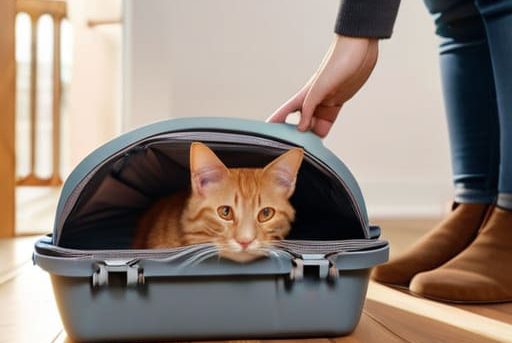
I’ve spent three decades watching people walk into my clinic carrying cats that look like they’re preparing for a trip to the gallows, all because they bought a carrier based on a cute pattern or a bargain bin price. They think they’re being smart, but they haven’t realized that learning how to choose a cat carrier isn’t about finding a stylish accessory; it’s about preventing a total psychological breakdown for your pet. I once saw a woman struggle with a rigid plastic crate that was two sizes too small for her Maine Coon, and the resulting claw-to-flesh combat in the exam room was something I won’t soon forget.
I am not here to sell you on some overpriced, designer travel suite that promises “luxury” but offers zero ventilation. Instead, I’m going to give you the clinical reality of what actually works when you’re trying to move a terrified animal from point A to point B. I’ll tell you which materials will survive a frantic scratch, which sizes actually account for a cat’s ability to turn around, and exactly how much you should be spending to get something that won’t fail you when you’re halfway to the emergency vet at midnight.
Table of Contents
- Hard Shell vs Soft Sided Carriers Which One Actually Protects
- Why Cat Carrier Dimensions for Large Cats Matter More Than Price
- Five Things Your Vet Wishes You Knew Before You Hit 'Buy Now'
- The Bottom Line Before You Head to the Pet Store
- The Myth of the "One Size Fits All" Carrier
- The Bottom Line
- Frequently Asked Questions
Hard Shell vs Soft Sided Carriers Which One Actually Protects
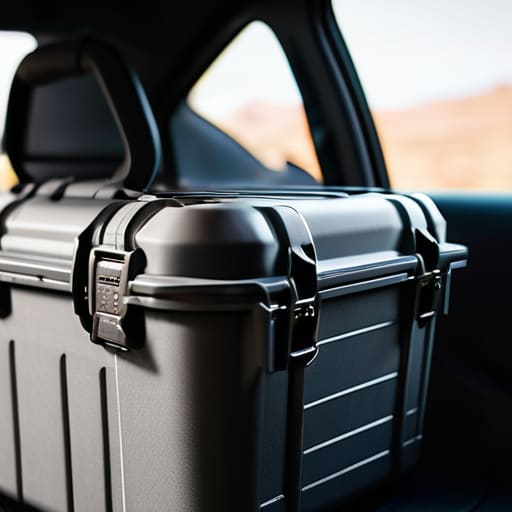
Look, I’ve spent enough time in the back of an exam room to know that a carrier isn’t just a box; it’s a fortress or a cage depending on what you buy. If you’re dealing with a real “flight risk”—the kind of cat that turns into liquid the moment they hear a car door—you need to weigh the pros and cons of hard shell vs soft sided carriers. Hard plastic shells are the gold standard for structural integrity. If a heavy crate or a frantic dog bumps into it in the car, that shell isn’t going to buckle. They are easier to disinfect, too, which is a godsend if your cat has a nervous accident mid-trip.
However, if you are traveling with anxious cats who thrive on feeling tucked away, soft-sided carriers have their place. They offer better breathable mesh ventilation and, more importantly, they feel less like a prison cell. The downside? They offer zero protection against crushing, and they aren’t going to hold up if your cat decides to launch themselves at the zipper. If you’re flying, don’t get cute with the fabric; stick to the rigid stuff that meets airline requirements.
Why Cat Carrier Dimensions for Large Cats Matter More Than Price
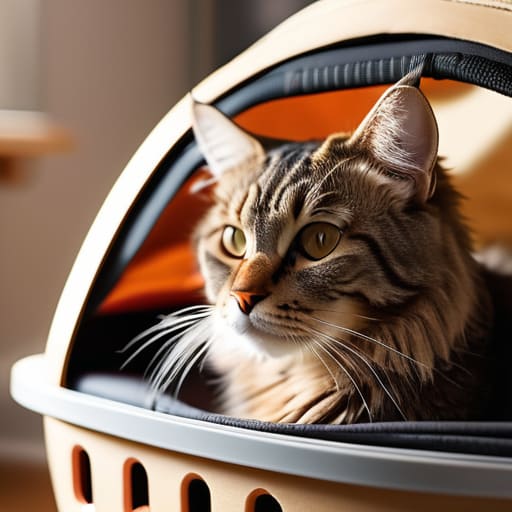
I’ve seen it happen more times than I can count: an owner buys a “bargain” carrier that looks fine on the shelf, only to realize at the vet’s office that their 14-pound tabby can’t even turn around. When we talk about cat carrier dimensions for large cats, we aren’t just talking about comfort; we are talking about stress management. If a cat is cramped, they can’t shift their weight or settle into a ball, which means their cortisol levels spike immediately. A stressed cat is a cat that is more likely to bolt the second you crack that door open in the parking lot.
Don’t get distracted by flashy features or a low price tag if the footprint is too small. You might find a carrier with great breathable mesh ventilation, but if the interior space is a coffin, that extra air won’t stop your cat from panicking. I always tell people to measure their pet while they are curled up, not just standing up. If you are traveling with anxious cats, space is your best friend. A slightly larger carrier gives them a sense of security, whereas a tight fit makes them feel trapped.
Five Things Your Vet Wishes You Knew Before You Hit 'Buy Now'
- Check the mesh, not just the look. If you can push your finger through the netting with moderate pressure, your cat is going to find that hole the second they get spooked in the car. You want heavy-duty, reinforced mesh that won’t shred when a frantic ten-pound tabby starts clawing at the sides.
- Look for “top-loading” access. I’ve spent more time than I care to admit trying to maneuver a terrified, liquid-shaped cat into a standard front-loading plastic box while a technician holds the door. If you can drop them in from the top, you save yourself a panic attack and a lot of scratched forearms.
- Test the handle ergonomics. It sounds trivial until you’re walking two blocks to the clinic with a heavy, struggling cat and a carrier that digs into your palm like a cheese wire. If the handle isn’t padded or wide enough to distribute the weight, you’re going to be miserable, and a stressed owner makes for a stressed pet.
- Don’t ignore the “scent factor.” Buy something that is easy to wipe down or, better yet, has removable, machine-washable liners. Between hair, spilled water, and the occasional stress-induced accident, a carrier that smells like a damp basement is a quick way to make your cat refuse to ever step foot in it again.
- Size it for the “scrunched” reality. People always buy a carrier that fits their cat perfectly while the cat is standing up. That’s a mistake. A cat needs to be able to turn around and, more importantly, curl into a ball. If they are forced to stand upright or stretched out, they can’t self-soothe, and they’ll be much harder to settle once you actually get to the exam room.
The Bottom Line Before You Head to the Pet Store
Stop buying for the cat you have now and start buying for the cat they will be in five years; if you have a large breed or a cat that tends to bloat when stressed, skip the small hard shell and get a larger, soft-sided carrier that actually allows them to turn around.
Prioritize containment over comfort when it comes to the “escape artist” factor—a soft carrier is easier for a nervous cat to hide in, but if your cat is a frantic screamer, you need the structural integrity of a hard shell so they don’t chew their way out in the car.
Don’t let a $20 saving on a cheap carrier turn into a $500 emergency vet bill; a carrier that’s too small or poorly ventilated causes physiological stress that can spike a senior cat’s blood pressure or trigger a respiratory crisis before you even reach the clinic.
The Myth of the "One Size Fits All" Carrier
“I’ve spent half my career wrestling cats out of carriers that were too small for them to turn around in or too flimsy to keep them calm. If you buy a carrier based on how much shelf space it takes up in your closet rather than whether your cat can actually hide in a corner and breathe deeply, you aren’t buying a travel tool—you’re buying a stress inducer that’s going to make your vet visit twice as hard for everyone involved.”
Marlene Ostrowski
The Bottom Line
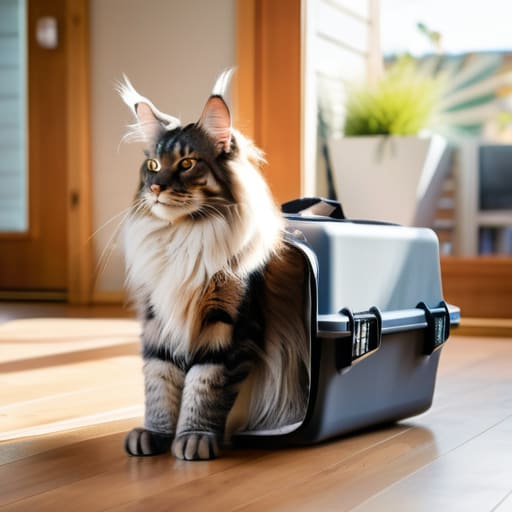
At the end of the day, picking a carrier isn’t about finding the prettiest pattern or the lowest price tag on a website; it’s about predicting how your cat will react when the world starts getting loud and scary. You need to weigh the structural integrity of a hard shell against the comfort and accessibility of a soft-sided model, and you absolutely cannot ignore the dimensions. I’ve seen too many owners try to squeeze a fifteen-kilogram Maine Coon into a carrier meant for a five-kilogram tabby, only to have a meltdown in the middle of a crowded waiting room. Remember: measure twice, buy once. If they can’t turn around comfortably, or if you can’t get a hand in there to steady them during a blood draw, you’ve bought the wrong box.
I know it feels like an unnecessary expense until you’re sitting in a dark exam room at 2:00 AM, trying to coax a terrified animal out of a cramped plastic crate. But a good carrier is more than just a transport tool; it is a mobile safe haven that helps bridge the gap between the peace of your living room and the chaos of the clinic. Don’t wait until you have an emergency to realize your equipment is inadequate. Invest in something that respects your cat’s dignity, and I promise you, your future self—and your vet—will thank you for it.
Frequently Asked Questions
My cat absolutely hates being put in a carrier; is there a specific type that might make the vet visit less of a nightmare for both of us?
If your cat treats the carrier like a torture chamber, stop fighting them with the hard plastic boxes. Get a soft-sided one with mesh windows. It feels less like a cage and more like a tent, and you can actually squeeze it into a tight car seat or a corner to make them feel cornered—in a safe way. Also, stop waiting until the car door closes to put them in. Leave the carrier out with a blanket inside every single day.
If I’m planning on traveling by car or plane, does the carrier need to be more heavy-duty than a standard one I'd use for a quick check-up?
If you’re just popping down the street for a vaccination, a standard carrier is fine. But for travel? Absolutely, you need something more robust. In a car, you aren’t just worried about the cat escaping; you’re worried about a sudden stop or a collision. For planes, the stakes are even higher with TSA handling your luggage. Don’t skimp here. Spend the extra $30 or $40 on a reinforced model; it’s cheaper than an emergency vet visit for a panicked, injured cat.
How do I know if a carrier is actually safe for a senior cat with arthritis, or if I'm just buying a cramped box that's going to cause them more stress?
If your cat has arthritis, “containment” isn’t your goal—access is. A standard carrier requires them to step over a high lip, which is a nightmare for a senior with stiff hips. Look for a “top-loading” model or one with a removable top. If they can be lowered into it rather than forced to climb, you’ve won half the battle. If you see them hesitating at the door, the entry is too high.