
I’ve sat in a dozen different exam rooms, usually holding a clipboard and trying to keep my face neutral while an owner realizes their world just ended. I’ve seen people try to buy their way out of the ache with expensive “memorial crystals” or spend weeks scrolling through toxic wellness forums looking for a spiritual shortcut on how to cope with pet loss. Let me tell you something: no amount of sage burning or overpriced sympathy cards is going to stop that hollow feeling in your chest when you realize you haven’t heard the click of nails on the hardwood in three days. The internet loves to wrap grief in flowery, useless platitudes, but grief isn’t a project to be finished; it’s a physical weight you have to learn to carry.
I’m not here to give you a list of “healing crystals” or tell you that everything happens for a reason—because, frankly, sometimes it just sucks. What I am going to give you is the unfiltered reality of what comes next. I’ll talk about the practical, messy side of moving on, from the sudden, jarring silence of a house without a heartbeat to the guilt that hits you when you finally stop checking the floor for a water bowl. I’ve seen the best and worst of this, and I’m going to tell you what actually helps and what is just noise.
Table of Contents
Navigating the Brutal Stages of Pet Bereavement

People love to talk about the “stages” of grief like they’re steps on a ladder you climb until you reach the top and suddenly feel fine. They aren’t. When I was working the floor, I saw people cycle through denial, anger, and depression like a pendulum. You might feel okay one morning, then catch a glimpse of an empty food bowl in the kitchen and feel like you’ve been hit by a truck. This isn’t a linear process; it’s a messy, looping orbit. Dealing with pet loss guilt is usually the heaviest part of that loop—the “what ifs” regarding the last dose of medication or that missed symptom. I spent years listening to owners replay those moments, and I can tell you, the guilt is often just grief looking for a place to sit.
When you are actually healing after losing a dog or cat, you have to stop expecting yourself to be “productive” with your sadness. Some days, navigating the stages of pet bereavement means just getting through the afternoon without staring at their empty bed. It’s okay if it feels brutal; it’s because the bond was real.
Dealing With Pet Loss Guilt Without Losing Your Mind

If you’re sitting there replaying that last vet visit in your head, wondering if you should have pushed for one more blood panel or if you missed that subtle limp three weeks ago, stop. I’ve spent thirty years watching owners do exactly that, and I’m telling you: the guilt is a liar. It’s easy to look back with 20/20 hindsight and decide you failed, but you were making decisions in real-time with the information you had. Dealing with pet loss guilt isn’t about proving you were perfect; it’s about accepting that you were human. You didn’t fail them; you just reached the end of the road together, and that road is rarely a straight line.
The “what ifs” are the hardest part of healing after losing a dog or cat, especially when the end involves difficult choices like euthanasia. You’ll convince yourself that you were being selfish, but in my experience, choosing to end their suffering is often the most selfless, agonizing gift you can give. It’s a heavy burden, but don’t let it turn into a permanent weight that keeps you from loving the animals still in your life.
The Practical Side of Surviving the Empty House
- Stop the “What If” loop before it breaks you. I spent decades watching owners walk into the clinic with that look in their eyes—the one that says they’re replaying the last 48 hours like a horror movie. You didn’t miss the signs, and you didn’t fail them. If you find yourself obsessing over a missed symptom or a late vet visit, recognize it for what it is: a symptom of grief, not a factual error in your care.
- Manage the physical triggers. When you’ve spent ten years stepping over a specific sleeping dog or hearing a certain jingle of a collar, the silence is deafening. Don’t feel like you have to pack everything into a garage bin by Tuesday. If seeing the empty food bowl makes you nauseous, move it. If the silence is too much, put on some background noise. You’re re-training your brain to live in a different environment; give it some grace.
- Beware the “replacement” trap. People will tell you, “Just get another one to fill the void.” Some people do that, and for some, it works. But don’t do it out of a panicked need to stop the hurting. A new animal is a new soul, not a patch for an old one. If you’re going to bring a new animal into your home, do it when you’re ready to love them, not when you’re trying to forget the one you lost.
- Don’t let people minimize your pain. You’ll get the “It was just a dog/cat” crowd. I’ve seen people lose their entire sense of stability when a pet dies, and they have every right to. You don’t owe anyone an explanation of why your grief is “valid.” If someone makes you feel small for mourning a creature that gave you unconditional loyalty for fifteen years, they aren’t worth your breath.
- Watch your own health, because animals can sense a shift. When I was working, I saw owners who stopped eating or sleeping because they were so consumed by loss. If you’re neglecting your own basic needs, you’re going to crash. You can’t honor the memory of a pet you spent your life caring for if you’re letting yourself fall apart. Take the shower, eat the meal, and take it one hour at a time.
The Bottom Line: What You Actually Need to Know
Grief isn’t a checklist you complete; it’s a messy, unpredictable process that will likely hit you in waves when you least expect it, so stop trying to “fix” your sadness and just let it happen.
If you are drowning in “what if” scenarios regarding medical decisions or end-of-life care, remember that you made the best call you could with the information you had at the time—guilt is a liar that ignores the reality of the situation.
Watch your own vitals; if the loss is making it impossible for you to eat, sleep, or care for the animals still in your home, that is when you stop trying to white-knuckle it and actually reach out for professional help.
The Empty Food Bowl
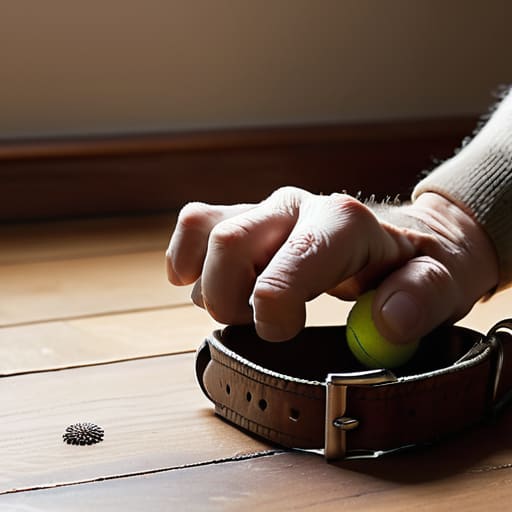
People talk about grief like it’s some grand, poetic thing, but for those of us who lived it, it’s actually much smaller and much louder: it’s the sound of a ceramic bowl hitting the floor that never rings, the heavy silence where a tail should be thumping against the floorboards, and the realization that your routine hasn’t just changed—it’s been broken. You don’t “get over” it; you just learn to live around the empty spaces they left behind.
Marlene Ostrowski
The Long Road Back
Look, there isn’t a checklist that magically clears the fog. We’ve talked about the messy, non-linear stages of grief and that heavy, suffocating guilt that tells you that you should have caught the symptom sooner or spent more on that last round of chemo. But the reality is that grief isn’t something you “solve”—it’s something you carry. You have to accept that the anger, the numbness, and the sudden, sharp stabs of sadness are just the physiological tax for having loved something deeply. If you find yourself spiraling into a version of grief that makes it impossible to eat or care for the animals still in your life, that is when you stop trying to white-knuckle it alone and go find a professional.
I’ve spent three decades standing in exam rooms watching people break apart, and if there is one thing I know, it’s that the pain eventually stops being a jagged edge and starts feeling more like a dull ache. It doesn’t mean you loved them any less; it just means you’ve learned how to live around the hole they left behind. Eventually, you’ll find yourself smiling at a memory instead of crying at the thought of their empty bed. You aren’t “moving on” from them—you are carrying them with you into the next chapter. Take it one hour at a time, and for heaven’s sake, be as kind to yourself as you would be to a frightened, hurting animal.
Frequently Asked Questions
When is it actually okay to get a new pet, or am I just trying to fill a hole that won't stay filled?
There isn’t a calendar for this, but there is a litmus test. If you’re looking for a replacement to “fix” the hole, you’ll fail; you’ll just resent the new animal for not being the one you lost. But if you find yourself thinking about the specific needs of a new dog—the cost of the food, the vet schedule, the actual daily work—and you feel a sense of readiness rather than desperation, then you’re ready.
How do I handle friends or family who tell me "it was just a dog" when I feel like I've lost a limb?
Listen, I’ve sat in exam rooms where people wept like they’d lost a child, and I’ve sat in waiting rooms where people didn’t even blink. Both are valid, but the “it was just a dog” crowd? They’re usually just uncomfortable with grief they can’t fix. Don’t try to convince them. You don’t owe them an explanation for your heartbreak. Just find the people who know that a house without that specific heartbeat feels empty.
I'm struggling with the financial guilt—how do I forgive myself for not being able to afford the last round of emergency treatment?
Listen to me: Money is a finite resource, and it is not a measure of your love. I have stood in exam rooms where owners had to choose between a $4,000 surgery or paying their mortgage. They weren’t “bad” owners; they were people living in a reality that doesn’t care about veterinary margins. You made a decision based on the tools you had. That isn’t a failure of heart; it’s just the math of being human.