
I’ve spent thirty years cleaning up accidents that people tried to fix with expensive, scented “soothing” sprays or by simply buying more absorbent pads, and frankly, I’m tired of seeing owners throw money at the wrong problems. If you’re searching for how to manage incontinence, you don’t need a lifestyle blog telling you to buy a designer waterproof throw; you need to know if your dog is just getting old or if their bladder is failing because of a silent infection. I have seen too many people wait three weeks to call the vet because they thought a little leaking was just part of the deal, only to end up with a massive bill for kidney treatment that could have been avoided with a simple, twenty-dollar antibiotic course.
In this guide, I’m not going to sugarcoat the reality of living with a pet that can’t hold it. I’m going to give you the clinical truth about when a leak is a routine fix and when it’s a midnight emergency. I’ll tell you exactly what supplies are worth your hard-earned money, what the real costs look like, and how to keep your house from smelling like a kennel without losing your mind.
Table of Contents
- Recognizing Dietary Triggers for Bladder Issues Before They Escalate
- Incontinence Symptom Relief vs the Need for Medical Intervention
- Five Ways to Keep Your Sanity (and Your Floors) While You Sort This Out
- The Bottom Line: When to Act
- The Cost of Waiting
- The Bottom Line on Leaks and Lifespan
- Frequently Asked Questions
Recognizing Dietary Triggers for Bladder Issues Before They Escalate
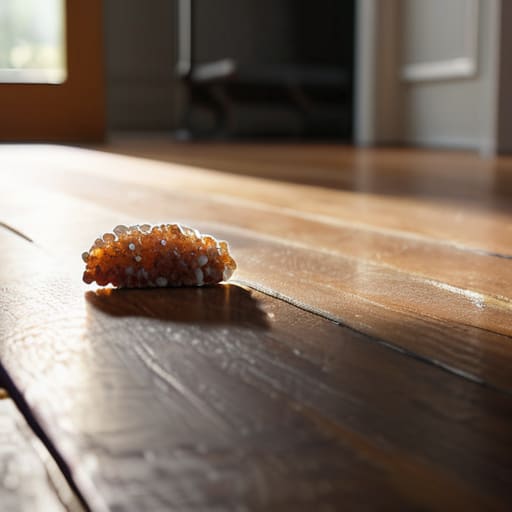
Look, I’ve spent three decades watching owners blame “old age” for things that were actually just a bad bowl of kibble. While I can’t give you a prescription, I can tell you that what goes into the gut often dictates what comes out of the bladder. One of the most common dietary triggers for bladder issues I saw in the clinic was high-sodium processed treats. When you load a dog or cat up with salt, you’re essentially forcing their kidneys to work overtime to balance the chemistry, which leads to increased thirst and, eventually, those little accidents on the rug you didn’t see coming.
You also need to keep a sharp eye on mineral imbalances. If you’re one of those people experimenting with homemade diets or raw feeding—and believe me, I’ve had my fair share of debates with vets about it—you have to be precise. Too much magnesium or calcium can lead to crystals or stones. If you notice your pet is straining or licking themselves excessively, that isn’t just a “quirk”; it’s a sign that dietary management isn’t enough and you need to get to a vet before a blockage happens.
Incontinence Symptom Relief vs the Need for Medical Intervention

There is a massive difference between a dog that has a little accident because they’re getting older and a dog that is physically losing the ability to hold it. If you’re looking for incontinence symptom relief at home, you might start with things like belly wraps or specialized diapers to keep your rugs clean, but those are just Band-Aids. They don’t fix the underlying plumbing. If the leakage is just a small damp spot once or twice a week, you might have time to schedule a regular appointment. But if the bladder is constantly leaking, or if they are “leaking while sleeping,” that’s a different conversation entirely.
You need to watch for the “red flag” symptoms that turn a routine fix into a midnight emergency. If the leaking is accompanied by straining, blood in the urine, or a sudden refusal to eat, stop trying to manage it with lifestyle tweaks and get to an ER. I’ve seen too many owners try to wait it out because they thought it was just a “senior thing,” only to realize too late that it was a complete urinary blockage or a severe infection. Don’t mistake convenience for stability.
Five Ways to Keep Your Sanity (and Your Floors) While You Sort This Out
- Stop the “accidental” leaks by switching to high-absorbency veterinary wraps rather than the cheap drugstore pads; the drugstore ones swell and then collapse, leaving you to mop up a puddle while your dog looks at you like you’re the crazy one.
- Keep a strict hydration log for forty-eight hours—if they are drinking significantly more than usual (polyuria/polydipsia), you aren’t dealing with a bladder muscle problem, you’re dealing with a metabolic one like diabetes or kidney disease, and you need to call the vet.
- Invest in a heavy-duty enzymatic cleaner, not just a grocery store disinfectant; if you don’t break down the uric acid completely, the scent lingers for them even if you can’t smell it, and they will keep returning to that same spot to “mark” again.
- Manage the environment by using waterproof furniture covers or washable mats, but don’t let the house become a padded cell—if they lose their sense of territory, they can get depressed, and a depressed senior dog is a whole different kind of headache.
- Watch the weight like a hawk; if your dog is even a couple of kilograms overweight, that extra pressure on the pelvic floor makes every management strategy twice as hard, and losing that weight is often more effective than any pill the vet can prescribe.
The Bottom Line: When to Act
Don’t mistake “leaking” for just getting old; if the incontinence is accompanied by straining, blood in the urine, or a sudden refusal to eat, you aren’t looking at a routine management issue—you’re looking at an emergency.
Budget for the “why” before the “how”; managing the symptoms with diapers or wipes is cheap, but diagnosing the underlying cause like a UTI or kidney issues requires bloodwork and urinalysis that will cost you significantly more upfront.
Watch the weight and the water; if you notice a sudden spike in thirst alongside the accidents, stop trying home remedies and call the vet, because that’s often the first red flag for something systemic like diabetes or renal failure.
The Cost of Waiting
“I’ve spent thirty years watching owners try to ‘manage’ bladder leaks with expensive belly wraps and extra cleaning supplies, thinking they’re solving the problem when they’re actually just masking a crisis. If your pet is leaking, you aren’t managing a nuisance; you’re managing a symptom—and if that leak is accompanied by a loss of appetite or a change in how they drink, stop buying the diapers and start looking for an emergency clinic, because by the time it becomes ‘obvious,’ the treatment is going to cost five times more than it would have tonight.”
Marlene Ostrowski
The Bottom Line on Leaks and Lifespan

Managing incontinence isn’t just about buying more absorbent pads or scrubbing carpets; it’s about being a detective. You have to watch the diet to rule out irritants, keep a close eye on the frequency of accidents, and—most importantly—know the difference between a manageable age-related leak and a sudden change in behavior that signals a crisis. If you see blood in the urine or if your pet stops drinking, stop reading this and start looking for an emergency clinic. Don’t let the fear of a bill or the inconvenience of a mess keep you from realizing that waiting is often the most expensive mistake you can make.
At the end of the day, your pet isn’t “being bad” or “getting lazy” when they have an accident; they are losing control of something they’ve relied on their entire lives. It can be exhausting, messy, and frankly, a little demoralizing when you’re the one cleaning up at 3:00 AM. But remember that you are their advocate. Providing a clean, dignified environment and getting them the right medical support is how you honor the years they’ve given you. It isn’t always glamorous, but showing up for the hard parts is exactly what being a pet owner is all about.
Frequently Asked Questions
How much am I actually going to spend on prescription diets or incontinence medications every month?
Let’s talk numbers, because “affordable” is a relative term when you’re looking at a monthly budget. For a prescription urinary diet, expect to shell out $50 to $80 a month depending on the brand and bag size. If we’re talking medications like Propalin for incontinence, you’re looking at roughly $40 to $70 monthly. Budget for a $150–$300 initial vet visit for the bloodwork and urinalysis first. It’s a pill or a bag of food, not a luxury; it’s maintenance.
Can I just use dog diapers or "belly bands" indefinitely, or is that just masking a bigger problem?
You can use them, but don’t mistake a clean floor for a healthy dog. Belly bands are great for your carpets, but they’re a band-aid, not a cure. If you use them indefinitely without finding the “why,” you’re just masking a potential infection, a tumor, or failing kidneys. Plus, if you aren’t changing them constantly, you’re asking for a nasty skin infection or urine scald. Use the band; find the cause.
If my dog is leaking a little bit but still acting normal, can I wait a few days to see if it clears up, or is that asking for trouble?
If they’re eating, drinking, and acting like themselves, you can usually hold off until Monday. But there’s a line. If that “leaking” turns into a refusal to eat, or if they start straining and nothing comes out, that’s a blockage and you’re heading to the ER. A simple UTI is cheap to fix; a ruptured bladder or kidney failure is a bankruptcy-level event. Watch the thirst levels closely. If they’re drinking like they’re in a desert, call the vet now.