I remember sitting on a linoleum floor in a dimly lit exam room, watching a woman’s hands shake so violently she nearly dropped a vial of insulin. She wasn’t incompetent; she was terrified, and she had been reading some nonsense forum post that made her feel like she was performing surgery instead of just helping her dog live another day. Most of the advice you find online about how to give injections at home is either written by someone who has never actually had a 60-pound Labrador try to sit on their face, or it’s buried under layers of clinical jargon that makes you feel like you need a medical degree just to poke a skin fold.
I’m not here to give you a lecture or a sanitized, textbook guide that ignores the reality of a wriggling cat. I’m going to tell you exactly how to handle the physicality of the task—the steadying hand, the right angle, and the specific signs that tell you you’ve hit subcutaneous tissue versus something you shouldn’t have. I’ll give you the real numbers, the common pitfalls that lead to expensive vet visits, and the honest truth about when you can manage it yourself and when you need to stop playing nurse and call the professional.
Table of Contents
Choosing the Right Injection Needle Gauge Guide
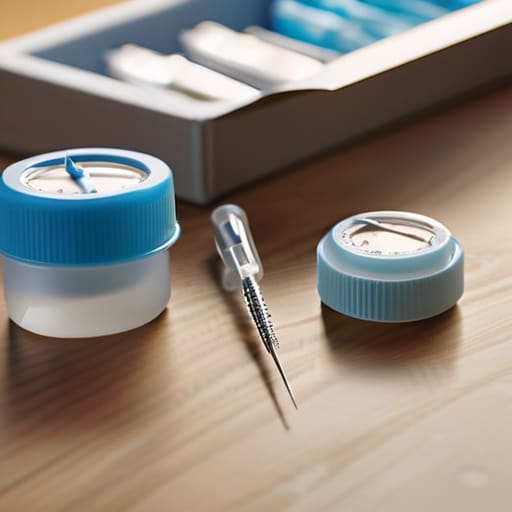
Look, when you open that box of supplies, the first thing that’s going to confuse you is the numbers. You’ll see things like 22G, 25G, or 27G. In the medical world, the higher the number, the thinner the needle. If you try to use a 20-gauge needle—which is about the thickness of a heavy-duty sewing needle—on a ten-pound cat, you aren’t just being “efficient,” you’re being cruel. You’ll end up with a puncture wound that looks like a puncture wound, and your pet will rightfully hate you for a week.
For most subcutaneous fluids or insulin, you want to be looking at something in the 25 to 27 gauge range. These are the tiny, fine needles that slide in with minimal resistance. If you are administering medication safely to a tiny senior dog or a particularly spicy feline, a 27G is your best friend. It minimizes the trauma to the tissue, which is the easiest way of preventing injection site infection and unnecessary swelling. Just remember: a thinner needle means you might have to draw the medication up more carefully, but it’s a trade-off worth making for your pet’s comfort.
Administering Medication Safely Without the Panic
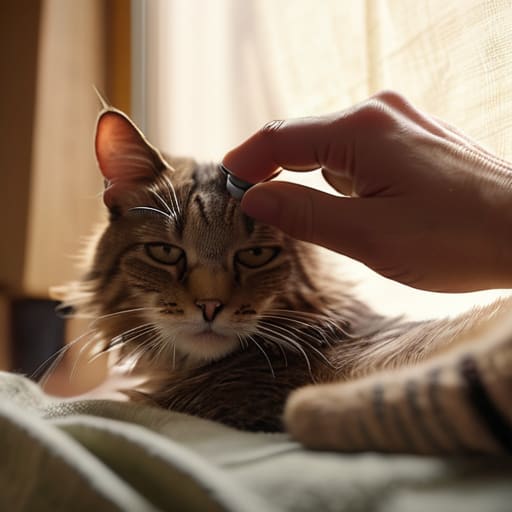
First, take a breath. If your hands are shaking, your cat is going to feel that tension through the carrier door, and then you’re both having a bad time. I spent decades calming down owners who were convinced they were about to puncture a lung, but most of the time, you’re just working with a bit of loose skin. When looking for subcutaneous injection sites, you aren’t aiming for muscle; you’re looking for that “tent” of skin between the shoulder blades or along the flanks. Gently pinch that skin upward to create a little pocket. If you try to force the needle into a tense, rigid body, you’re going to get a bite or a missed shot, and neither of you wants that.
Once you’ve got the site, focus on administering medication safely by keeping your workspace clean. I’m not talking about a surgical suite, but don’t do this on a rug where the dog just rolled in something gross. Wipe the skin with an alcohol swab first—it helps with preventing injection site infection, and honestly, it’s easier to see what you’re doing. Inject the fluid slowly. If you jam it in like you’re driving a nail, you’ll cause a hematoma, and then you’ll be paying an extra exam fee to have a vet look at a bruised neck.
Five Things I Wish Every Pet Owner Knew Before They Picked Up a Syringe
- Check your math twice, then check it again. I’ve seen people pull a dose from a vial based on a “feeling” or a rough estimate, and that’s how you end up with a pet in respiratory distress. If the vet prescribed 0.5ml per 5kg of body weight, do the math on paper. Don’t rely on your memory when you’re tired or stressed at 10:00 PM.
- Don’t fight the anatomy. If you’re trying to pin down a wriggling cat to get a subcutaneous injection, you’re going to miss, and you’re going to get scratched. I always tell people: if the animal is in a state of high panic, stop. You can wait twenty minutes for them to settle, or you can call the vet and ask about a sedative. A needle in the wrong place is a much more expensive problem than a delayed dose.
- Watch the site, not just the animal. After the injection, I want you to look at where the needle went in. A little bump or a slight redness is normal—that’s just the fluid sitting under the skin. But if that spot starts looking like a hot, angry tomato or if your dog starts limping on that side, that’s an infection or an abscess. That’s a vet visit, not a “wait and see” situation.
- Keep your supplies organized so you aren’t hunting for things while the dog is staring you down. I keep a small plastic bin with my alcohol wipes, fresh needles, the medication, and a sharps container. If you’re digging through a junk drawer for a cotton ball while your cat is trying to bolt, you’re asking for a needle stick or a spilled dose.
- Learn the difference between a “bump” and a “lump.” When you’re doing subcutaneous injections, you’re putting liquid under the skin, which creates a temporary pocket. That’s fine. But if you feel a hard, fixed mass that stays there even after the medication has absorbed, that’s not the injection—that’s something else. Don’t ignore it just because you’ve gotten used to touching that area.
The Bottom Line

Don’t overthink the needle size; if you’re using a 25 or 27 gauge for subcutaneous insulin or fluids, you’re usually fine, but if you see a hematoma (a localized bruise) forming or the area stays hot to the touch, stop and call the vet.
Keep your supplies organized in a dedicated kit—don’t go hunting through kitchen drawers while your dog is wiggling—and always double-check the concentration on the vial against the dose your vet gave you in mg/kg.
Most of the “emergencies” during home injections are just owner panic; if the pet is breathing normally and just a little grumpy, you can breathe too, but if they start panting heavily or swelling up, that’s an immediate trip to the ER.
The Reality of the Needle
“I’ve spent half my career watching owners shake so hard they nearly miss the mark, and I’ll tell you right now: your pet can feel your panic, and they’ll soak up that anxiety like a sponge. The needle isn’t the hard part—it’s the moment you realize that being steady isn’t about having a magic touch, it’s about deciding that their comfort is more important than your own nerves.”
Marlene Ostrowski
The Bottom Line
At the end of the day, giving an injection is just a technical skill, not a moral test of how much you love your pet. You’ve got the right gauge, you’ve checked your math on the dosage—which, for the record, should always be calculated by milligrams per kilogram to avoid a math error in the heat of the moment—and you know how to keep the animal calm. Remember that if the skin looks angry, the site feels like a hot coal, or your pet stops eating, that isn’t just “part of the process”; that is a sign to call the vet immediately. Don’t try to troubleshoot a systemic reaction with a Google search when a phone call is what they actually need.
I know how much your hands shake the first few times. I’ve stood in exam rooms and watched owners cry because they felt like they were hurting their best friend, even when they were doing everything perfectly. But I want you to look at your pet after the needle is out and the medication is in. That shot might be the very thing that keeps them comfortable, keeps their kidneys functioning, or keeps them sleeping soundly through the night. You aren’t “poking” them; you are providing essential care that they can’t ask for themselves. You’re doing the hard work, and that is exactly what being a pet parent is all about.
Frequently Asked Questions
What do I do if my dog or cat tries to bite me or bolts the second I reach for the needle?
Listen, I’ve had a seventy-pound Lab try to take a chunk out of my forearm mid-injection, so I get it. First rule: if they’re snapping, stop. You aren’t a vet technician with a team of assistants, and a puncture wound isn’t worth a broken needle in the skin. If they bolt, you wait. Try a high-value distraction like peanut butter on a lick mat or a “pill pocket” style treat. If they still won’t settle, call the vet and ask about sedation or a topical alternative. Don’t play hero; you’ll just end up in the ER yourself.
Is it normal for the injection site to swell or feel like a hard lump under the skin after I've given the dose?
Look, I’ve seen this a thousand times. If it’s a small, pea-sized lump that’s slightly tender but the skin isn’t hot, it’s usually just a localized reaction to the fluid volume or the medication itself. You can usually monitor that for 24–48 hours. However, if that site starts looking angry—red, hot to the touch, or if your pet is yelping when you go near it—that’s an abscess or an infection. Call the vet.
My pet is only 4kg—is it safe to use a standard insulin syringe, or am I going to give them too much medication by accident?
At 4kg, your pet is tiny, so precision is everything. Yes, an insulin syringe is actually your best friend here because they’re designed for small, incremental doses. Just make sure you aren’t mixing up Units with milliliters—that is the mistake that lands cats in the ER. If the syringe says “Units,” follow the vet’s instructions exactly. If you’re unsure of the math, stop and call the clinic before you poke them.