
I’ve spent twenty-eight years watching people walk into my clinic with a crumpled printout from a Facebook group, looking for answers that a Google algorithm couldn’t possibly give them. They think they know how to find a good veterinarian because they found a place with a shiny lobby and a website full of high-resolution photos of golden retrievers. But let me tell you something: a fancy waiting room doesn’t mean the doctor knows how to manage a crashing diabetic cat or that they won’t blindside you with a five-thousand-dollar estimate for a procedure that could have been managed differently.
I’m not here to give you a checklist of aesthetic preferences or tell you to follow the latest wellness trend. I’m going to tell you what actually matters when the lights are dim and your pet is hurting. I’ll show you how to vet the staff, how to read a diagnostic estimate without feeling like you’re being robbed, and how to distinguish a clinic that prioritizes clinical competence from one that just prioritizes its bottom line. I’ve seen the best and the worst of this profession, and I’m going to help you find the ones who actually care about the animal on the table.
Table of Contents
- Forget Veterinary Clinic Reviews Look for Real Expertise
- What Vet Communication Skills Actually Look Like in a Crisis
- The Real Litmus Tests: What to Watch for Before You’re in the Exam Room
- The Bottom Line: What You’re Actually Looking For
- The Real Litmus Test
- The Bottom Line
- Frequently Asked Questions
Forget Veterinary Clinic Reviews Look for Real Expertise

I’ve spent three decades watching people walk into a clinic, look at a five-star rating on a smartphone, and think they’ve done their due diligence. Let me tell you something: veterinary clinic reviews are often about how friendly the receptionist was or how clean the lobby looked, not whether the doctor can spot a subtle heart murmur in a senior cat. A place can have glowing pet owner satisfaction scores because they give out free treats and have a nice waiting room, while still lacking the diagnostic depth you need when things go sideways.
Instead of scrolling through Yelp, start looking for actual pet healthcare provider criteria that matter. When you call, don’t just ask about hours; ask about their equipment. Do they have in-house digital X-rays? Can they run a full chemistry panel while you wait, or are you waiting three days for a lab result while your dog’s kidneys fail? I also want to know about their emergency vet availability. If your pet starts seizing at 2:00 AM on a Saturday, does this clinic have a direct line to a specialty hospital, or are they just going to tell you to “monitor them” until Monday morning?
What Vet Communication Skills Actually Look Like in a Crisis
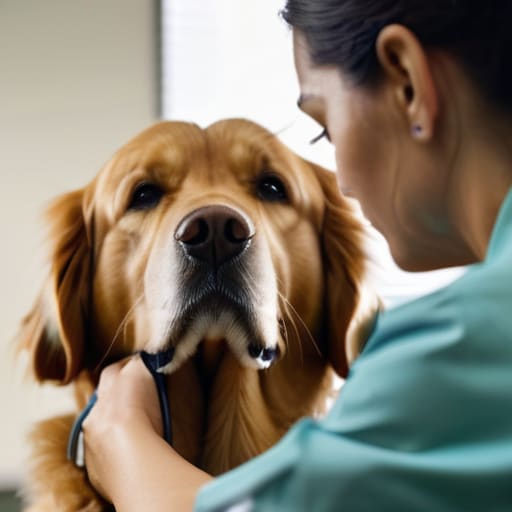
When things go sideways—and in my thirty years, they always do—you don’t need a technician who treats you like a nuisance or a vet who hides behind medical jargon. Real vet communication skills are tested when your dog is panting heavily on the floor or your cat has stopped eating entirely. A good vet doesn’t just bark orders; they explain the why behind the urgency. They should be able to look you in the eye and say, “This looks like a simple GI upset, but if you see blood, call us immediately,” versus, “This is a potential obstruction, and we need to move now.”
You also need to know exactly where you stand regarding veterinary service costs before the adrenaline wears off. I’ve seen too many people freeze up during a crisis because they’re terrified of the bill, and that hesitation is what kills animals. A clinic that respects you will provide a rough estimate for stabilization and give you clear options for treatment tiers. If they can’t give you a straight answer about what a procedure might cost while they’re also managing a clinical emergency, they aren’t prepared to partner with you in your pet’s care.
The Real Litmus Tests: What to Watch for Before You’re in the Exam Room
- Ask about their technician-to-doctor ratio. If you walk in and see one overworked tech trying to manage three different rooms while the vet is stuck in surgery, you aren’t going to get much attention. You want a clinic where the staff has enough breathing room to actually notice if your dog’s breathing pattern changes while you’re talking about his diet.
- Demand a clear breakdown of “Estimate vs. Reality.” A good vet won’t be offended if you ask, “If we find something during this bloodwork, what is the realistic price range for the next step?” If they get defensive or vague, walk away. You need a partner who understands that a surprise $800 bill is exactly what causes people to hesitate when an animal is actually in trouble.
- Check their approach to “Diagnostic Stewardship.” I don’t mean they should be cheap, I mean they shouldn’t be reckless. Ask them how they decide when a symptom requires an immediate ultrasound versus when we can monitor it for 48 hours. You want a vet who treats your wallet with the same respect they treat the animal’s biology.
- Look for a clinic that respects the “Continuity of Care.” If every time you go in, you feel like you’re starting from zero with a different person who hasn’t read your pet’s chart, that’s a red flag. I spent thirty years seeing how much faster we caught things when the same technician knew exactly how a specific cat’s gait looked on a good day versus a bad one.
- Observe how they handle the “Small Stuff.” Watch how they treat the person walking a nervous rescue dog through the lobby or the client asking a “stupid” question about flea prevention. If they are dismissive of the minor inconveniences, they will be absolutely ruthless when things get complicated and emotional.
The Bottom Line: What You’re Actually Looking For
Stop looking for a clinic that makes you feel “pampered” and start looking for one that makes you feel informed; you want a team that talks to you in plain English about risks and costs, not a receptionist who smiles while the vet hides the truth about a prognosis.
Prioritize transparency over everything else—a good vet will give you a ballpark figure for an emergency workup before you’re mid-crisis, because knowing whether you’re looking at a $200 diagnostic or a $2,000 stabilization is the only way you can make a rational decision for your pet.
Judge a clinic by how they handle the “gray areas,” meaning they should be able to tell you clearly when a symptom is a “wait and see until Monday” situation versus a “get in the car right now” emergency, without making you feel guilty for either.
The Real Litmus Test
A good vet isn’t the one who promises you everything will be fine; it’s the one who sits down, looks you in the eye, and tells you exactly what the worst-case scenario looks like and what it’s going to cost you to fight it.
Marlene Ostrowski
The Bottom Line
At the end of the day, finding a vet isn’t about finding someone who treats you like royalty or has a lobby that smells like lavender. It’s about finding the person who is going to look you in the eye when the news is bad and tell you exactly what the options are without sugarcoating the bill. You need a clinic that values clinical competence over fancy marketing and a staff that understands that a panicked owner needs clear instructions, not a lecture. Look for the team that can explain a diagnosis in plain English, respects your budget when possible, but never compromises on the medical integrity required to actually save a life.
I’ve spent three decades watching people walk through those clinic doors, and I can tell you this: the relationship you build with your veterinarian is the most important safety net your pet will ever have. It isn’t always a perfect partnership, and there will be days when you disagree on a treatment plan or a diet, but you want a vet who stands in your corner. Choose the professional who treats your animal with the same unflinching respect they would give their own. Because when that midnight emergency call finally comes, you won’t be looking for a Google search result—you’ll be looking for the person you know is actually going to show up and do the work.
Frequently Asked Questions
How much should I realistically expect to pay for a standard wellness exam versus an emergency visit if I'm on a tight budget?
Look, let’s be blunt: a standard wellness exam usually runs you between $50 and $90, depending on your zip code. That’s the “easy” part. But if you’re walking into an ER at 2:00 AM because your dog ate something he shouldn’t have, don’t expect a bargain. You’re looking at a $150 to $250 exam fee just to get through the door, and that doesn’t even include the diagnostics. Plan for the emergency to cost triple the routine stuff.
What are the red flags that a vet is just trying to upsell me on unnecessary diagnostics or supplements?
If they can’t explain the why behind a test, walk out. A good vet tells you, “We need a chemistry panel because his kidney values might be trending up,” not, “He just needs this wellness screen to be safe.” Watch out for the “miracle” supplement pitch, too. If they’re pushing a proprietary brand of vitamins before they’ve even finished the physical exam, they aren’t practicing medicine; they’re running a retail shop.
If my vet is great with my dog but clearly hates my cat, is that a dealbreaker or can I make it work?
It’s a red flag, but not necessarily a dealbreaker—provided it’s a matter of “difficult patient” and not “lack of skill.” Some vets are amazing with a goofy Golden but lose their patience with a spicy Siamese. If they’re just being rushed or blunt, you can work with that. But if they’re being careless or dismissive of your cat’s pain because they find them “difficult,” get out. Your cat doesn’t care how much they like your dog.