I remember a Tuesday night about ten years ago, standing in a dimly lit exam room with a woman who was shaking so hard she could barely hold her cat’s carrier. She had spent three hours scrolling through a pet forum, convinced her tabby’s lethargy was just “old age” because some guy with a cartoon avatar told her so. She didn’t realize that when she finally lifted that cat’s lip, the gums weren’t just pale—they were white. If she had known exactly how to check a pet’s gums and hydration with any degree of clinical accuracy, she wouldn’t have waited until the animal was in hypovolemic shock. I’ve spent thirty years seeing that exact same look of “I thought it could wait” on owners’ faces, and frankly, it’s the most expensive mistake you can make.
I’m not here to sell you a fancy diagnostic kit or some holistic wellness supplement that costs fifty dollars a bottle. I am going to teach you the practical, hands-on reality of what you need to look for when you’re standing in your kitchen at 2:00 AM. I’ll show you how to feel for capillary refill time and how to use a simple skin tent test to see if your dog is actually dehydrated or just thirsty. I will tell you exactly which color changes mean you can sleep through the night and which ones mean you need to grab your keys and drive to the ER immediately.
Table of Contents
- Checking Mucous Membrane Moisture the Color of Real Trouble
- A Pet Oral Health Inspection Guide for the Unfiltered Truth
- Five Things I Wish Every Owner Knew Before the Crisis Hits
- The Bottom Line: When to Act
- The Difference Between a Concern and a Crisis
- The Bottom Line: Trust Your Hands, Not Your Fear
- Frequently Asked Questions
Checking Mucous Membrane Moisture the Color of Real Trouble
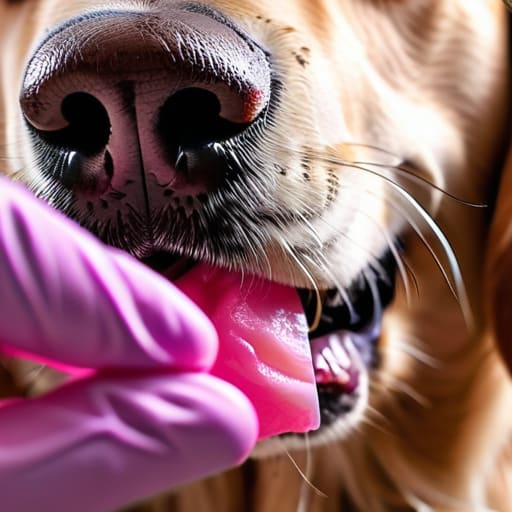
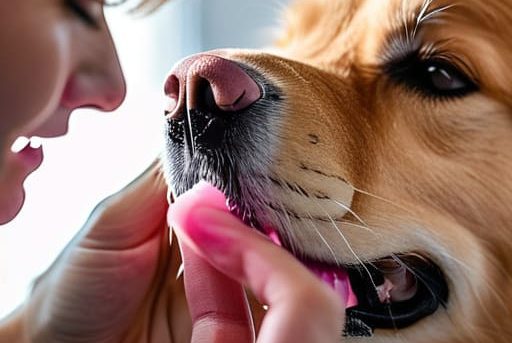
When I was working the floor, I didn’t care how much a client insisted their dog was “just tired.” I cared about the color of the gums. If you are checking mucous membrane moisture, you aren’t just looking for wetness; you are looking for perfusion. Healthy gums should be a consistent, bubblegum pink. If they look pale, like they’ve lost all their color, or if they have a muddy, grayish tint, that is a massive red flag. Gray or blue-ish tones are often the first signs of shock in pets, meaning their tissues aren’t getting enough oxygen. If you see that, you don’t call the clinic to leave a message; you grab the keys and head to the ER.
I also want you to look at the texture. If you run your finger along the gum line and it feels tacky or sticky—like it’s clinging to your skin—that pet is dehydrated. A healthy mouth should be slippery and slick. If it feels like sandpaper, they are losing the battle with fluid loss, and at that point, a bowl of water in the kitchen isn’t going to fix the underlying crisis.
A Pet Oral Health Inspection Guide for the Unfiltered Truth
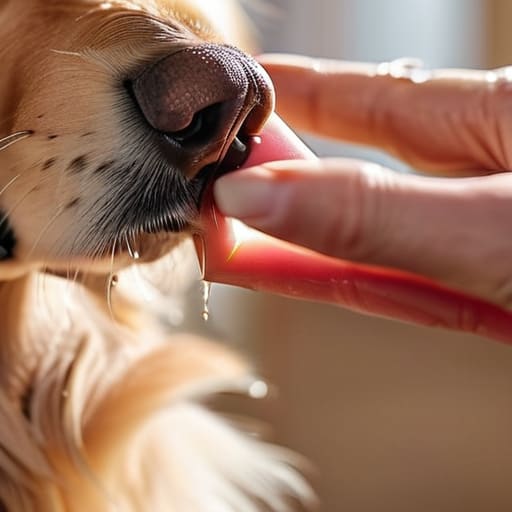
Once you’ve looked at the color, you need to feel the texture. This is a core part of any pet oral health inspection guide, and it’s often more telling than the color itself. Take your index finger and rub it firmly against their gums. They should feel slick, like the inside of your own cheek. If they feel tacky, sticky, or like sandpaper, you’re looking at a problem. In my experience, even a slight “stickiness” is a red flag. Don’t just assume they need a water bowl; if the gums aren’t wet, they aren’t absorbing enough moisture to function, and that’s when we start seeing real pet dehydration symptoms in dogs and cats.
Next, we check the skin. This is essentially a simplified version of the veterinary hydration assessment techniques we used in the clinic. Find a loose fold of skin on the back of their neck or between their shoulder blades. Gently pinch it up and let go. In a hydrated animal, that skin should snap back into place instantly. If it stays in a “tent” shape or migrates back slowly, they are significantly dehydrated. If that skin doesn’t move and their gums are pale, stop reading this and start your car.
Five Things I Wish Every Owner Knew Before the Crisis Hits
- Stop looking for “pink” and start looking for “wet.” If you run your finger along their gums and they feel tacky, sticky, or like sandpaper, they are dehydrated. I don’t care if they’re acting fine; if those membranes aren’t slick, they’re losing fluids.
- Learn the “Skin Tent” test, but do it right. Grab a small fold of skin on the side of their neck—not the scruff, the side—and let go. If it snaps back instantly, they’re okay. If it stays in a little tent or moves back slowly like memory foam, you aren’t waiting for a phone call on Monday; you’re heading to the clinic.
- Keep a mental baseline for their “normal.” Every dog and cat has a slightly different shade of pink. If your 10kg terrier usually has bright coral gums and today they look like a faded carnation, that’s a change. In my experience, “different” is usually the first sign of something serious like anemia or internal bleeding.
- Don’t mistake a “dry mouth” for just being thirsty. If they are drinking water like it’s their job but their gums still feel dry, that’s a red flag for kidney issues or diabetes. It means they’re losing what they take in, and that’s a math problem that ends at the emergency vet.
- Check the capillary refill time (CRT) with a stopwatch or a steady count. Press your finger against the gum until it turns white, then let go. It should turn pink again in under two seconds. If it takes three or four, their circulation is struggling, and that’s a “get in the car now” situation, not a “wait and see” situation.
The Bottom Line: When to Act
If the gums are pale, white, or blue, stop reading this and get in the car; that’s a circulatory emergency, not a “wait and see” situation.
Use the “tacky test” on the gums—if they feel like tape rather than wet velvet, your pet is dehydrated and likely needs subcutaneous or IV fluids, which can run anywhere from $150 to $500 depending on the clinic.
Don’t mistake a slow recovery for health; if you’re seeing a pattern of dehydration or color changes, even if it’s mild, call your vet today instead of waiting for a weekend when the emergency fees will double.
The Difference Between a Concern and a Crisis
“I’ve spent thirty years watching people stare at their dog’s gums, hoping they’re just ‘a little pale’ because they aren’t ready for the bill or the bad news. But here is the reality: if those gums are tacky like a piece of old leather instead of slick and wet, or if they’ve turned the color of a white sheet, you aren’t looking at a ‘wait and see’ situation—you’re looking at an emergency that won’t wait for your bank account to catch up.”
Marlene Ostrowski
The Bottom Line: Trust Your Hands, Not Your Fear
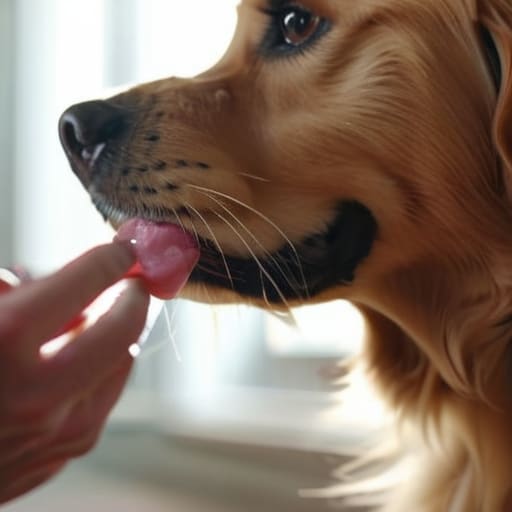
At the end of the day, checking gums and skin tenting isn’t about becoming a doctor; it’s about becoming a reliable witness for your pet. You need to know the difference between a slightly tacky mouth because they haven’t had water in an hour and the deathly pale, clammy gums that signal internal bleeding or shock. If you find yourself staring at a pet whose gums are gray, blue, or bone-white, stop searching for a forum thread and start your car. Whether it’s a simple case of mild dehydration or a life-threatening crisis, the data you gather in these few seconds—the color, the moisture, the capillary refill time—is the most valuable thing you can hand to a vet when you walk through those clinic doors.
I know that the fear of a massive vet bill or a midnight ER visit is enough to make anyone want to look the other way. I’ve sat in those waiting rooms and seen the look of pure, paralyzing regret on owners’ faces when they realize they waited one day too long. But please, remember that being a good pet parent doesn’t mean you have to be perfect; it means you have to be observant. You are the only person who knows their “normal,” and that knowledge is their greatest defense. Trust your gut, act on the clinical signs you see, and remember that an ounce of proactive care is worth more than a pound of expensive, desperate regret.
Frequently Asked Questions
My dog's gums are a little bit of a weird shade of pink, but he seems fine—should I be worried or just wait for his next checkup?
“A little bit of a weird shade” is exactly how people end up in my triage area at 2:00 AM. If those gums are pale, grayish, or even a muddy purple instead of a healthy, bubblegum pink, stop reading this and call an emergency vet. If he’s acting normal but the color is off, it could be anything from anemia to poor circulation. Don’t gamble on a Monday appointment; if the color is wrong, the clock is ticking.
I can't tell if his gums feel tacky or just naturally dry; is there a better way to check for dehydration if I'm not sure?
If you’re second-guessing the “tacky” feel, stop touching his mouth and check his skin elasticity instead. Pinch the skin between his shoulder blades—the scruff—and pull it up firmly. In a hydrated dog, it should snap back instantly. If it stays in a tent shape or drifts back slowly, he’s dehydrated. It’s a more reliable metric than finger-feel. If that skin is slow to move, stop reading this and call the vet.
If I realize my cat is dehydrated during a home check, what is the actual cost of an IV fluid session at the emergency clinic versus a regular vet visit?
If you realize they’re dehydrated, don’t panic, but don’t wait. A regular vet visit for subcutaneous fluids—the kind they just slip under the skin—might run you $150 to $300 depending on the volume. But if it’s an emergency clinic and they need a full IV catheter and intravenous fluids, you’re looking at $500 to $800 minimum once you factor in the exam fee and the nursing care. It’s a steep jump, but it’s the difference between a quick fix and a crisis.