
I’ve spent thirty years watching people panic in vet clinic hallways, often because they followed some “natural remedy” they read on a Facebook group instead of doing what actually works. I once saw an owner try to douse a panting Golden Retriever in a bucket of ice water, thinking they were helping, when they were actually just sending the poor dog into vasoconstriction shock. If you are looking for a miracle cure or a way to avoid the vet bill, you’re in the wrong place; if you want to know how to handle heat stroke before it turns into a multi-organ failure, then listen up.
I’m not here to sugarcoat the reality of an emergency. I am going to tell you exactly which symptoms mean you can manage things with a cool towel at home and which ones mean you need to grab your keys and drive to the ER immediately. I’ll give you the real-world breakdown of what to expect, what it might cost you, and the clinical signs that separate a mild overheat from a life-threatening crisis. No fluff, no nonsense—just the truth you need when your dog’s life is on the line.
Table of Contents
Signs of Severe Dehydration That You Cant Ignore

When I was working in the clinic, I saw too many owners who thought their dog was just “tired” from the heat, only to realize too late that the animal was already crashing. You need to look past the panting. One of the most reliable signs of severe dehydration is the skin tent test. If you gently pinch the skin between your dog’s shoulder blades and it stays up in a little ridge instead of snapping back instantly, they are in trouble. If you try to lift their gums and they feel tacky or dry rather than slippery and wet, you aren’t looking at a simple case of thirst anymore; you are looking at a systemic failure.
At this stage, you are often navigating the blurry line between heat exhaustion vs heat stroke symptoms. If your pet is lethargic, has sunken eyes, or is stumbling like they’ve had too many treats, their internal organs are already struggling to compensate for the fluid loss. This isn’t something you can fix with a bowl of water and a nap in the shade. Once they hit this level of dehydration, they need IV fluids—fast—because their blood is getting too thick to circulate properly.
When a Twitch Becomes a Life Threatening Emergency
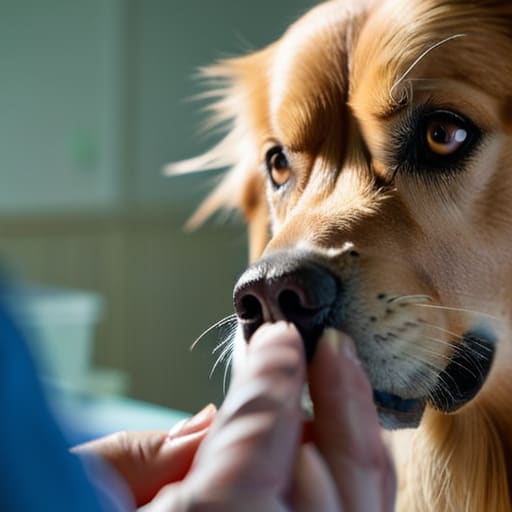
There is a specific kind of silence that happens in an exam room when a dog stops panting and starts seizing. It’s terrifying, but you have to stay steady. When you’re trying to distinguish between heat exhaustion vs heat stroke symptoms, the twitching is often the line in the sand. If your dog is just panting heavily and acting lethargic, you have a window to act. But the moment those muscles start firing uncontrollably or they lose consciousness, their brain is essentially cooking. This isn’t a “wait and see” situation; it is an immediate neurological crisis.
At this stage, your goal isn’t to fix them—it’s to stop the damage. You need to employ rapid cooling techniques for hyperthermia immediately, like using lukewarm (never ice-cold) water on their belly and paws, but you cannot skip the drive to the clinic. I’ve seen owners try to “ride it out” with a wet towel, only to arrive at the ER with a dog whose organs are already failing. If the twitching starts, the clock has already run out. Get in the car.
What to Actually Do While You're Racing to the ER
- Stop trying to use ice water. I know it feels intuitive, but plunging a heat-stroked dog into an ice bath can cause their blood vessels to constrict, which actually traps the heat deep in their core. Use room temperature or lukewarm water. You want to cool them down gradually, not shock their system into a cardiac event.
- Focus on the high-traffic areas. If you have a garden hose or some wet towels, aim for the armpits, the groin, and the undersides of the legs. That’s where the major blood vessels are closest to the skin. It’s more efficient than just soaking their back and hoping for the best.
- Keep a fan running on them while they are wet. You’re trying to mimic evaporation, which is the body’s natural cooling mechanism. If you just pour water on them and let them sit in a stagnant room, you’re just making a warm, wet dog.
- Don’t force-feed water if they are semi-conscious. If your dog is lethargic or stumbling, do not try to shove a bowl under their nose or use a syringe. They can easily aspirate that liquid into their lungs, and then you aren’t dealing with heat stroke anymore—you’re dealing with aspiration pneumonia on top of it.
- Call the vet while you’re in the car. Don’t wait until you pull into the parking lot to tell them what’s happening. Tell them the dog’s approximate weight (if you know it, give it to me in kilograms—say, 25kg instead of 55lbs) and their current mental state. It gives them five minutes to get the oxygen and IV fluids ready so they aren’t wasting time when you walk through the door.
The Bottom Line: When to Move and When to Wait
If your pet’s gums are tacky, their skin doesn’t snap back when you pinch it, or they are acting lethargic, you are looking at dehydration that needs fluids—don’t try to fix this with a bowl of water and a prayer.
Heat stroke isn’t a “wait and see” situation; if they are panting uncontrollably, stumbling, or vomiting, you aren’t just dealing with a warm dog, you are dealing with organ failure in progress.
Expect an ER bill between $500 and $1,500 for an emergency heat stroke stabilization—it’s a hard number to hear, but knowing the cost upfront is better than being blindsided while your pet is fighting for their life.
## The Window of Opportunity
“When you see a dog panting uncontrollably with bright red gums, you aren’t looking at a pet that needs a cool bath and a nap; you’re looking at a physiological meltdown. You have about twenty minutes to get them into a car and toward an emergency clinic before their organs start cooking from the inside out, and by then, you’re not just paying for a check-up—you’re paying for the intensive care required to keep them alive.”
Marlene Ostrowski
The Bottom Line

At the end of the day, heat stroke isn’t something you can “wait and see” with. If you’re seeing those dark red gums, heavy panting that won’t stop, or that terrifying lethargy where they won’t even lift their head, you aren’t looking at a minor overheat—you’re looking at a systemic crisis. I’ve seen too many owners try to cool a dog down with a lukewarm bath and hope for the best, only to realize too late that the internal organs are already cooking. Remember: cool them down externally with lukewarm water and get in the car, but never skip the emergency vet visit afterward. Even if they seem to perk up in the AC, the damage to their kidneys and blood can be silent and devastatingly fast.
I know the panic that sets in when you see your best friend struggling to breathe, and I know the weight of the vet bill that follows. But I have spent three decades watching the difference between a pet that made it and a pet that didn’t, and that difference is almost always decisive action. You are their only advocate, their only voice, and their only line of defense when their body starts to fail them. Trust your gut, watch the numbers, and don’t let pride or hesitation stand in the way of getting them the help they need. You can recover from a stressful night and a heavy bill, but you can’t recover from a missed window.
Frequently Asked Questions
If I've already cooled my dog down with water, can I wait until the morning to call the vet, or is there still hidden damage I need to worry about?
No, you don’t wait. Cooling them down with water stops the immediate spike, but it doesn’t fix what’s happening inside. Heat stroke causes systemic inflammation and can trigger organ failure—kidneys, liver, even the brain—that doesn’t show up until hours later. Think of it like a house fire: you can put out the flames, but the electrical wiring might still be melting behind the walls. Get them to an ER for bloodwork tonight.
Is it actually safe to use ice water to cool them down quickly, or am I going to cause them more shock?
No, don’t grab the ice water. I’ve seen too many people try to “flash-freeze” a dog only to end up with a patient in systemic shock or even worse, peripheral vasoconstriction. If you constrict those blood vessels with ice, you’re actually trapping the heat in their core. Use lukewarm or room-temperature water and a fan. You want to move heat, not shock the system. Get them to the clinic; they’ll need IV fluids anyway.
How much is an emergency visit for heat stroke actually going to run me once they start the IV fluids and monitoring?
Look, I’m not going to sugarcoat the bill. Once they’ve stabilized the airway and started IV fluids, you aren’t just paying for the saline; you’re paying for the constant monitoring. Expect the exam fee to be $150–$250, and then once the IV fluids, bloodwork to check kidney function, and continuous vitals start, you’re looking at $500 to $1,500 minimum. If they need intensive care overnight, that number climbs fast. Plan for the high end.